
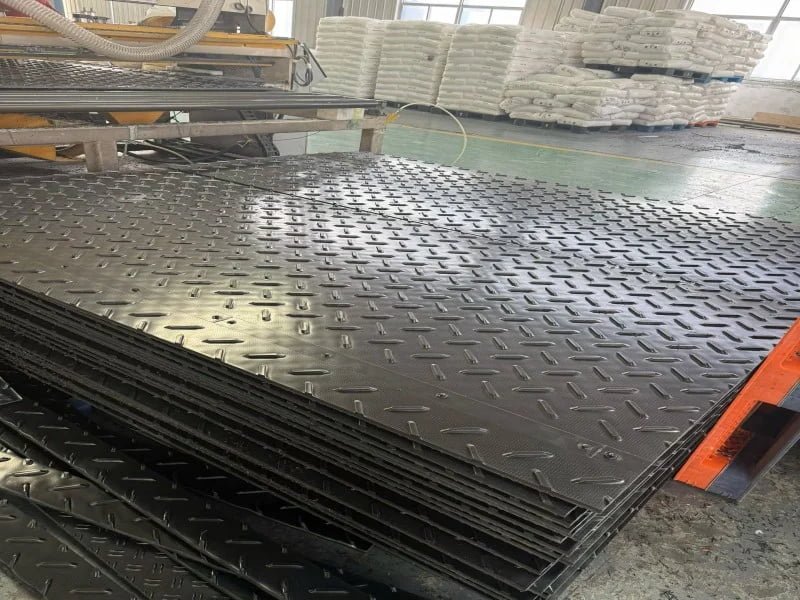
Preparing for Monsoon Access: BKM UHMWPE Mats for an Indian Construction Contractor
Project Overview
The customer’s concern was not the road in dry weather. It was keeping a usable access route when seasonal rain arrived.
They were handling construction deliveries in India, with loaded vehicles moving between the site entrance and active work areas.
An unpaved section made access planning more difficult. The customer needed a temporary route without committing to permanent paving.
India’s monsoon conditions made the timing of the work important, but the actual ground still needed its own assessment.
When they contacted BKM, they wanted more than a generic answer about how many tons a mat could carry.
We focused the discussion on the loaded vehicles, supporting ground, route layout, and repeated use.
The Customer’s Priorities
- Plan the access route around loaded construction traffic.
- Use connected panels with a defined handling method.
Keep the system removable for later phases or other projects.
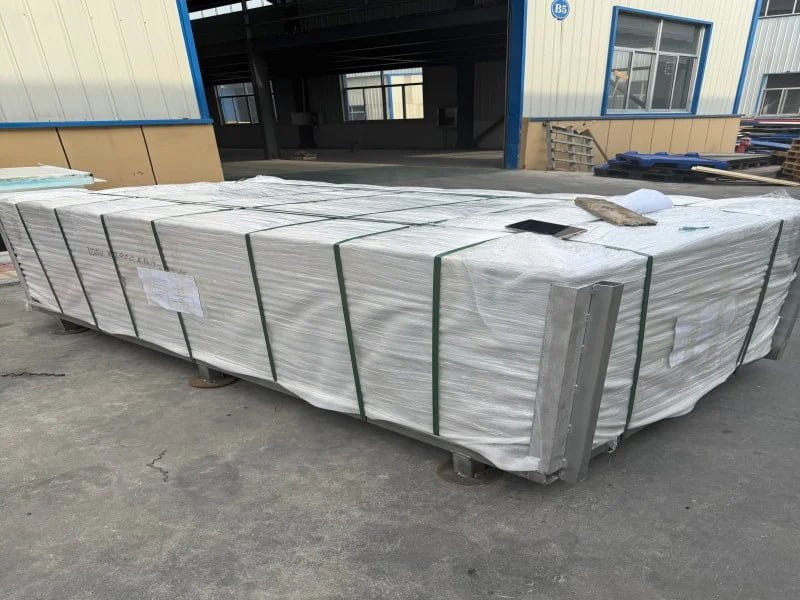
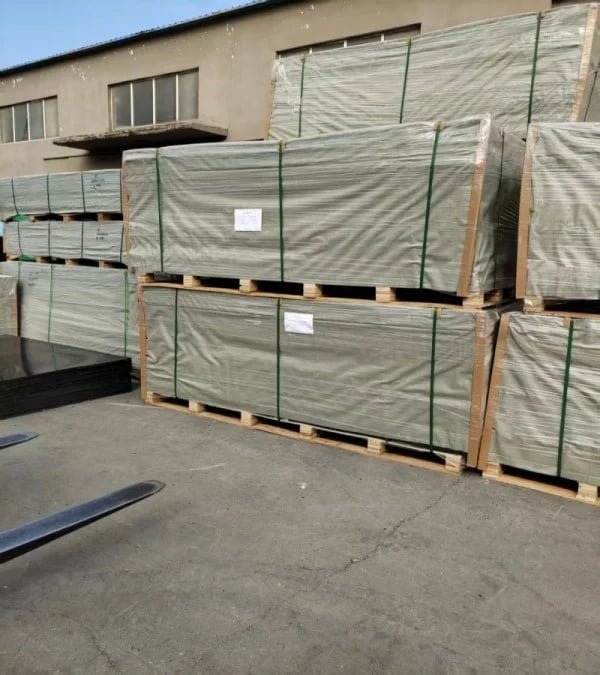
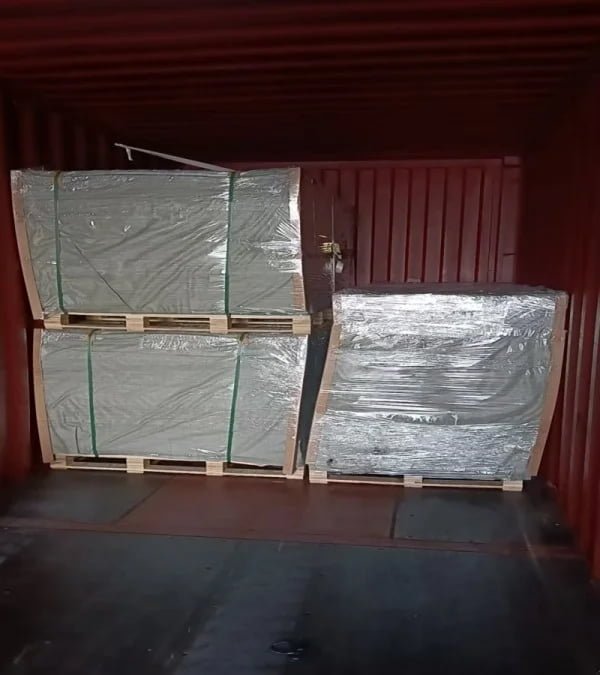
Project Gallery

Our Solution
What We Recommended
| Product detail | Specification |
| Material | UHMWPE |
| Panel size | 2500 × 3000 mm |
| Nominal thickness | 38 mm |
| Nominal panel footprint | 7.5 m² |
| Connections | Heavy-duty connectors matched to the panel design |
| Handling | Mechanical handling with suitable equipment |
We selected a heavy-duty format for review rather than starting with a small landscaping panel.
The decision combined repeated traffic, wear, connections, and handling. Thickness alone did not define the access system.
Why We Looked Beyond Total Vehicle Weight
Two vehicles with similar total weights can present different wheel loads and contact conditions.
We therefore asked about loaded weight, axle arrangement, tires or tracks, and the frequency of movement.
We also separated straight travel from turning and unloading areas when discussing the route.
The UHMWPE material choice addressed wear and impact requirements. It did not remove the need for suitable ground support.
We kept drainage and ground preparation in the discussion instead of presenting the mat as a cure for every soft spot.
Unsupported trench crossings remained outside the access-road scope.
How We Turned the Requirement into an Order
Our team worked through the dimensions, connector layout, surface detail, and handling requirements with the customer.
We explained how the route drawing, not simply the total area, determines the panel and connector quantities.
Before production, we distinguished the specified panel thickness from the overall height with raised surface texture.
Our order follow-up covered the panel finish and connector fit, with photographs and progress information for the buyer.
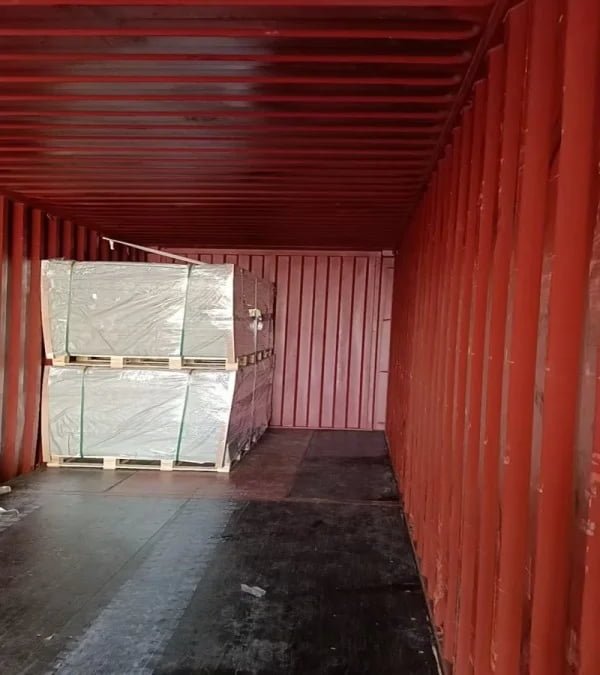
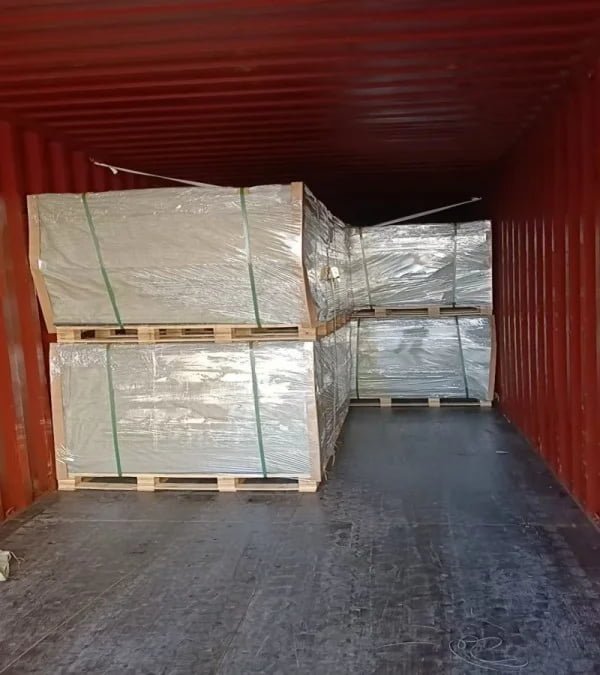
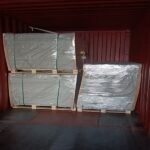
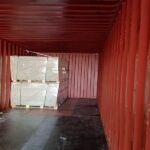
We also reviewed packing and unloading requirements. A heavy-duty mat is only useful when the site can receive and position it.
The agreed specification provided the reference for checking the order and discussing any later additions.
Customer Value and Takeaway
Our solution brought the vehicle requirement, mat selection, and handling plan into one purchasing discussion.
That was more useful than offering a large load number without explaining the conditions behind it.
For the customer, the value lay in a removable access system selected around the work rather than a permanently installed surface.
For other construction buyers, the same lesson applies: confirm the ground and traffic before comparing mat prices.
A product drawing, a connection plan, and an unloading arrangement belong in the specification—not as afterthoughts.
Review Your Construction Access Route
Share your loaded vehicle details, ground information, route dimensions, and site handling equipment. We will help you compare heavy-duty mat options.