
 English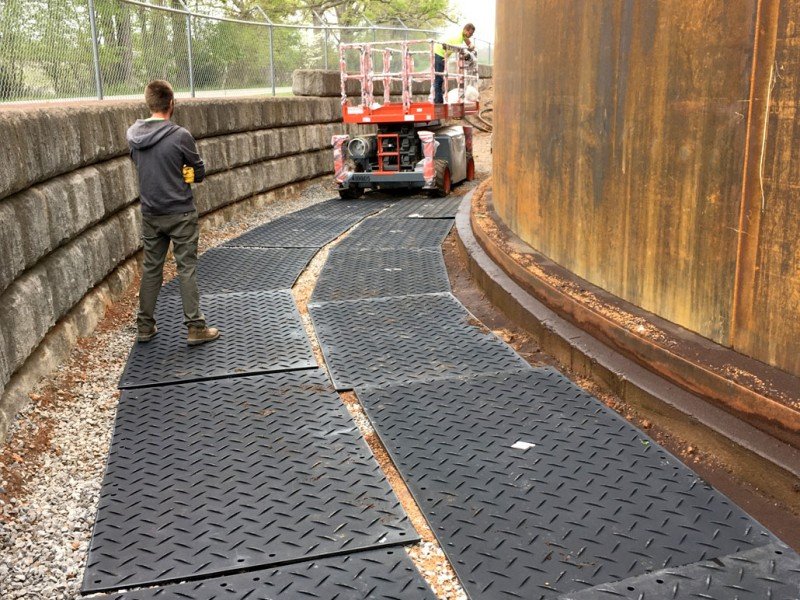
100 Mats First, Sold Out in One Month: How a North American Distributor Tested BKM HDPE Ground Protection Mats
Project Overview
The customer was a North American distributor selling construction and industrial supplies to contractors, landscapers, rental companies, and temporary access users. Ground protection mats were a new product line for him. He did not want to start with a full container before testing the market.
His main concerns were:
* Which size would be easier to sell?
* How many mats should he buy first?
* Could future batches match the first batch?
* Would one mat work for several customer groups?
For a distributor, the biggest risk was not only product quality. It was inventory. If the size was wrong or the mat was too specialized, the stock could stay in the warehouse. If future batches were different, repeat customers might not be able to connect new mats with the old ones.
Project Gallery
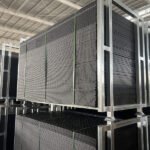
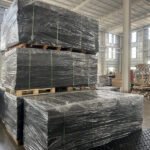
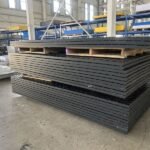
Our Solution
BKM recommended a standard HDPE ground protection mat instead of a custom model.
First order specification:
* Quantity: 100 mats
* Material: HDPE
* Size: 4 ft × 8 ft / 1220 × 2440 mm
* Base thickness: 1/2 inch / 12.7 mm
* Thickness with two-sided texture: 22.7 mm
* Weight: about 41 kg per mat
* Effective area: 2.98 m² / about 32 sq.ft per mat
* Dynamic load: 20–30 tons
* Static load: 50 tons
* Surface: double-sided diamond tread
* Color: black
* Design: hand holes and connector holes
* Accessories: 2-way and 4-way connectors
We chose 4 ft × 8 ft because it is a familiar size in the North American market. Each mat covers about 32 sq.ft, so 100 mats give the distributor about 3,200 sq.ft of sellable coverage. That quantity was enough to serve several small contractors or rental customers, but still small enough to control first-order risk.
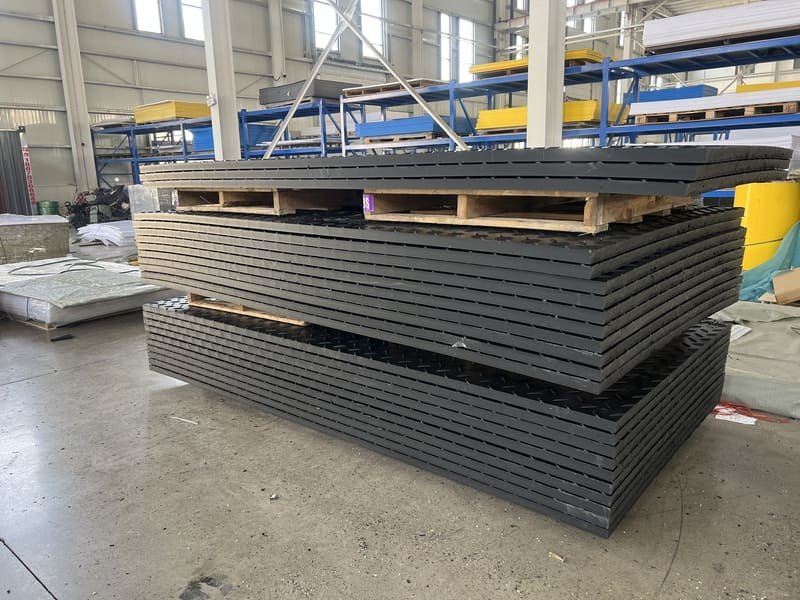
We chose the 1/2 inch base thickness with two-sided tread because it gave a good balance between load capacity, handling, and landed cost. At about 41 kg per mat, it was suitable for small vehicles and light equipment, while still being manageable for resale, storage, and local delivery. The double-sided diamond tread also made the product easier to sell across different uses: mud, grass, soft ground, temporary jobsite access, landscaping work, and event routes.
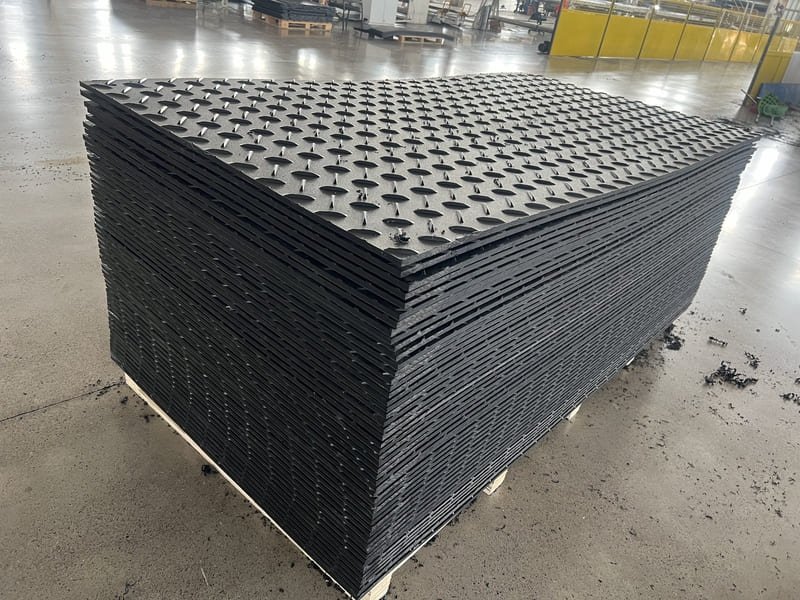
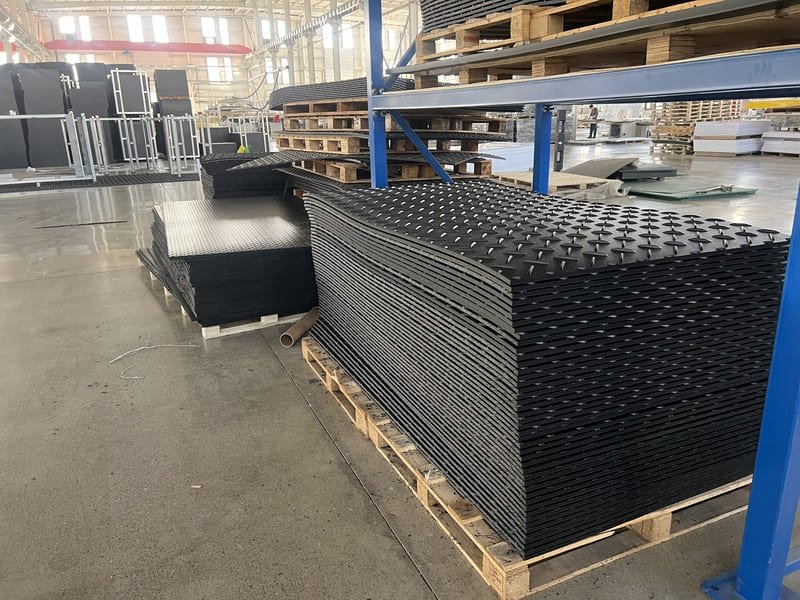
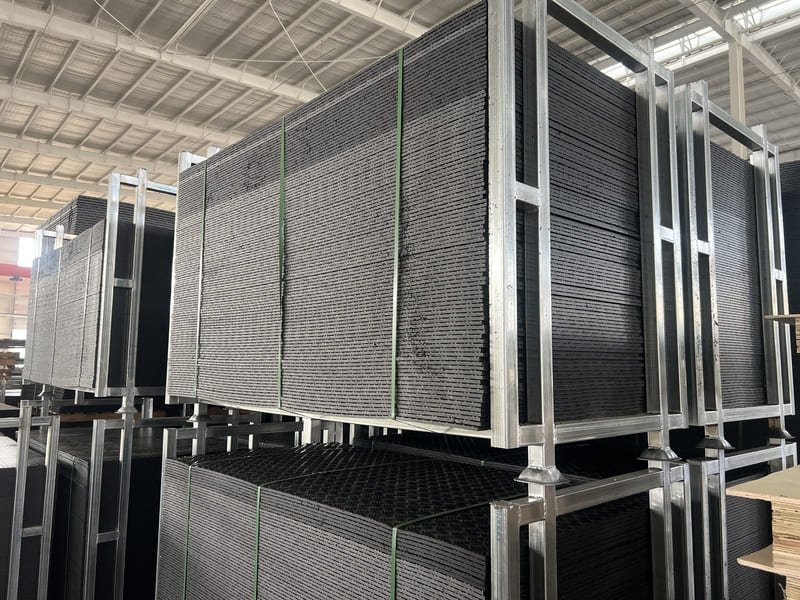
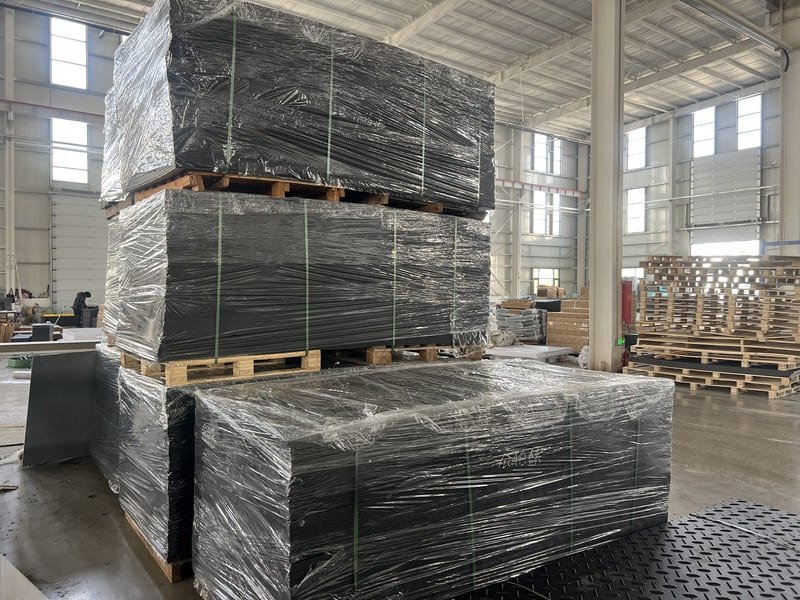
BKM also supplied connectors with the mats. This was important because many end users do not use the mats separately. They need to build a temporary road, a turning area, or a small working platform. During production, BKM provided product photos for checking the surface, holes, shape, and appearance. Before shipment, we provided packing and loading photos, so the customer could confirm the goods and prepare sales materials before arrival.
Result and Takeaway
After the mats arrived, the customer sold the first 100 pieces in about one month.
That gave him two useful answers.
First, the 4 ft × 8 ft, 1/2 inch black HDPE mat was a sellable core SKU in his market.
Second, 100 pieces was a practical first test quantity. It was not just a sample order, but it was not a full-container risk either. At about 3,200 sq.ft of total coverage, the first order gave him enough stock to test several customer types: contractors, landscapers, rental users, event suppliers, and temporary access buyers.
After the first batch sold out, the next decision became simple: reorder the same specification first, then consider adding more options later.
That is the useful point for new distributors.
Do not start by stocking too many sizes, colors, and custom designs. Start with one standard mat that already fits several local markets. Use the first batch to test sales speed, customer type, and local price acceptance. If it sells quickly, replenish the same SKU before expanding into logo marking, rack packaging, more thicknesses, or private-label options.