
 English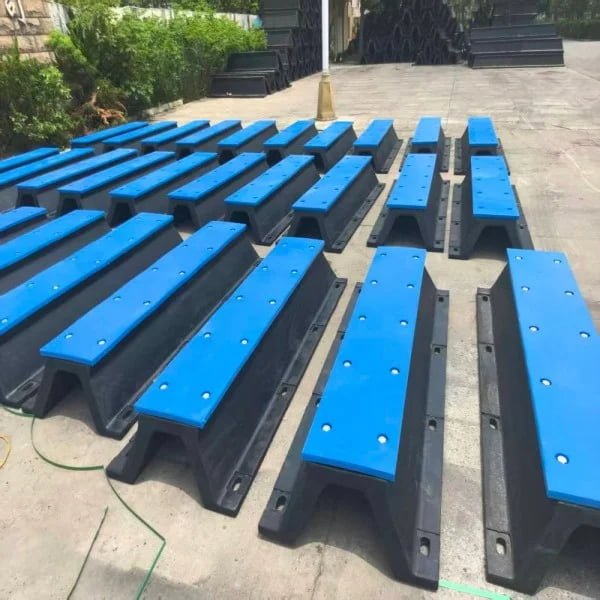
Marine Fender Face Pads
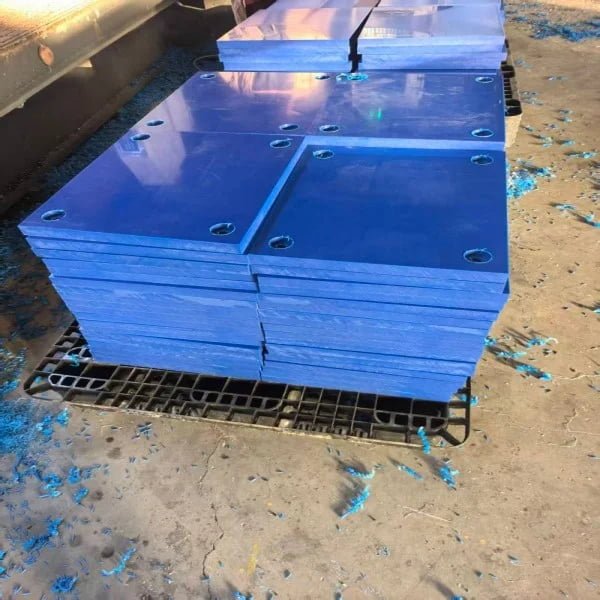
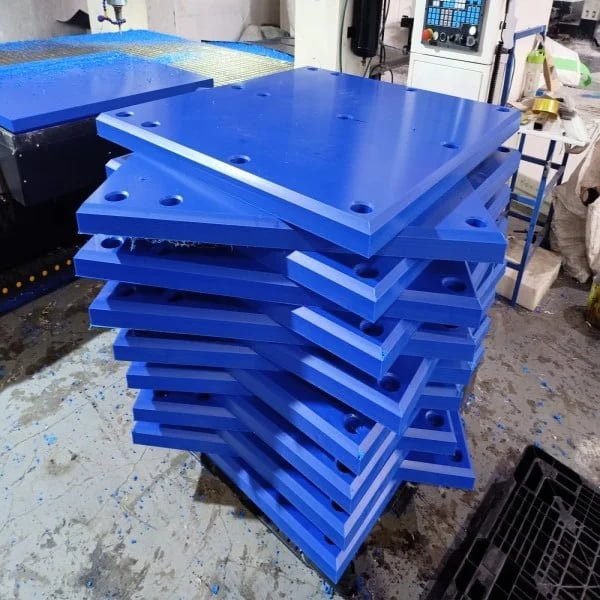
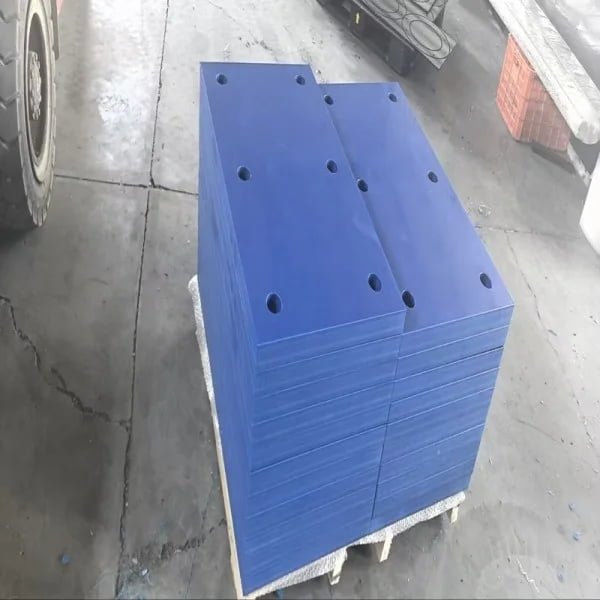
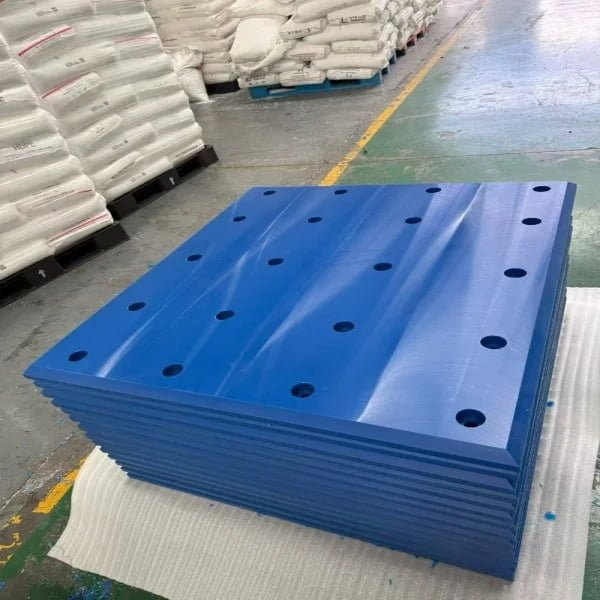
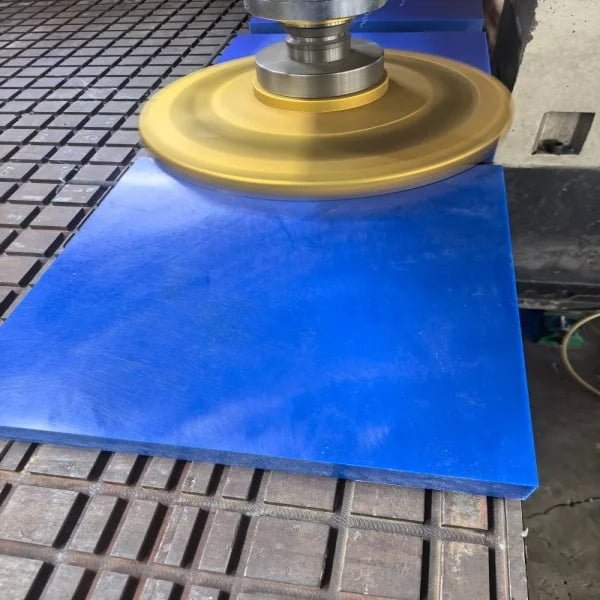
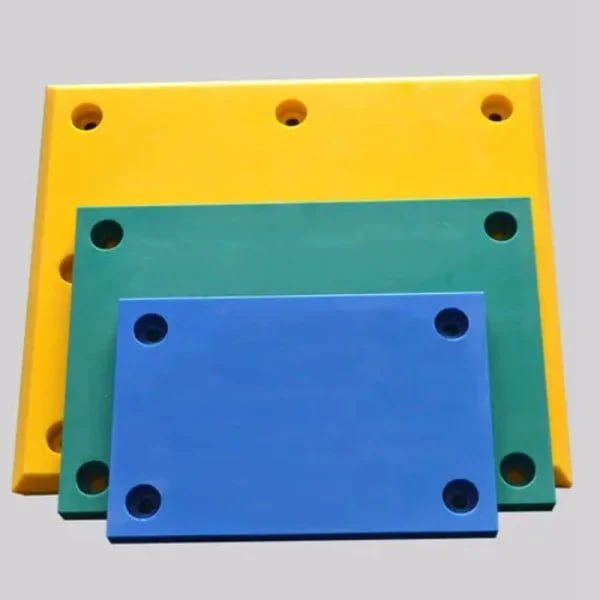
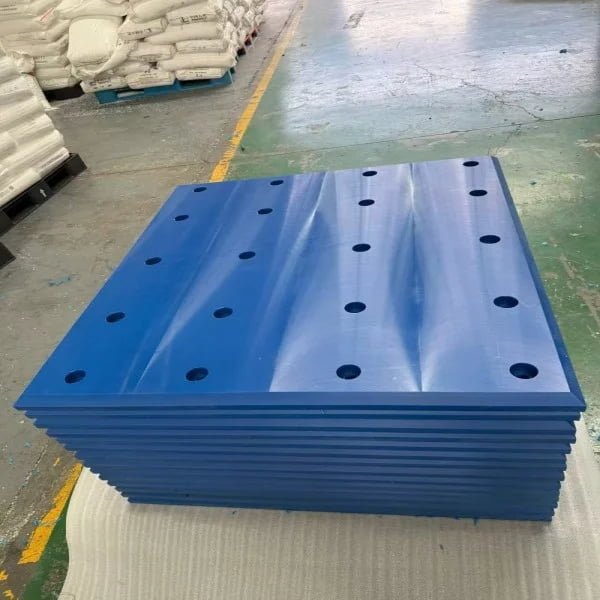
UHMWPE Marine Fender Face Pads for Low-Friction Berthing Protection
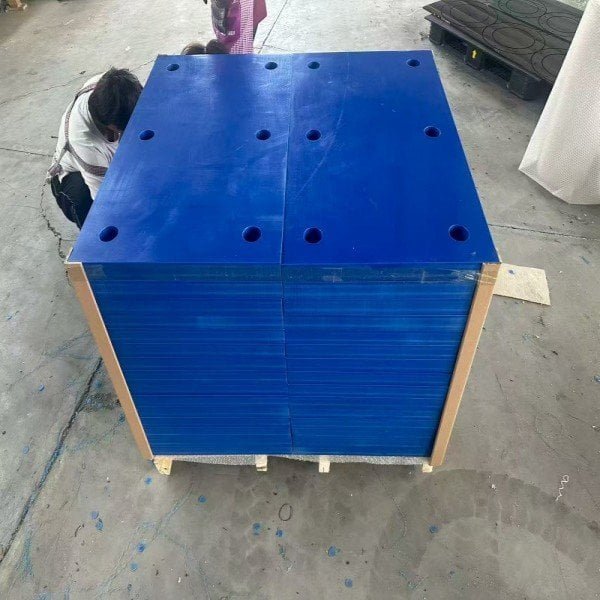
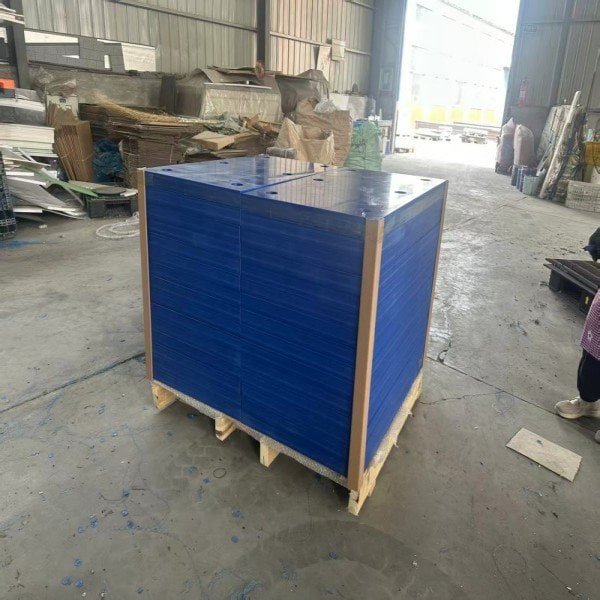
Marine fender face pads are wear surfaces installed on fender panels or frames to reduce hull friction, improve abrasion resistance, and protect both the berth structure and vessel during berthing. UHMWPE is the dominant material because of its low friction, high impact strength, and strong wear resistance in heavy-duty port applications. Custom thickness, size, color, and fixing layout are offered for project-based marine systems.
Product Specifications
Detailed technical specifications
Key Features & Advantages
- Low-friction surface to reduce hull resistance during berthing.
- High wear resistance for repeated vessel contact.
- High impact strength for demanding marine environments.
- UHMWPE for long service life.
- Custom thicknesses, colors, and plate sizes available.
- Suitable for fixed fenders, steel panels, and special fender structures.
- Helps extend maintenance intervals in fender systems.
Applications
- Fender panel and frame face pads for quay walls and berths.
- Arch fender systems.
- Sliding plates on steel fender panels.
- Ship-to-ship and dredger fenderrack systems.
- Workboat, tug, and barge berths.
- Bridge, lock, and wall protection systems.
Certified for Global Standards
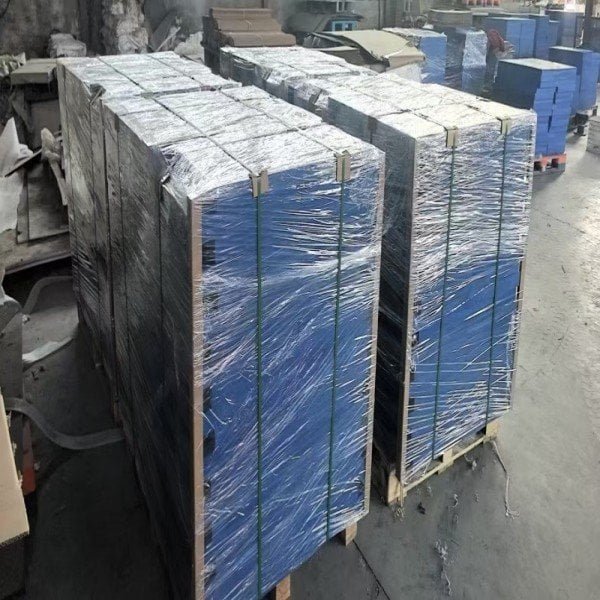
Each batch undergoes thorough inspection on the shop floor. Raw material is tested upon arrival, as well as finished parts upon completion. Anything failing to conform to specifications is not shipped out.
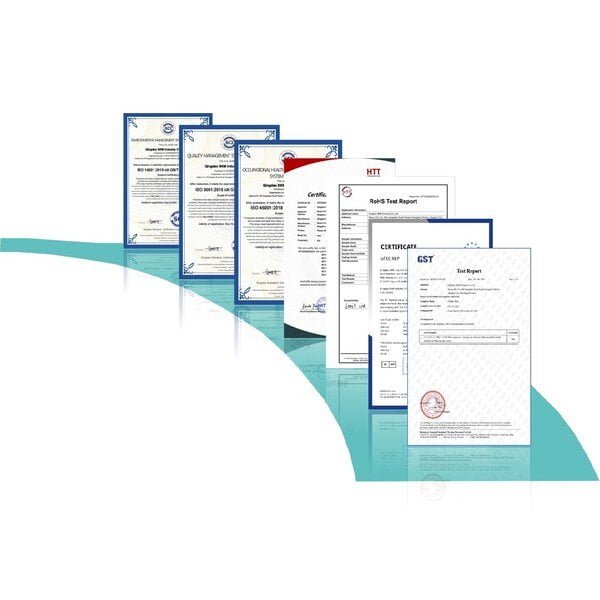
ISO 9001 Quality Management
ISO 9001:2015 certification requires written processes, production control measures, and traceability of the process from initial raw material to finished part. More critically, ISO helps us maintain tolerances across multiple batches, rather than just in theory.
Food-Grade FDA Compliance
In cases of applications involving food production, only selected types of HDPE and UHMWPE materials which conform to FDA food-grade standards are used. These grades are usually utilized in cutting surfaces, guides, and wear parts.
RoHS Compliant Manufacturing
Materials comply with RoHS environmental regulations in terms of substance content restrictions. This is ensured by monitoring the components of the material, rather than the finished part.
Traceable Material Test Reports (MTR)
Material test reports available upon request include mechanical properties such as tensile strength and impact value, as well as wear information and dimensional checks.
Application Areas
Our ground protection and engineering plastic solutions are trusted across a wide range of demanding industries and environments.
Frequently Asked Questions
UHMWPE. It offers low friction, high wear resistance, and strong impact performance. There are also bonded composite constructions that combine rubber with UHMWPE.
To reduce friction between the vessel hull and the fender surface while maintaining high abrasion resistance. UHMWPE pads are a way to improve service life and reduce maintenance frequency.
Yes. Thickness, plate size, color, and project-specific requirements are commonly customized. We also supply special fixing arrangements and removable panel designs.
No. They are also used on arch fenders, special fenderracks, bridge protection, lock protection, and workboat beltings. The exact configuration depends on the berth and vessel type.
Common heights are 24 inches and 42 inches. It depends on your needs and the height can be adjusted.
Between 2 mm and 200 mm for regenerated material, and 400 mm for virgin material. Actual usable thickness depends on the fender design and specification.
Yes. They are employed to minimize hull pressure, decrease friction, and provide a durable contact surface between the vessel and structure during berthing.
Send Us a Quick Inquiry
Get a response from our team within one business day.
Related Products
Customer Feedback
Very great quality, fast delivery and people easy communication. My customer and i like this new design. A trusted supplier!
Used them on a -15°F morning for a steel erection project. Still flexible and impact-resistant with no brittle fractures. Great cold-weather performance.
Ready to Order or Need a Custom Quote?
Our team is ready to help you with product selection, specifications, and custom manufacturing solutions.