
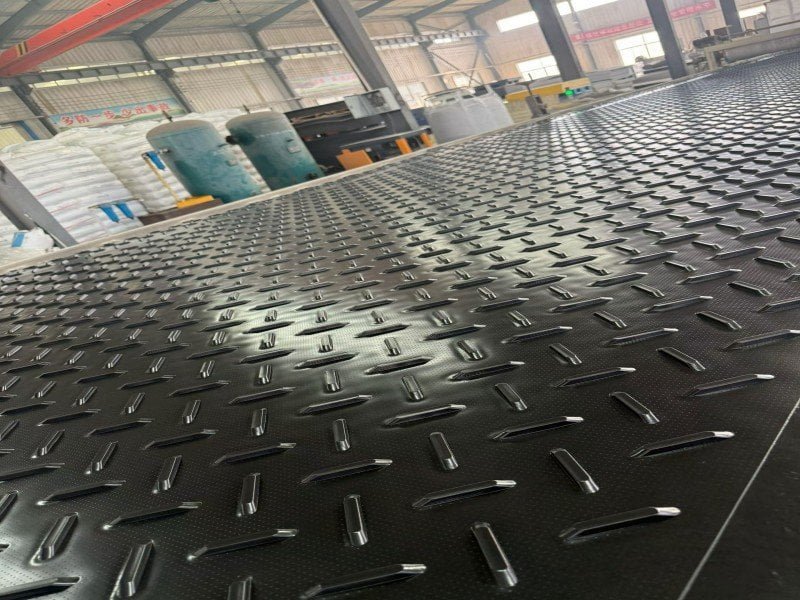
A Mat System That Moves with the Crew: BKM HDPE Mats for Utility Maintenance in the Philippines
Project Overview
The customer in the Philippines needed an access system their utility crew could take from one assignment to the next.
Their work involved temporary routes between established access points and maintenance areas.
Wet ground made planning more difficult, while limited transport and unloading resources made handling just as important.
The Philippines is affected by monsoon rainfall and tropical cyclones, although conditions differ across the islands.
The customer contacted BKM for reusable ground mats that could fit a mobile working routine.
We started with what the crew could transport and position, then checked that requirement against the equipment and ground.
The Customer’s Practical Requirements
- Carry the mat system within the available transport capacity.
- Use compatible panels and connectors that can be checked and recovered.
- Match the mat to approved maintenance traffic, not every possible utility operation.
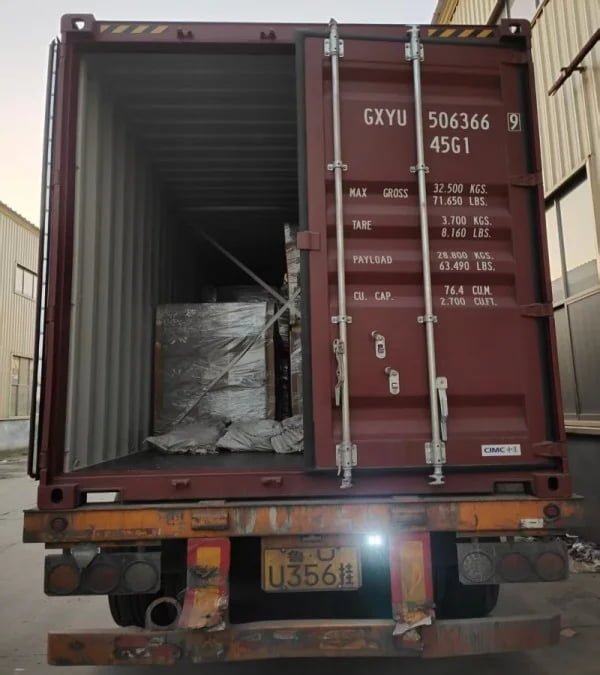
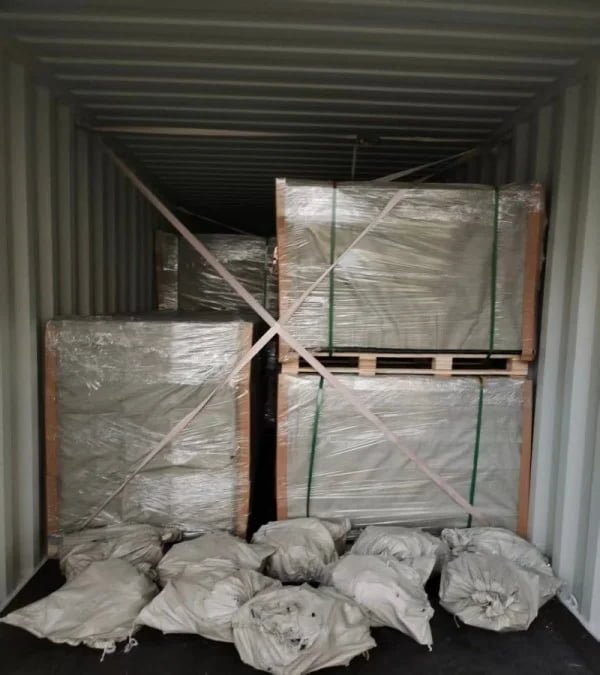
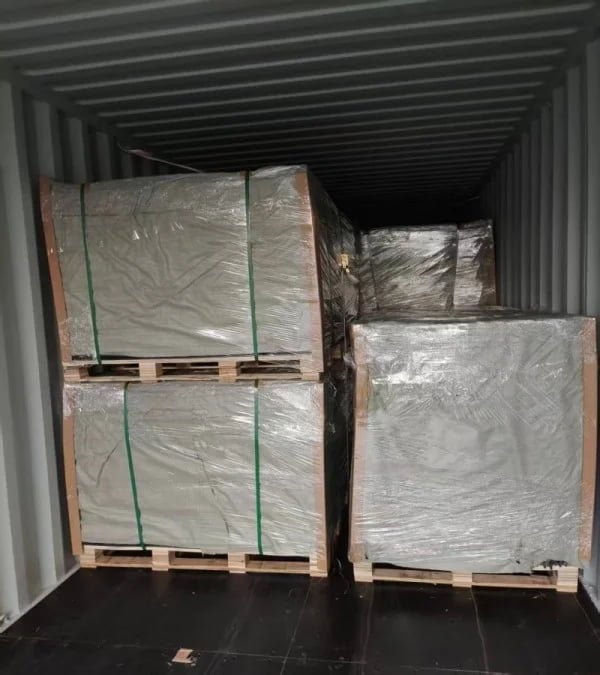
Project Gallery
Our Solution
Our HDPE Configuration
| Product detail | Specification |
| Material | HDPE |
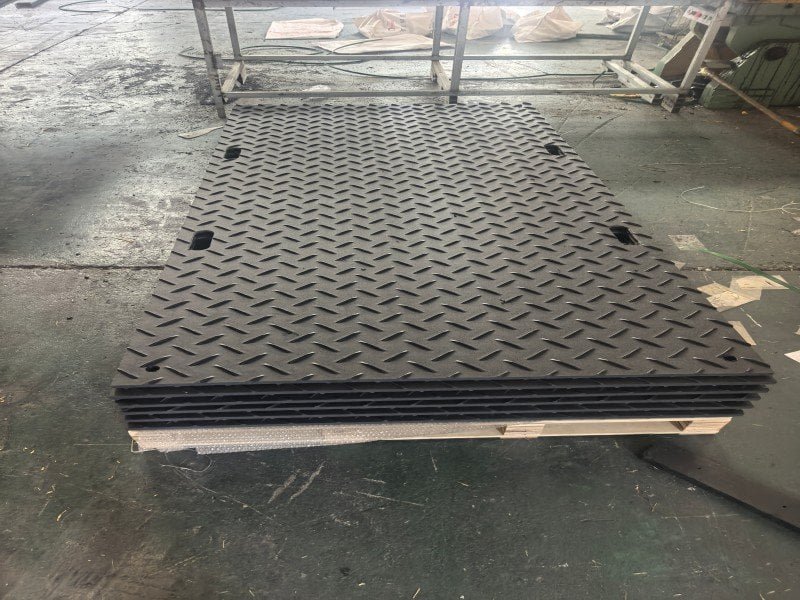
| Panel size | 1220 × 2440 mm |
| Nominal thickness | 15 mm |
| Connection arrangement | Compatible connectors matched to the route |
| Custom processing | Handling openings and identification to an agreed drawing |
| Use | Temporary utility-maintenance access on assessed supporting ground |
We treated handling as a specification requirement rather than simply describing the product as portable.
The actual panel weight, load requirement, and unloading method remained part of the final product confirmation.
Why We Reviewed the Whole Working Kit
A panel that fits the access requirement can still be inconvenient when the crew cannot unload or reposition it.
We asked about the service vehicle, available payload, crew resources, and handling equipment.
We also discussed storage and the way panels and connectors were counted after each assignment.
The objective was not the smallest panel at any cost. It was a manageable system that still matched the approved load.
Changes to dimensions or handling openings needed a controlled drawing, rather than improvised modification by the crew.
We kept lifting supports and outrigger loads separate from the vehicle-access requirement.
What BKM Contributed to the Order
Our team worked through the panel dimensions, thickness, surface, connection points, and identification details with the customer.
We explained how the connector arrangement affected the working layout and the quantity of hardware to keep with the panels.
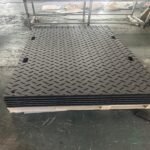
Production follow-up focused on the details the crew needed to recognize: panel edges, openings, connector positions, and markings.
We shared progress information and photographs so the buyer could review the order before dispatch.
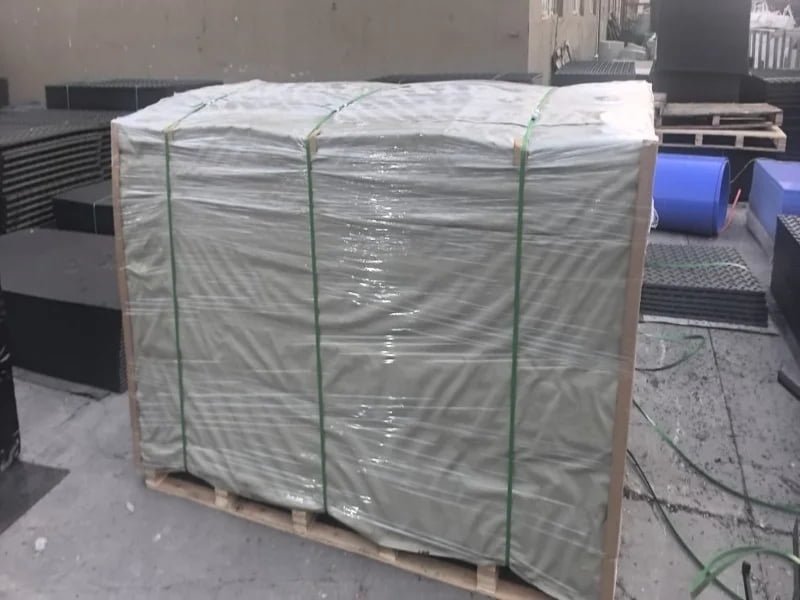
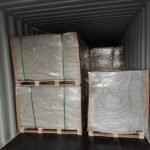
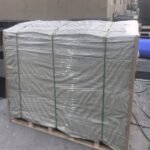
The packing discussion covered the individual panel groups and the matching connectors rather than treating them as unrelated items.
We kept the agreed product information available for checking replacement parts and any later additions.
Customer Value and Takeaway
The solution was built around deployment, recovery, and redeployment—not simply the first use of the mats.
That kept transport, storage, and compatibility visible in the buying decision.
We did not describe the product as a flood-crossing system or certified electrical insulating equipment.
Its role was temporary access on assessed ground, with operating limits appropriate to the actual work.
For mobile maintenance teams, a useful mat system must fit the crew’s routine as well as the equipment’s load.
Build a Practical Maintenance Access Kit
Tell us about your service vehicle, operating equipment, route sizes, and unloading method. We will help you define the mat and connector package.