
Keeping Turf Protection Manageable: BKM Lightweight Mats for a Swiss Landscaping Contractor
Project Overview
Our Swiss landscaping customer wanted to protect grass without turning every small job into a heavy mat-handling operation.
Their work involved compact equipment, changing access routes, and lawns where the finished appearance mattered.
They needed to move panels between projects rather than leave one permanent roadway in place.
Switzerland receives precipitation throughout the year, with temperature and snowfall varying by location and elevation.
The customer’s concern was therefore practical: match the equipment and ground while keeping installation and collection manageable.
When they contacted BKM, we focused on a smaller HDPE format instead of automatically recommending a heavier industrial mat.
What the Customer Wanted from the Mats
- Protect approved access routes for compact landscaping equipment.
- Keep individual panel handling and transport manageable.
- Maintain a consistent product for reuse on changing job sites.
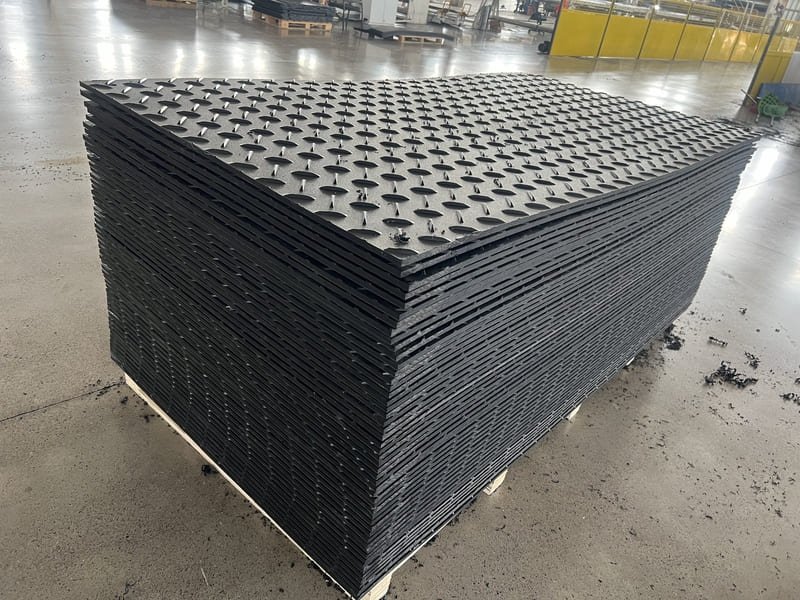
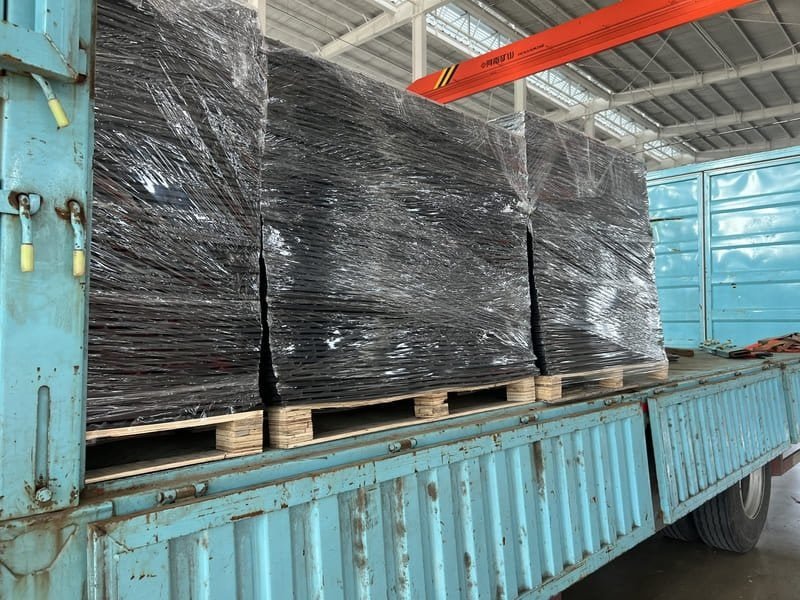
Project Gallery

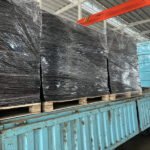
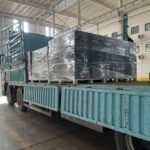
Our Solution
The Lightweight Format We Recommended
| Product detail | Specification |
| Material | HDPE |
| Panel size | 1000 × 2000 mm |
| Base thickness | 10 mm |
| Overall height with two-sided texture | 20 mm |
| Approximate panel weight | 22 kg |
| Nominal panel footprint | 2 m² |
We made the thickness definition explicit. A 10 mm base with raised tread is not a 20 mm solid base.
The format gave us a useful balance to discuss: panel size, handling weight, available coverage, and equipment suitability.
Why We Did Not Start with the Heaviest Mat
The customer’s working routine involved moving, laying, stacking, and recovering the same inventory.
We treated those tasks as part of the buying decision instead of focusing only on a headline load rating.
The smaller format also made transport planning easier to calculate: each panel had a defined footprint and approximate weight.
We still reviewed the machine’s operating weight, wheel or track contact, and the support available beneath the turf.
A lightweight panel is not an excuse to ignore soft ground or unsuitable turning movements.
We discussed the access route and turning areas together, including the transitions between protected and unprotected ground.
How BKM Supported Product Consistency
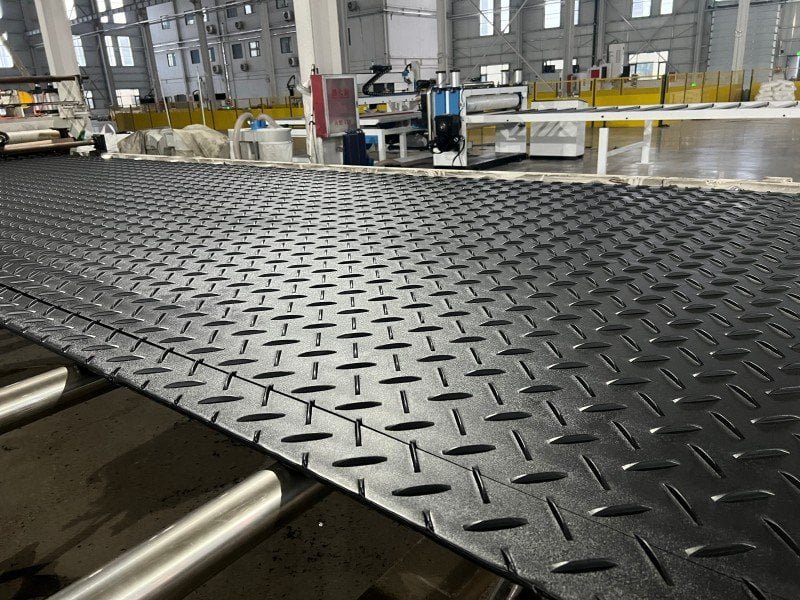
Our team kept the base thickness, tread height, dimensions, and connection details clear in the order discussion.
We reviewed the handling arrangements with the customer instead of assuming that one worker could carry every panel safely.
During production follow-up, we focused on the panel finish, edge details, and consistency with the agreed specification.
Photographs and progress information helped the customer check those details before shipment.
We also discussed packing and storage so the product information reflected how the contractor moved between jobs.
The same specification formed the reference for any later additions to the inventory.
Customer Value and Takeaway
Our solution kept the focus on the real landscaping task: controlled access, turf care, and manageable handling.
We did not promise that covering grass for any duration would leave it unaffected.
The site team still needed to manage covering time, weather, traffic, and removal.
For landscaping and tree-care contractors, including those working along woodland edges, convenience matters only when the mat suits the ground.
The best choice is not automatically the thickest panel. It is the format that matches the equipment and the crew’s work.
Match the Mat to Your Landscaping Work
Send us your machine details, ground photographs, route width, and transport limits. We will help you compare practical turf-protection formats.