
 English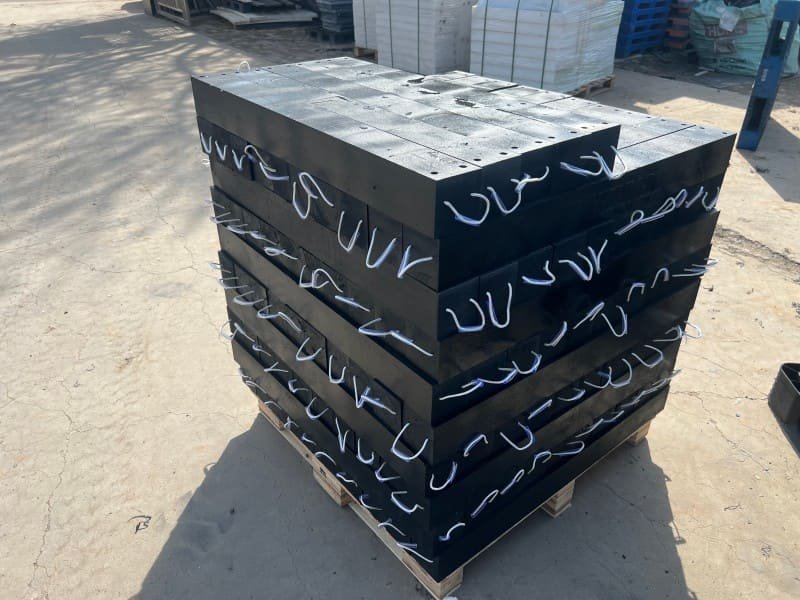
Crane Leg Pads
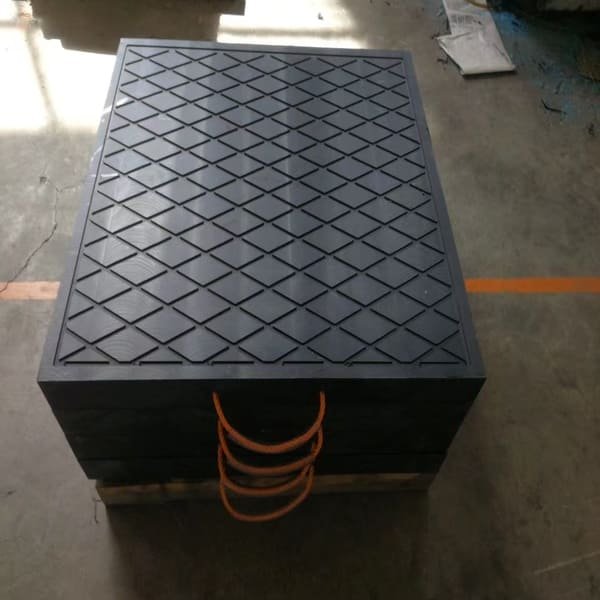
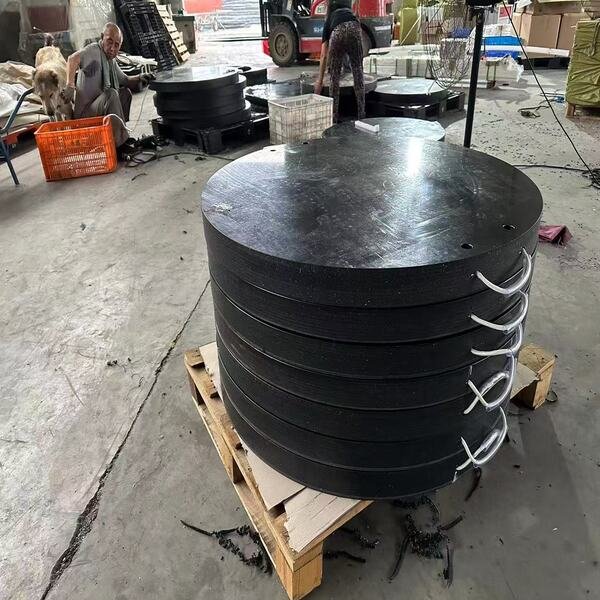
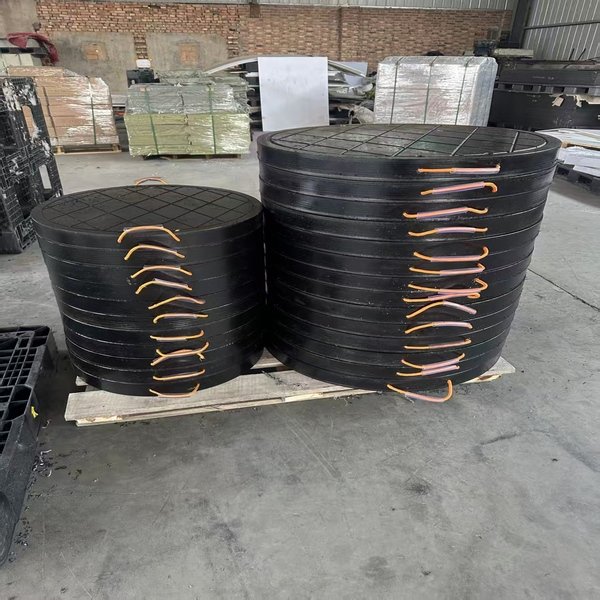
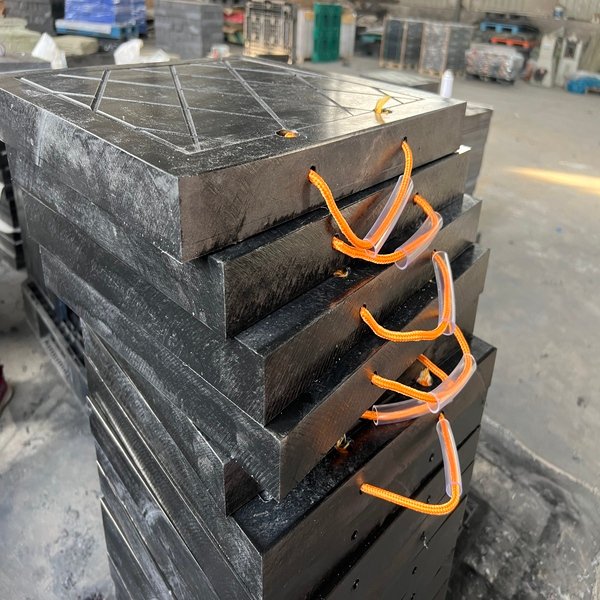
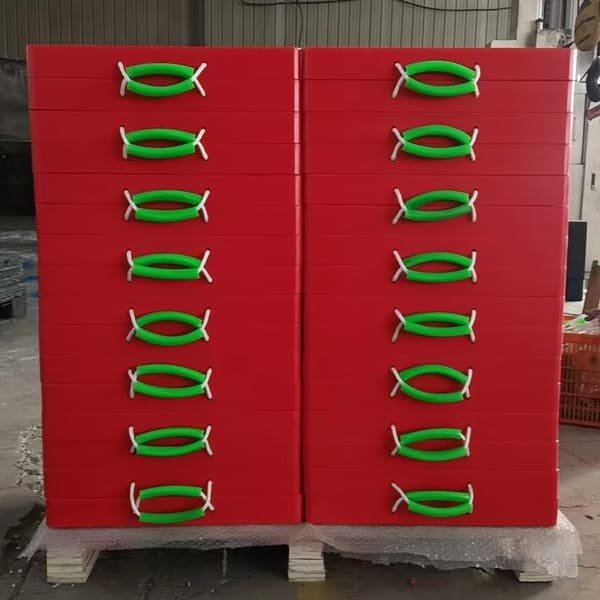
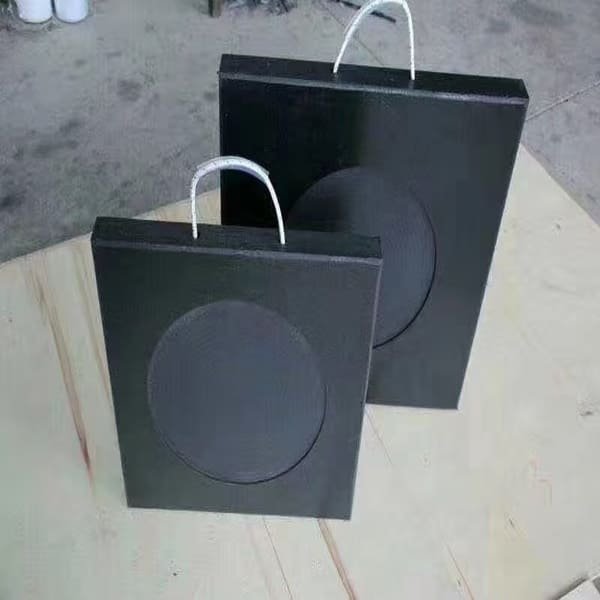
Non-Rotting HDPE Mats with 10+ Year Lifespan
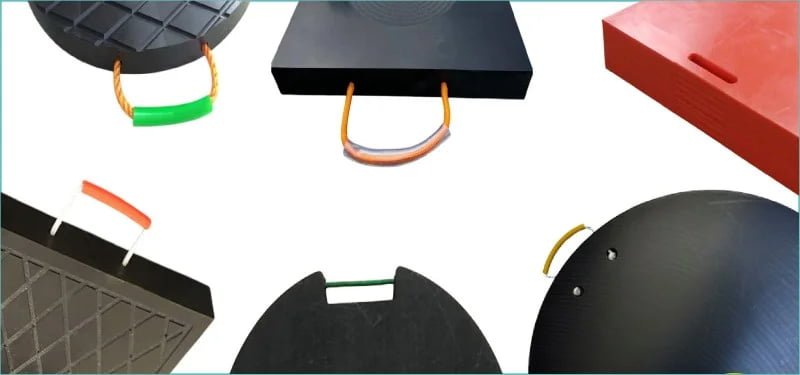
Crane leg pads are made to ensure there is an increased bearing area of the crane legs. These pads are also referred to as outrigger pads or stabilizer pads. When set up on soil, gravel, asphalt shoulder, grass, compacted fill, or mixed soil conditions, a correct pad will help reduce the bearing pressures and provide increased stability for crane operation.
Product Specifications
Detailed technical specifications
Key Features & Advantages
- HDPE & UHMWPE material options for different uses.
- Increase the support area under the outrigger float to carry the load more effectively.
- Useful beyond soft mud. Also used on concrete, asphalt, frozen ground, and uneven surfaces.
- More reliable than wood in wet outdoor use.
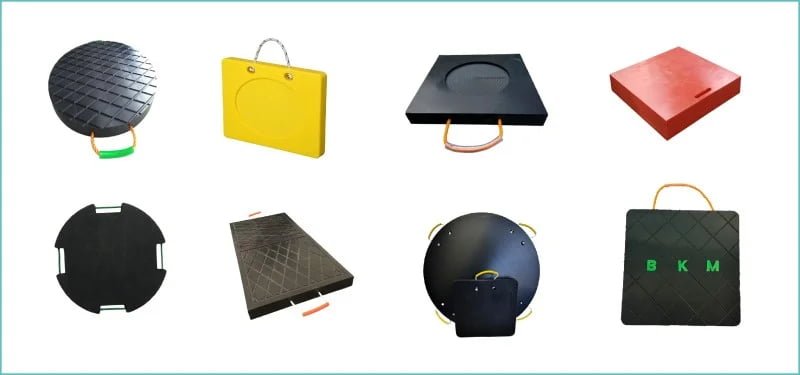
- Square and round formats for different float sizes.
- Molded handles, cutouts, and rope handles can be customized for faster setup.
Applications
- Mobile crane set-up on soil compaction, gravel, and unfinished roadway ground.
- Lifting operations on asphalt shoulders, concrete aprons, and combination surfaces by the road.
- Utility, signage, tree maintenance, and services when a larger contact area is required for outriggers.
- Cranes set up on grass, soil compaction, and temporary worksites.
- Repeated operations on-site.
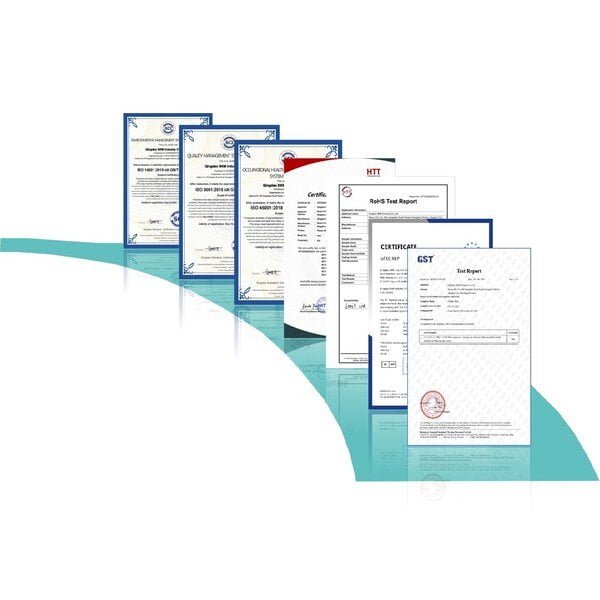
Certified for Global Standards
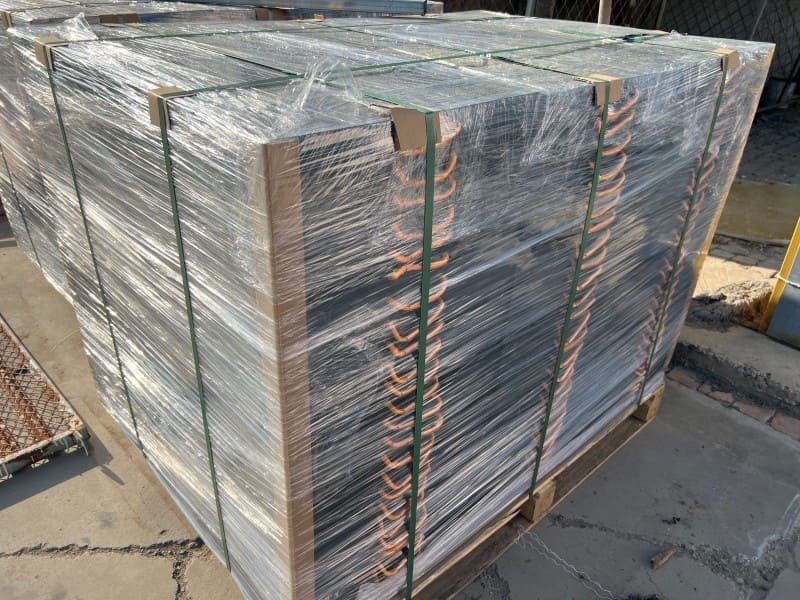
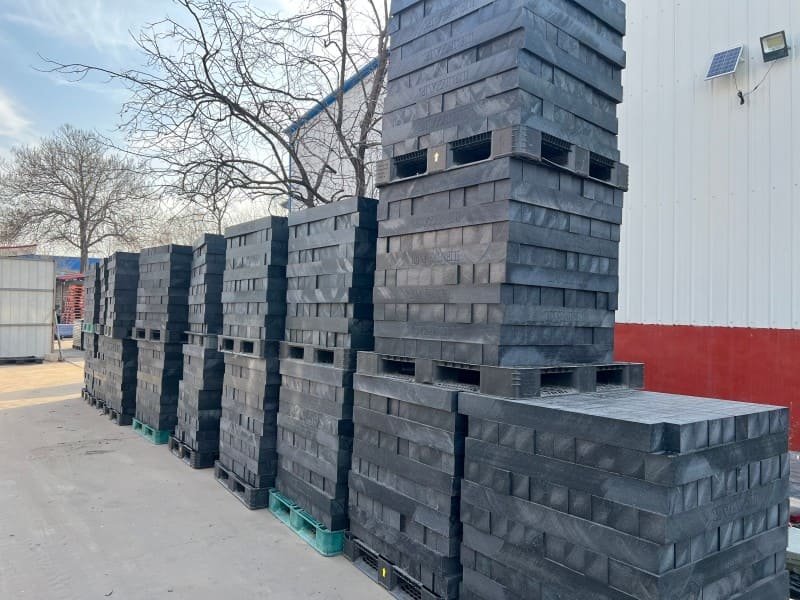
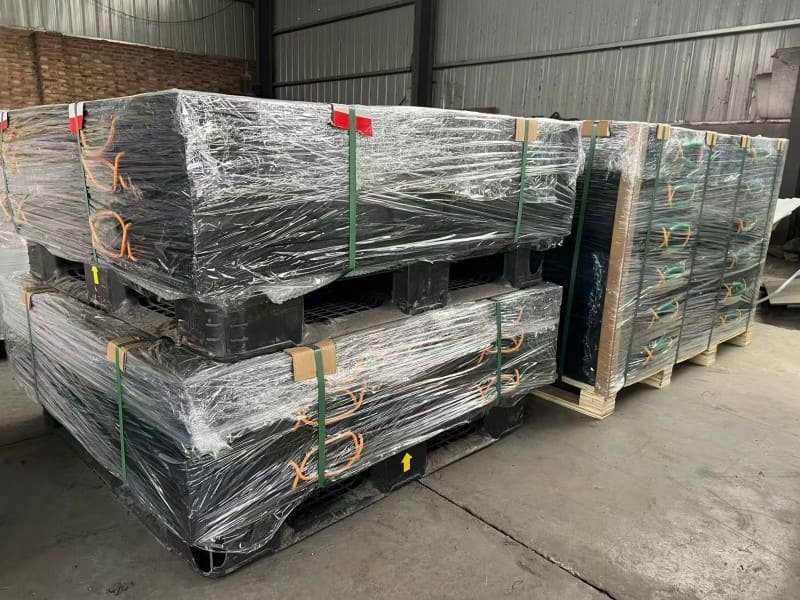
Each batch undergoes thorough inspection on the shop floor. Raw material is tested upon arrival, as well as finished parts upon completion. Anything failing to conform to specifications is not shipped out.
ISO 9001 Quality Management
ISO 9001:2015 certification requires written processes, production control measures, and traceability of the process from initial raw material to finished part. More critically, ISO helps us maintain tolerances across multiple batches, rather than just in theory.
Food-Grade FDA Compliance
In cases of applications involving food production, only selected types of HDPE and UHMWPE materials which conform to FDA food-grade standards are used. These grades are usually utilized in cutting surfaces, guides, and wear parts.
RoHS Compliant Manufacturing
Materials comply with RoHS environmental regulations in terms of substance content restrictions. This is ensured by monitoring the components of the material, rather than the finished part.
Traceable Material Test Reports (MTR)
Material test reports available upon request include mechanical properties such as tensile strength and impact value, as well as wear information and dimensional checks.
Application Areas
Our ground protection and engineering plastic solutions are trusted across a wide range of demanding industries and environments.
Frequently Asked Questions
Off-center placement will lead to uneven ground bearing pressure, increasing the risk of instability. The float should be placed squarely in the center of the pad.
No. They need full support from compacted, drained, flat and level ground below.
Our crane leg pads can maintain stable performance in the temperature range of -40℃ to 80℃, adapting to high-temperature outdoor construction and low-temperature winter working scenarios.
Yes. Made of HDPE with a closed‑cell structure, crane leg pads are buoyant and can be used stably in marshy, waterlogged and low‑lying wet construction sites without sinking or deforming.
Yes. They can help distribute weight and improve stability on frozen or uneven ground. Winter setup requires attention to slope limits, not just pad size.
No. Crane leg pads are made of corrosion‑resistant plastic material, which will not rust, corrode or deteriorate even in humid, salt‑spray and chemical‑exposed construction environments.
Yes. They can evenly disperse the pressure of crane legs, effectively protecting underground water, electricity and gas pipelines from being crushed during municipal construction.
Yes. The pads reduce pressure concentration on the ground, avoiding rutting and compaction of lawns and turf, and the grass can recover quickly after the pads are removed.
Send Us a Quick Inquiry
Get a response from our team within one business day.
Related Products
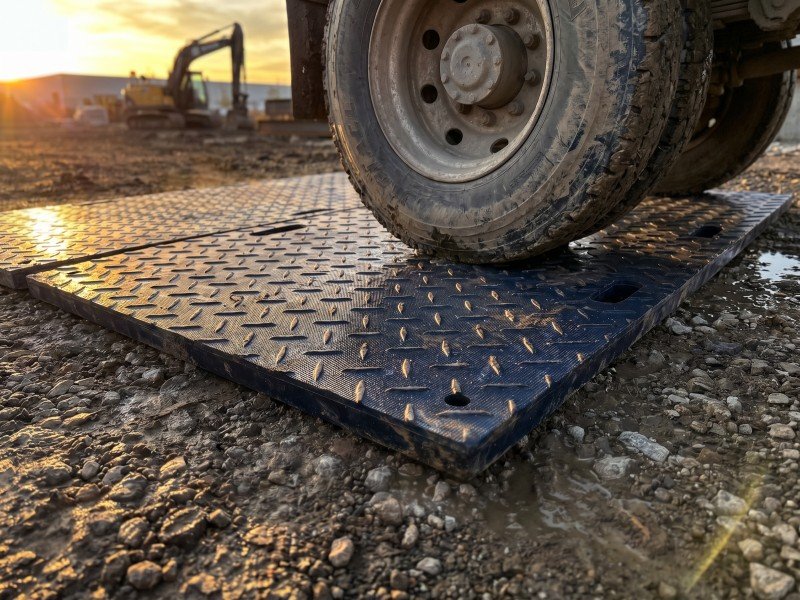
Heavy Duty Ground Protection Mats
Designed for heavy equipment access, providing reliable ground protection and load distribution on demanding jobsites.
View Details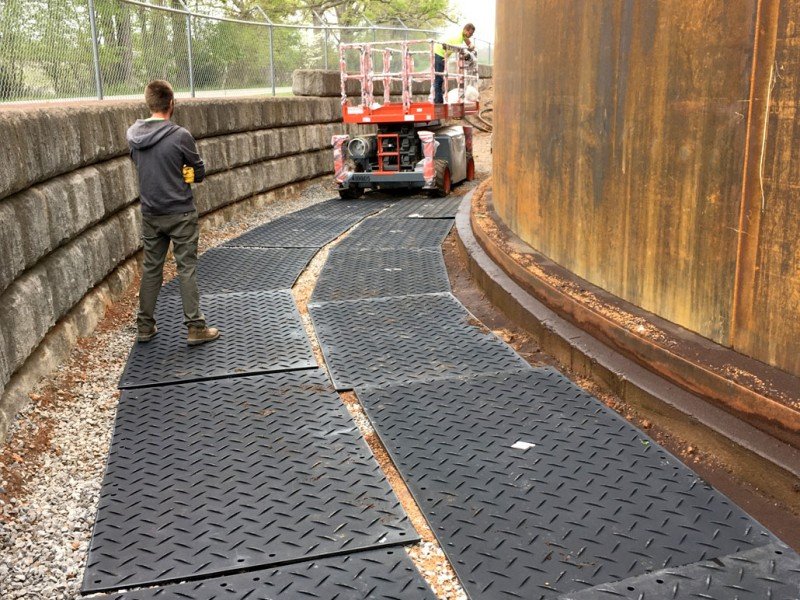
Ground Protection Mats
Create temporary access roads and protect sensitive ground from vehicle and pedestrian traffic.
View Details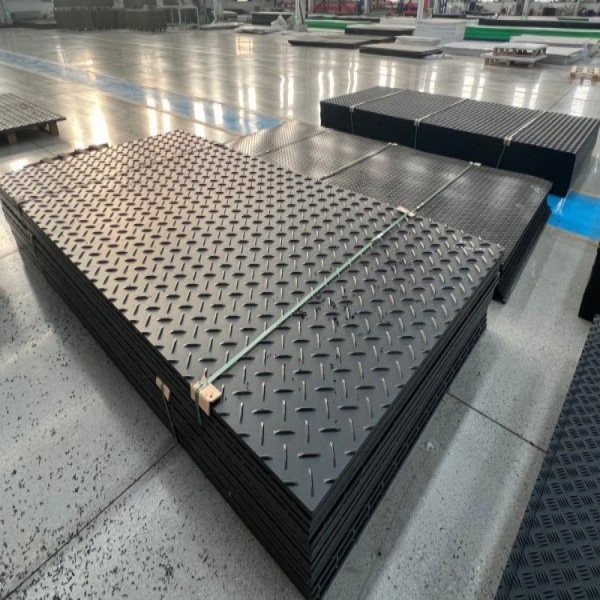
Ground Protection Mats 4x8
The popular 4' × 8' size offers an ideal balance of coverage, handling convenience, and load support.
View Details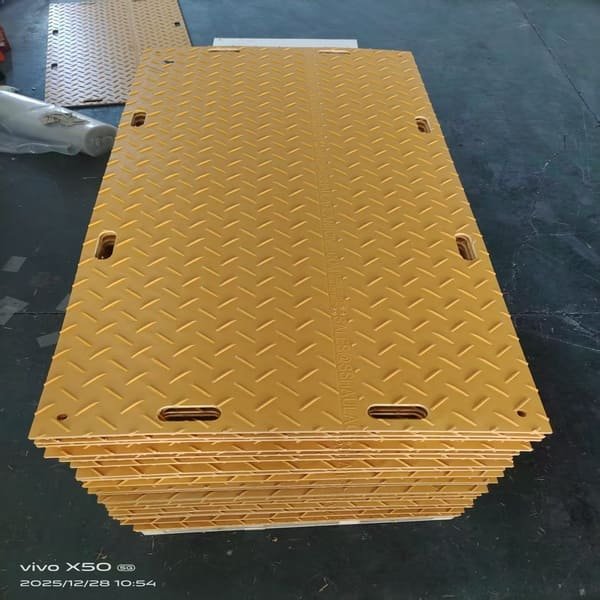
Plastic Ground Protection Mats
Made from durable HDPE or UHMWPE materials for long-lasting performance in tough outdoor environments.
View Details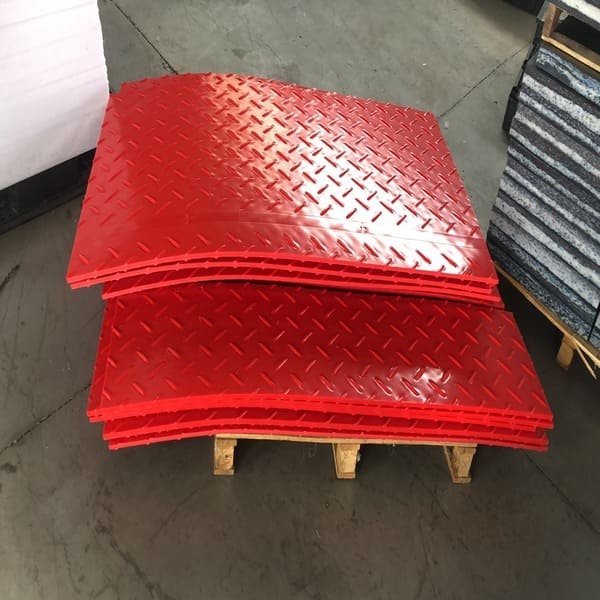
Lightweight Ground Protection Mats
Easy to carry, deploy, and reposition while still providing dependable ground protection.
View Details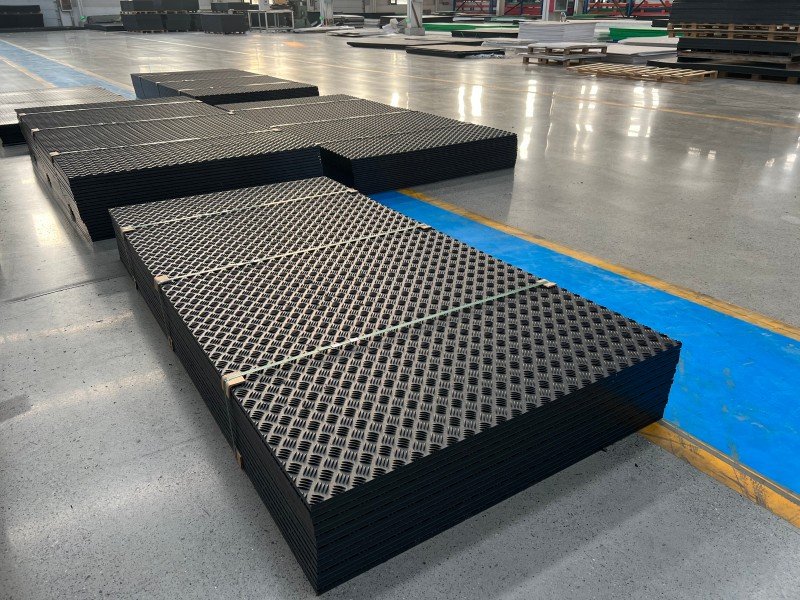
Composite Mats
Engineered for high load capacity and durability, making them ideal for demanding construction and access applications.
View Details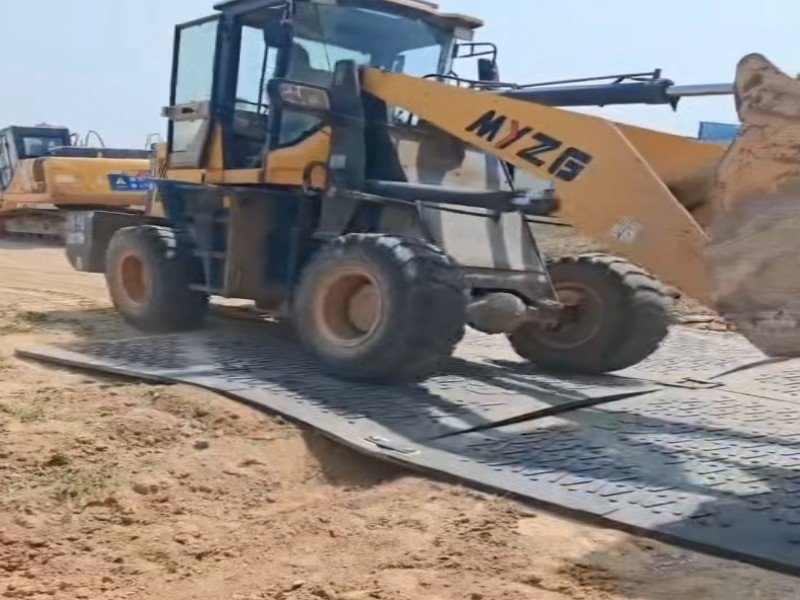
Temporary Ground Protection Mats
Provide a fast and reliable solution for creating temporary access routes while protecting the ground underneath.
View Details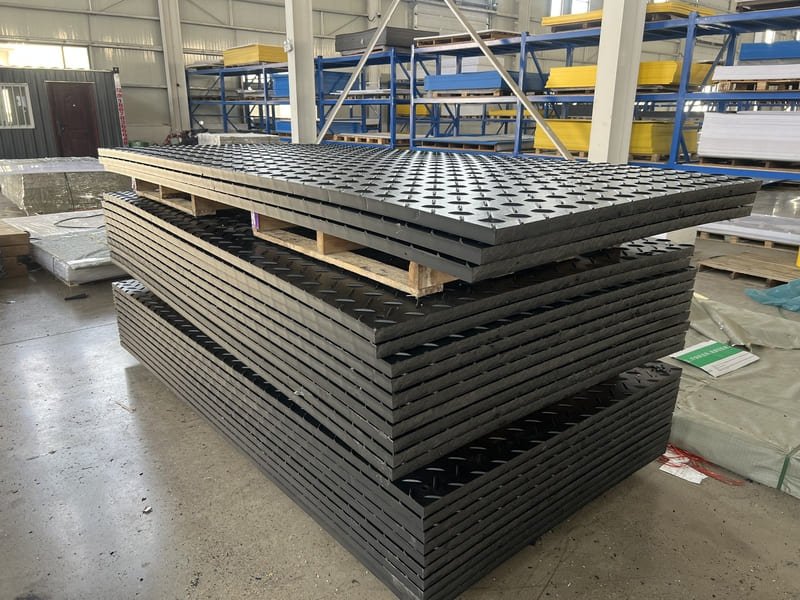
Double-Sided 3' × 8' Ground Protection Mats
Featuring traction patterns on both sides, these 3' × 8' mats provide reliable ground protection and equipment access across a wide range of jobsite conditions.
View DetailsCustomer Feedback
Perfect size matching my mobile crane, stackable design saves lots of storage space in our work truck.
Well-cut smooth edges without sharp burrs, won’t scratch machine tires or hurt workers’ hands during handling
Anti-slip texture on both sides, the crane outriggers won’t slide even on wet or slippery ground.
Ready to Order or Need a Custom Quote?
Our team is ready to help you with product selection, specifications, and custom manufacturing solutions.