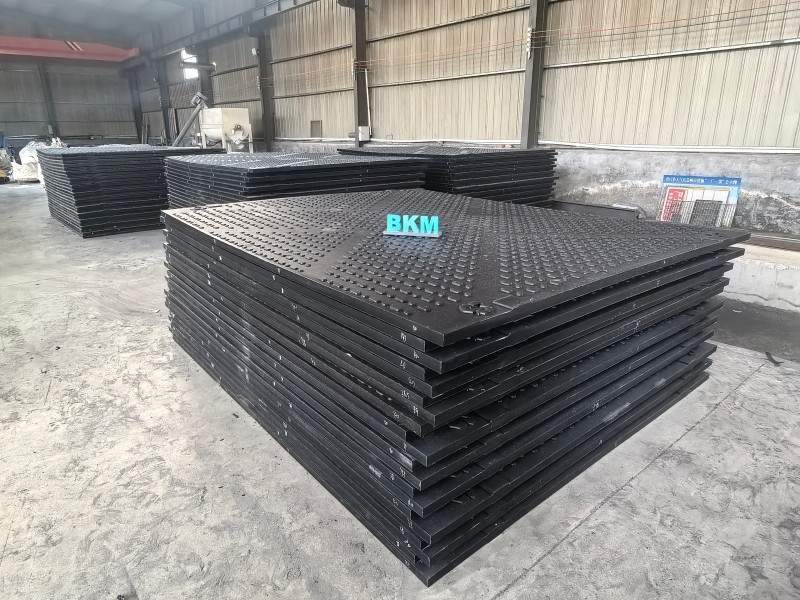
Key Features & Advantages
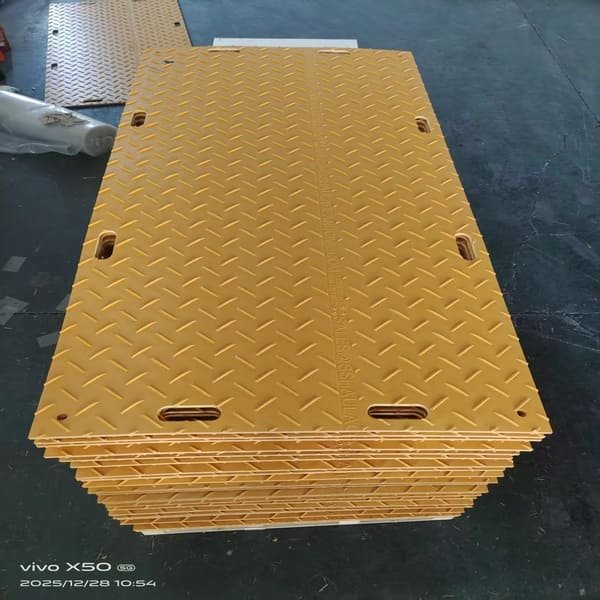
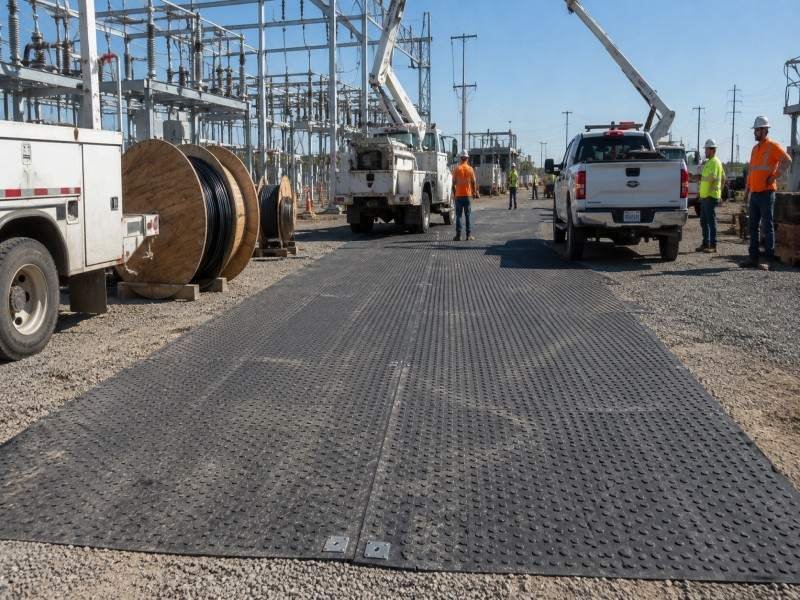
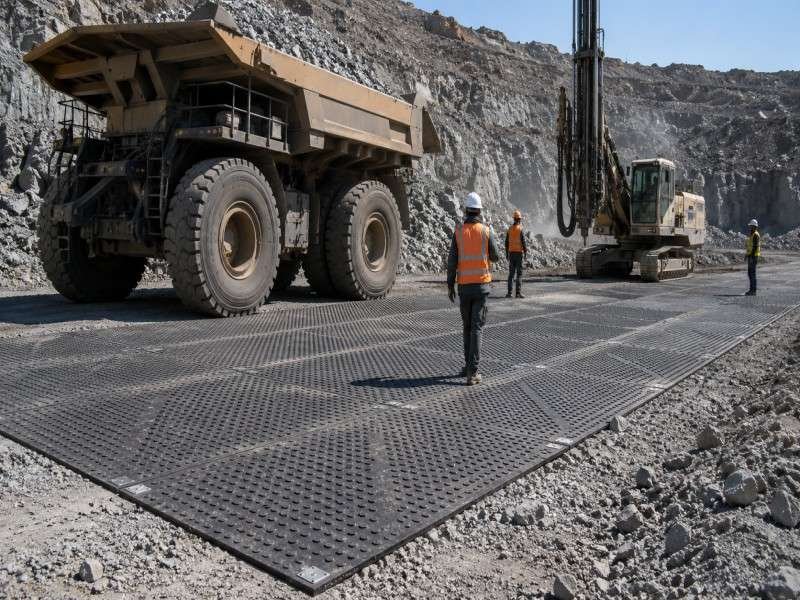
Keep repeated passes on a protected route. Our connected panels provide a running surface between the equipment and the ground, helping distribute contact loads and reduce direct rutting. A defined trackway also keeps routine traffic within the planned access corridor.
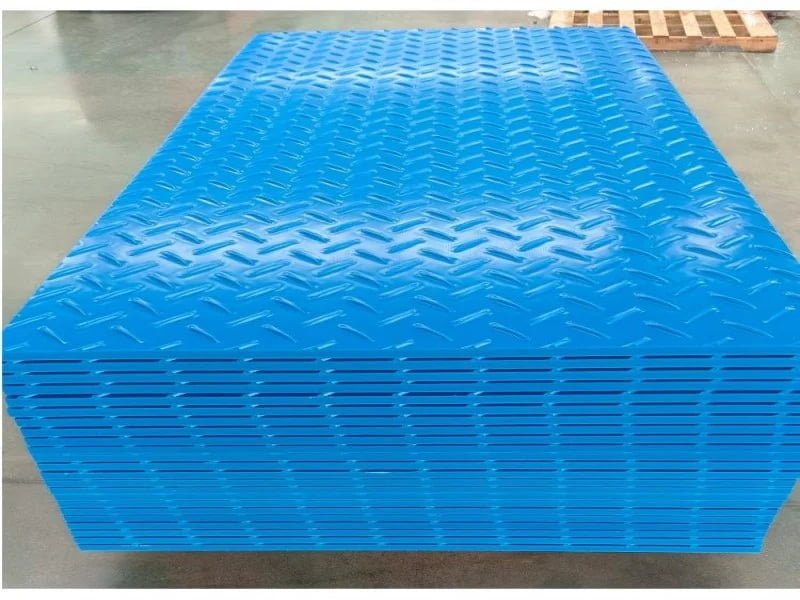
Match the plastic panel to the machine. Choose from HDPE ground protection panels and thicker solid UHMWPE formats for more demanding duties. We review operating weight, rubber or steel tracks, ground support and traffic frequency before recommending track mats for heavy equipment.
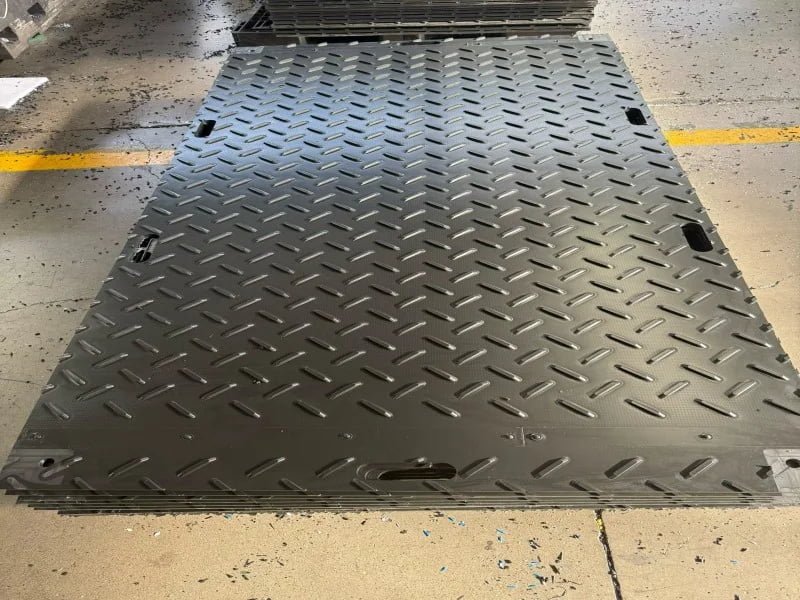
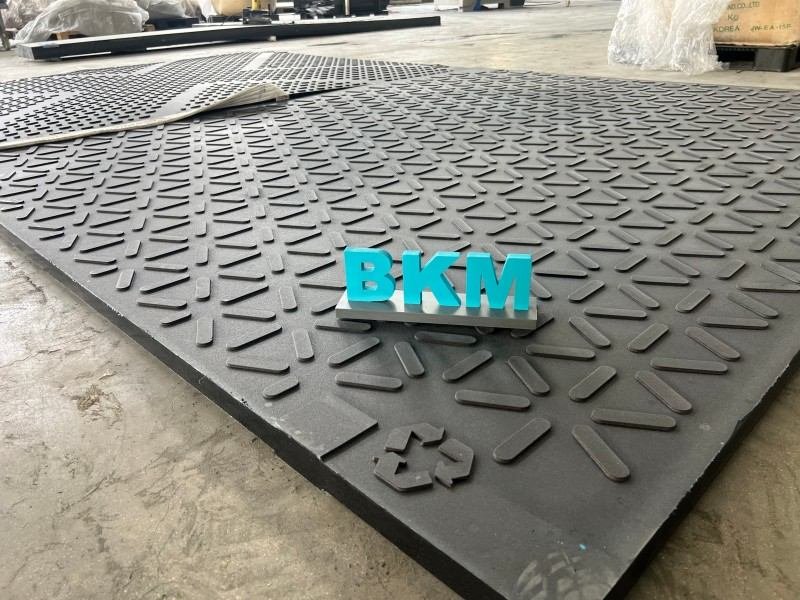
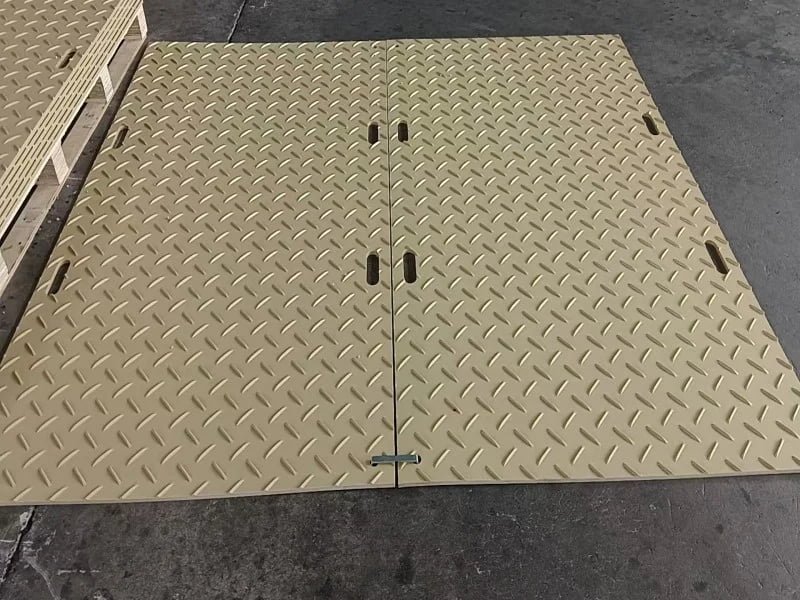
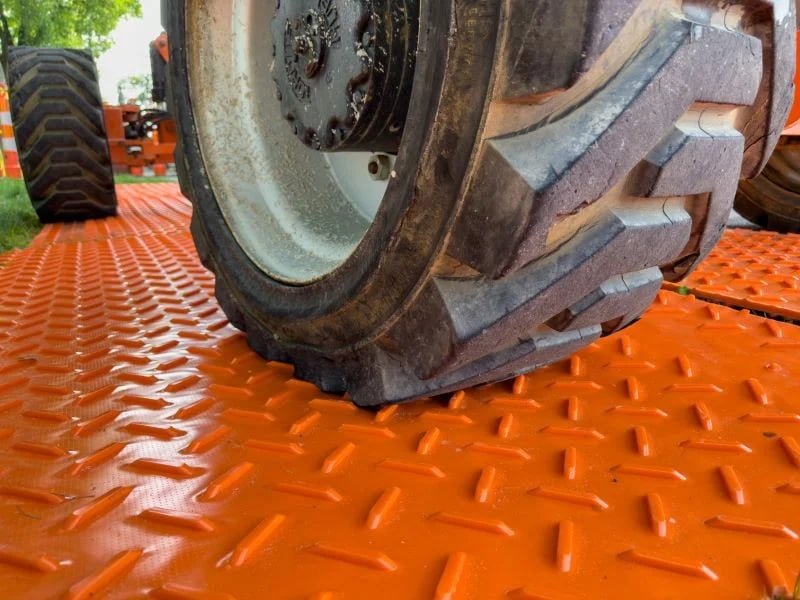
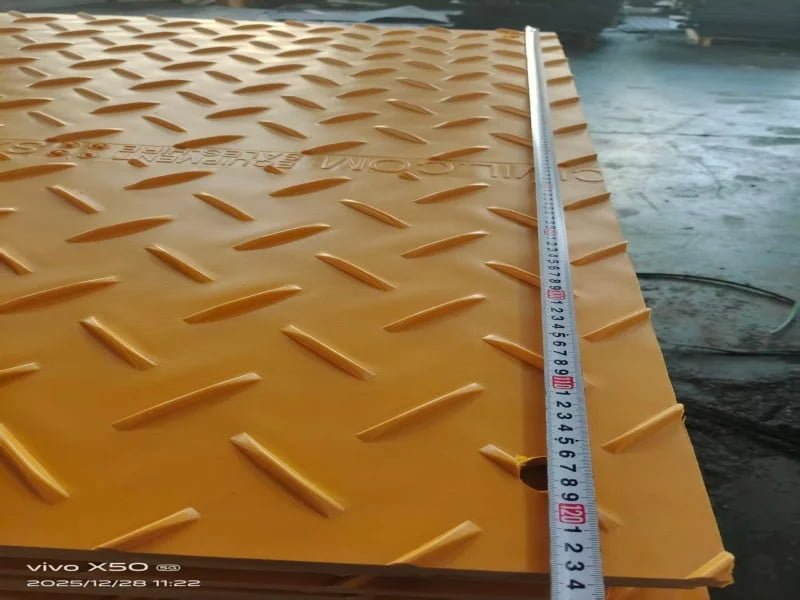
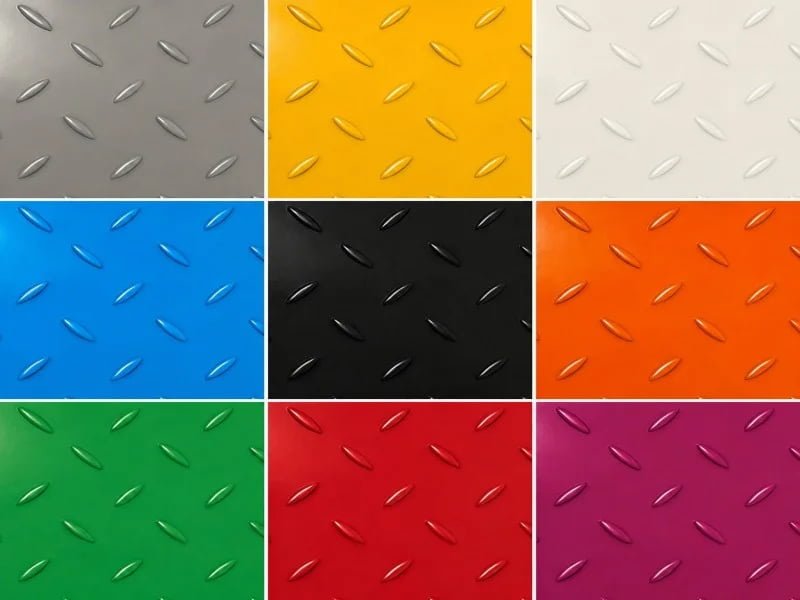
Specify a surface for the intended traffic. Raised tread creates a textured contact surface for equipment movement. We offer several patterns and review them with the tires or tracks in use; keeping mud clear of the running face helps the texture remain effective.
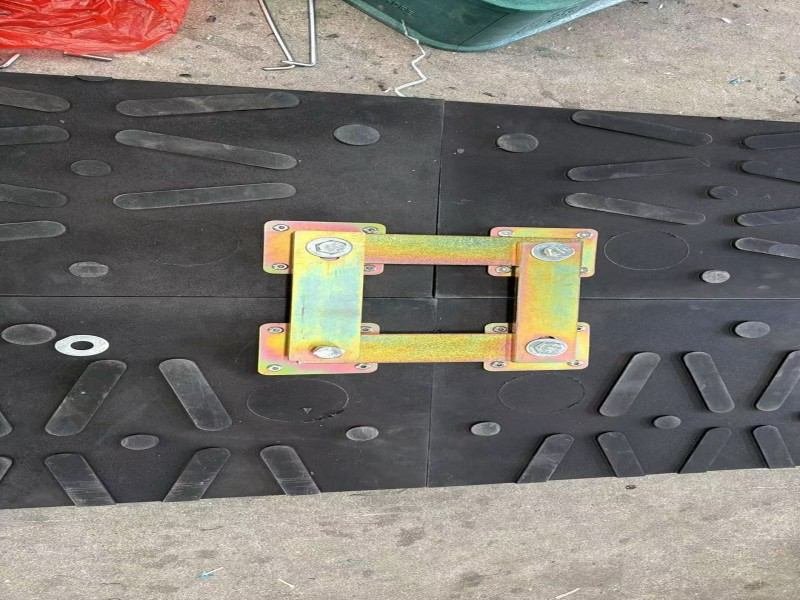
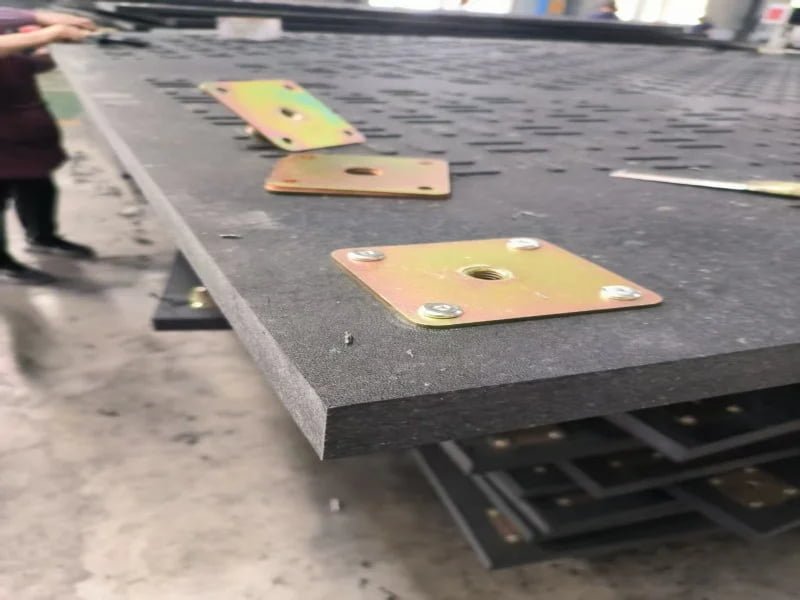
Join the route where panels meet. Two-way and four-way connection options allow adjoining panels to form longer runs and wider sections. We match the connector and hole layout to the selected mat, with particular attention to entrances and changes of direction.
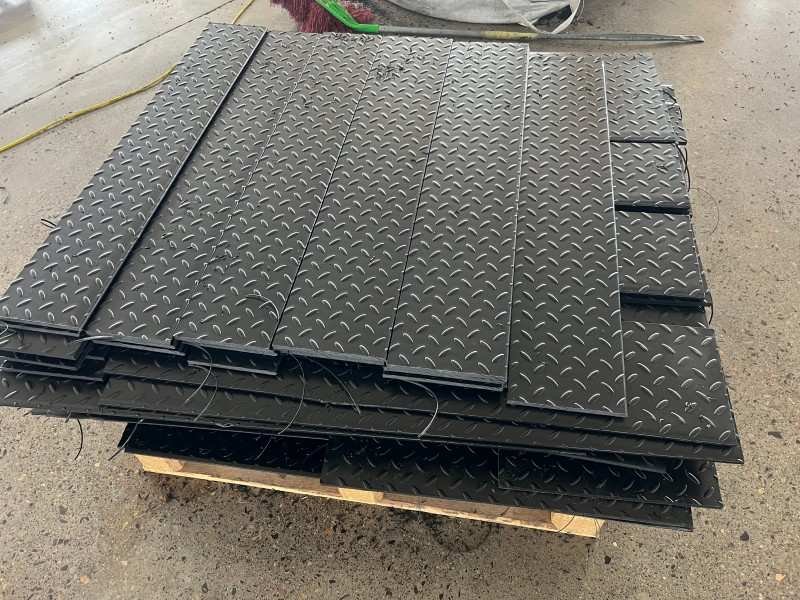
Replace recurring board purchases with reusable panels. The plastic body does not rot or produce timber splinters, and can be cleaned after muddy work. UHMWPE offers wear and impact resistance for repeated deployment, while inspection between jobs helps identify panels or connections that need attention.
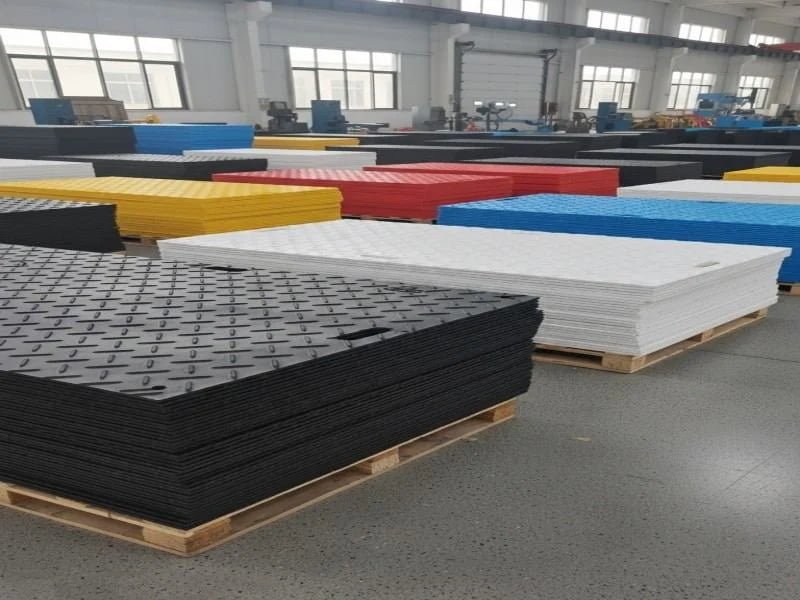
Build a mat set around your access layout. Panel dimensions, handling openings and agreed identification can be specified for the order. Plan the trackway width and recovery method together so the crew can move usable sections to the next work area.
Applications
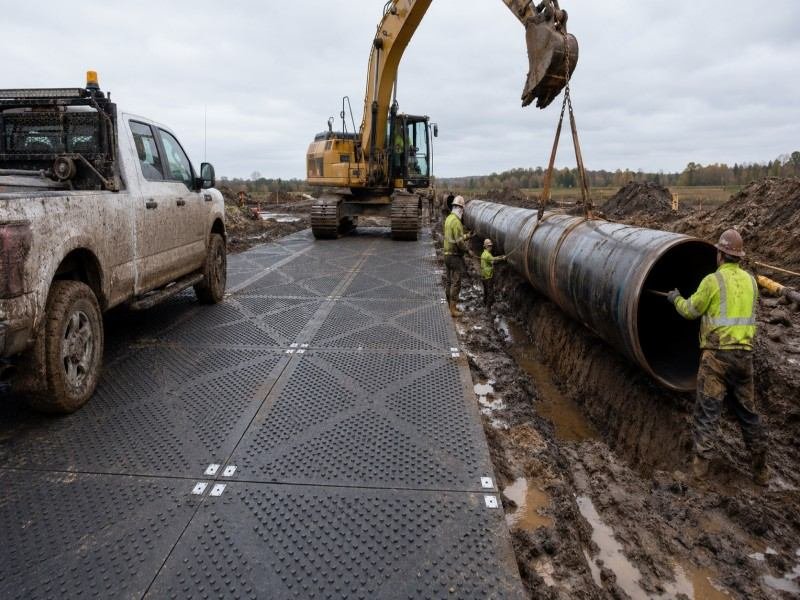
Excavator and site plant access. Use track mats for excavators and other approved plant travelling between the unloading point and the work area. Select the panel construction for the undercarriage, machine weight and ground, and provide enough covered area for the planned movement.
Utility and pipeline work sections. Lay a removable route for installation equipment and service vehicles along the work corridor. Connected sections can be recovered as each phase finishes, allowing the mat stock to follow the project.
Residential construction and landscaping. Protect an agreed path across lawns and maintained ground for suitable compact equipment. Match the HDPE panel format to access restrictions and handling needs, and plan removal around the duration of the work.
Heavy industrial access routes. Use selected solid mats on equipment access and staging routes in mining, energy and construction projects. Review repeated passes, turning areas and the supporting ground when specifying the mat system.
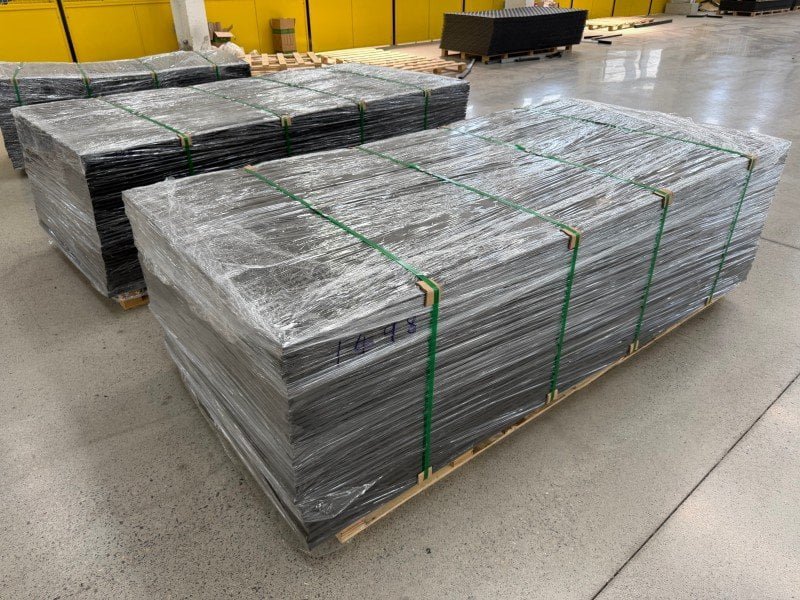
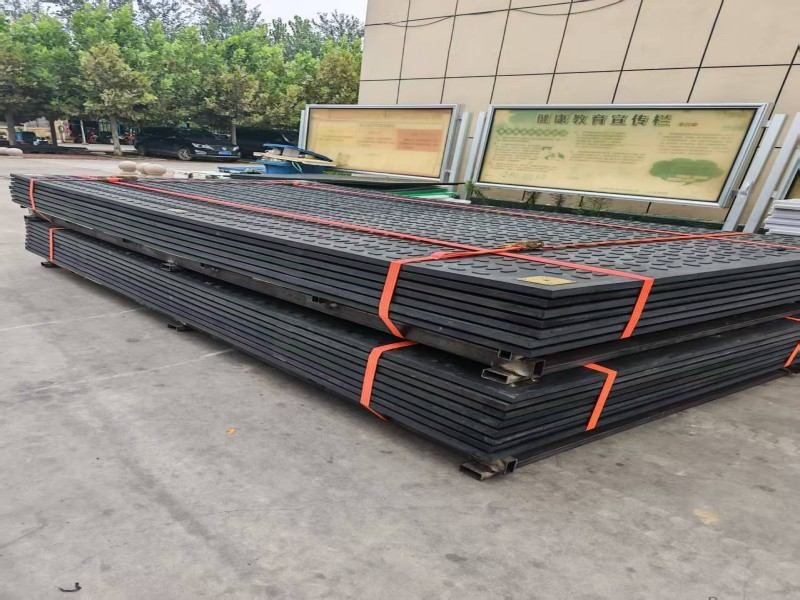
Reference plastic track mat configurations. The portable and heavy solid formats serve different duties; confirm the selected panel against the equipment and site assessment.
| Specification |
Portable access panel |
Heavy solid panel |
| Material |
HDPE |
UHMWPE |
| Length × width |
1220 × 2440 mm |
2500 × 3000 mm |
| Body thickness |
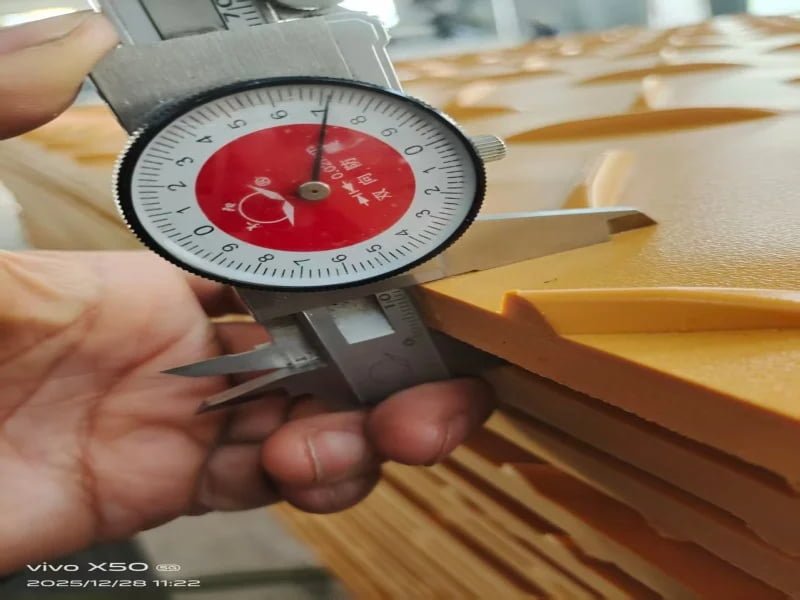
12.7 mm |
38 mm |
| Overall textured thickness |
22.7 mm, two sides |
48 mm, two sides |
| Reference panel weight |
41 kg |
293 kg |
| Nominal panel area |
2.98 m² |
7.50 m² |
| Handling |
Plan crew or mechanical handling |
Mechanical lifting |
| Tread and connections |
Specified for selected panel |
Specified for selected panel |
Dimensions and weights refer to the configurations shown. Coverage is the nominal panel area, before route-layout allowances. Equipment suitability depends on ground support, track or axle loading, turning movements and the selected connections; thickness alone is not a load rating.