
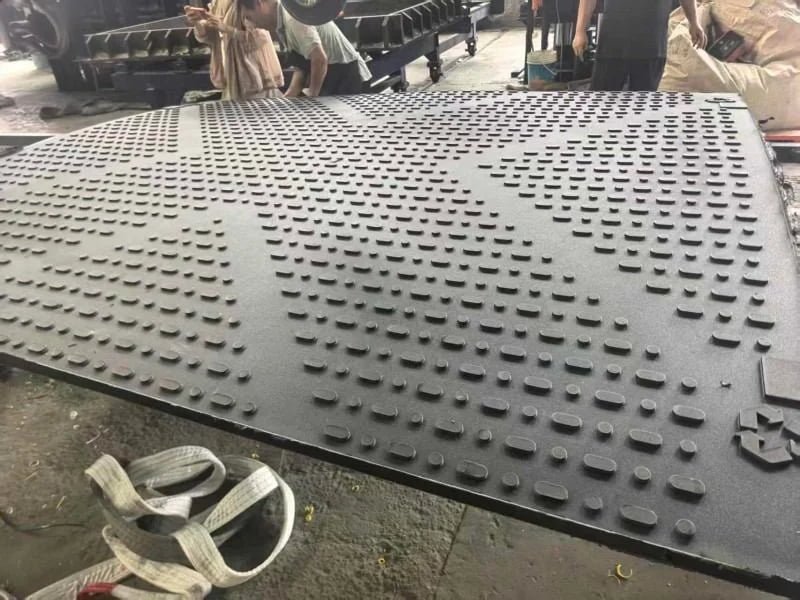
Heavy-Duty Ground Mats for Wet-Season Oilfield Access in Nigeria
Project Overview
Our oilfield customer in Nigeria needed a temporary access route for equipment deliveries and maintenance work.
Their concern was keeping the route suitable for the planned traffic when wet-season conditions affected the ground.
Nigeria’s wet and dry seasons vary by region, with a generally longer rainy season in the south.
The customer also had equipment standing areas to consider, which made a single headline mat rating inadequate.
They approached BKM for heavy-duty panels and a clear explanation of what the access system covered.
We separated vehicle movement, standing loads, and lifting support before discussing the product specification.
The Customer’s Main Concerns
- A removable route for the actual loaded vehicles.
- Durable panels, compatible connections, and suitable mechanical handling.
- A clear boundary between access mats and separately assessed lifting supports.
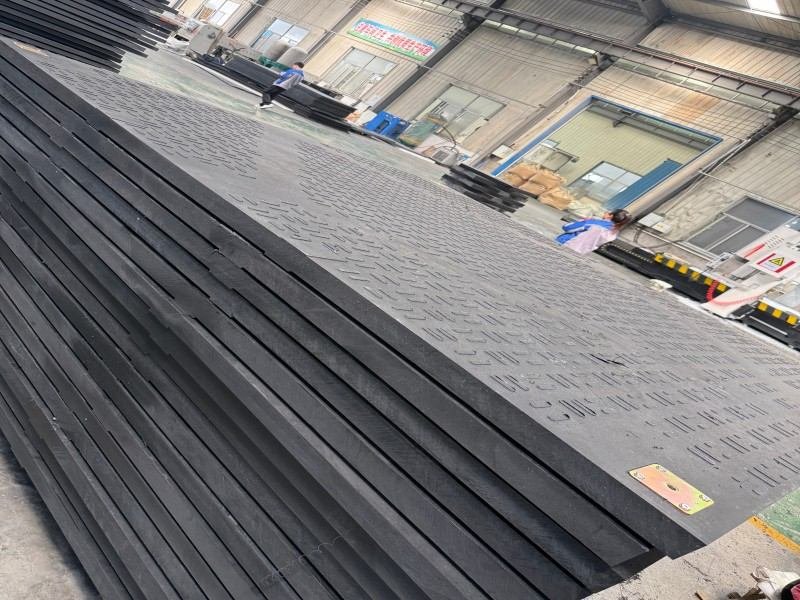
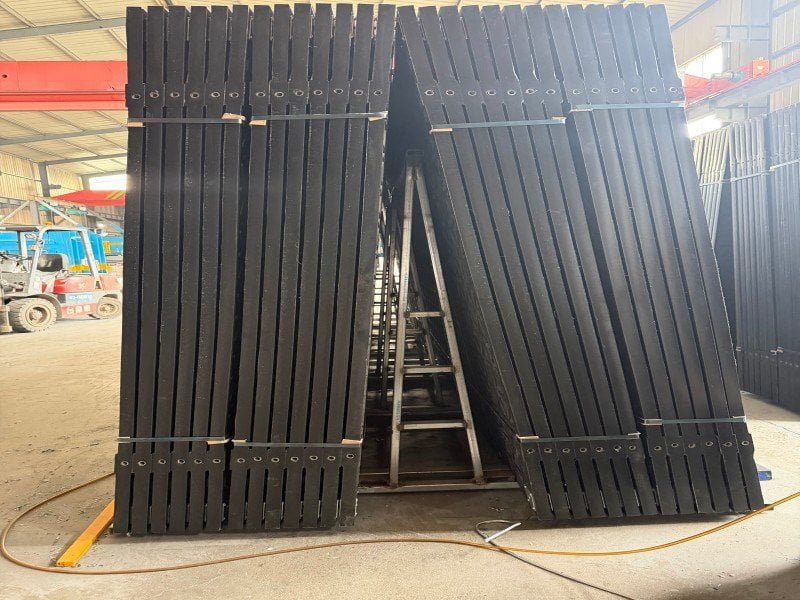
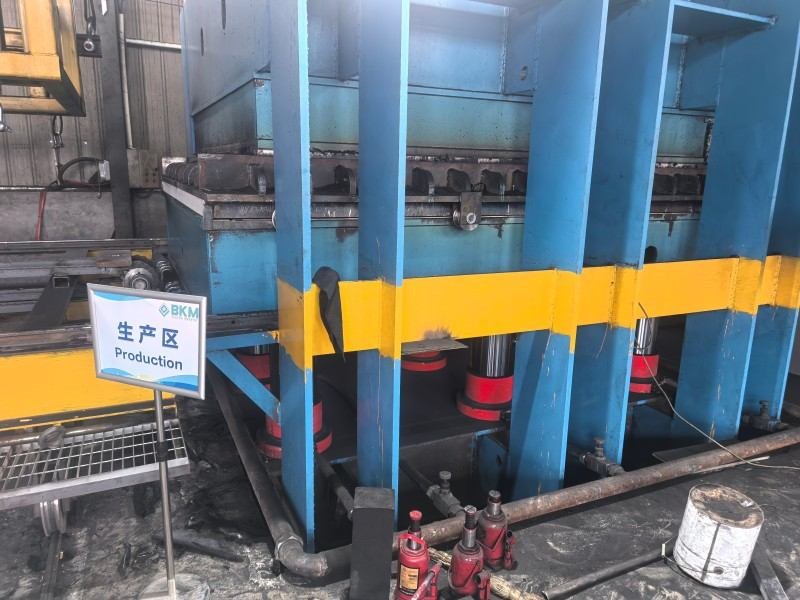
Project Gallery
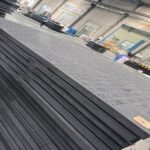
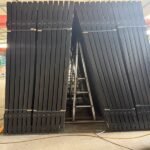
Our Solution
What We Recommended for the Access Route
| Product detail | Specification |
| Material | UHMWPE |
| Panel size | 2500 × 3000 mm |
| Nominal thickness | 38 mm |
| Nominal panel footprint | 7.5 m² |
| Connections | Compatible heavy-duty connectors |
| Handling | Mechanical installation and recovery |
We selected the heavy-duty UHMWPE format for the access discussion because wear, impact, and repeated movement were important.
The specification still depended on the loaded equipment and supporting ground; the material name did not provide automatic site approval.
Why We Kept Outrigger Loads Separate
A vehicle crossing a roadway and a crane transferring load through its outriggers are different applications.
We did not use the roadway specification as an automatic approval for lifting operations.
The lifting arrangement needed a separate review of reactions, support area, pad requirements, and the ground.
For the access route, we asked about loaded vehicles, wheel or track contact, traffic frequency, and the condition beneath the surface.
We also discussed route transitions, turning space, and the areas available for unloading the mats.
Unresolved weak ground and unsupported openings remained outside the standard access arrangement.
How BKM Managed the Supply Details
Our technical and sales teams kept the panel dimensions, surface details, connector arrangement, and handling requirements together.
We clarified the thickness definition and the product details the customer needed to compare with the approved drawing.
The production follow-up covered dimensional checks, surface condition, and connector fit.
We shared progress photographs and packing information so the customer could review the order before dispatch.
Packing and delivery coordination also considered the equipment available to unload and place the panels at the receiving site.
We kept the agreed mat-and-connector scope distinct from ground improvement and any separate lifting-support design.
Customer Value and Takeaway
The solution gave the purchasing discussion a clear structure: the access route, the mat system, and the limits of that system.
That distinction mattered more than presenting one impressive load number as an answer to every site operation.
For oilfield contractors, a heavy-duty mat is part of a working arrangement, not a substitute for knowing the ground.
We focus on matching the panels and connections to the planned traffic while keeping concentrated loads visible as separate requirements.
The same approach helps buyers compare offers without confusing access performance with approval for lifting equipment.
Discuss Your Heavy-Equipment Access Requirement
Provide your equipment schedule, route layout, ground information, and separate lifting requirements. We will help you define the appropriate mat supply scope.