Key Features & Advantages
Configure the approach around its boundaries. Two reference solid footprints give buyers different layout choices at entrances and receiving points. Start with the available space and equipment movements rather than a nominal road length.
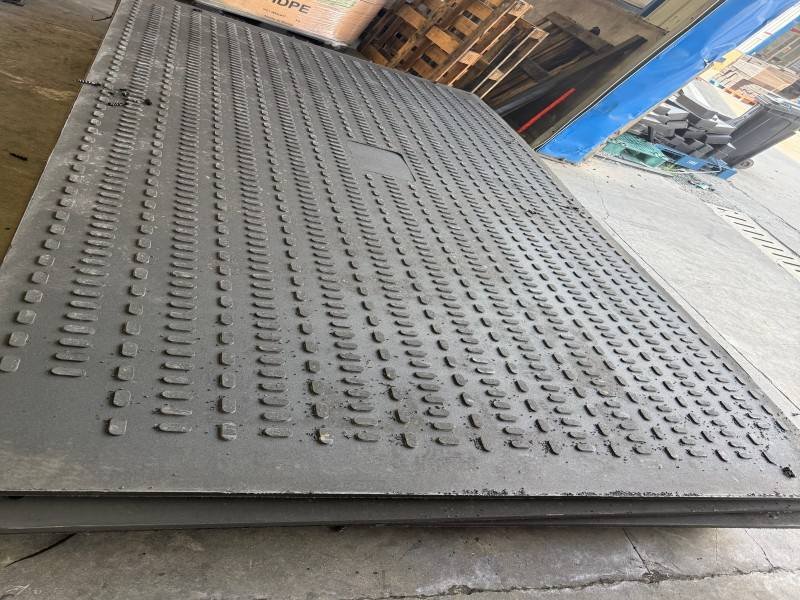
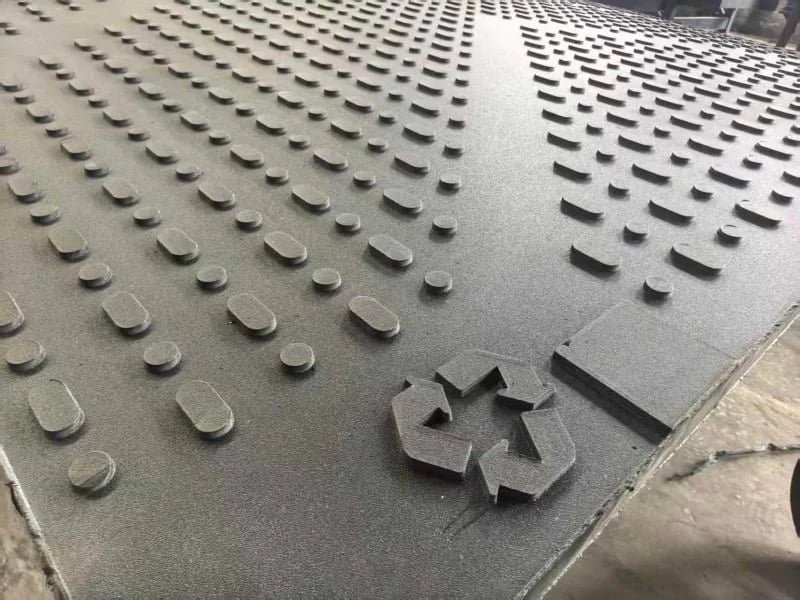
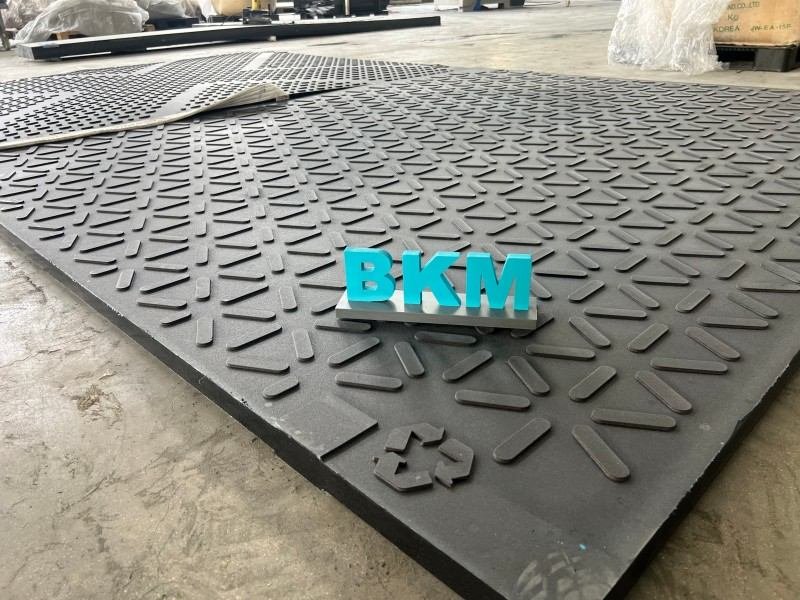
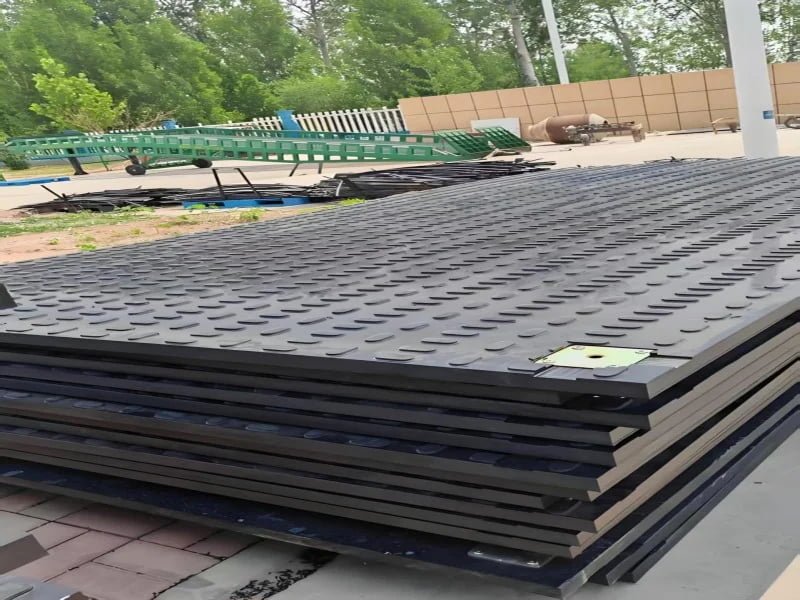
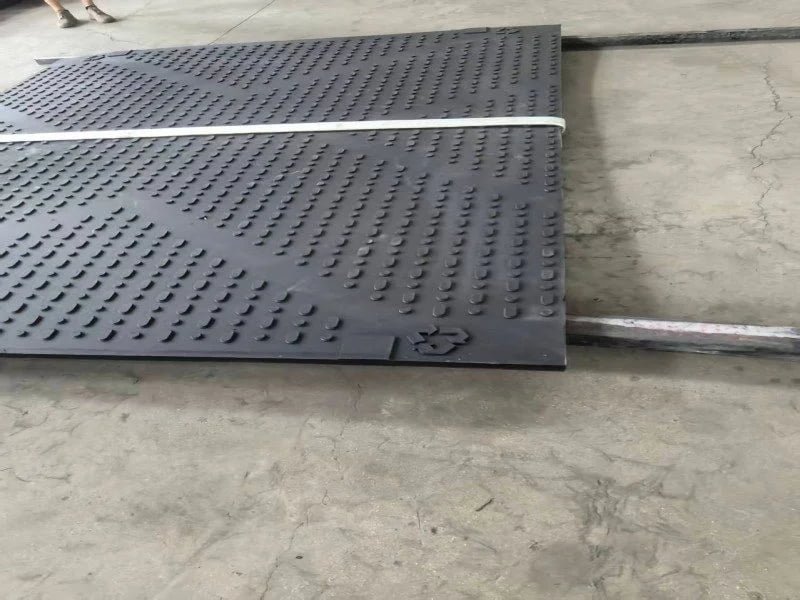
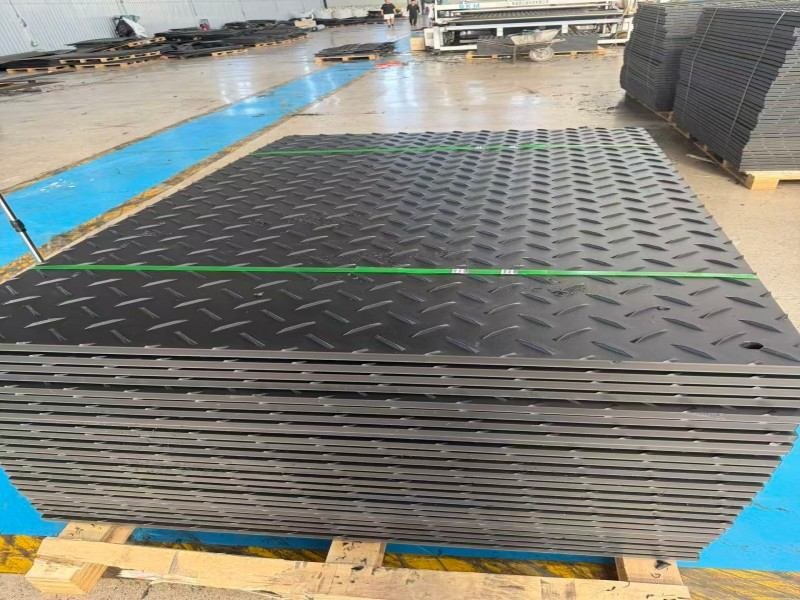
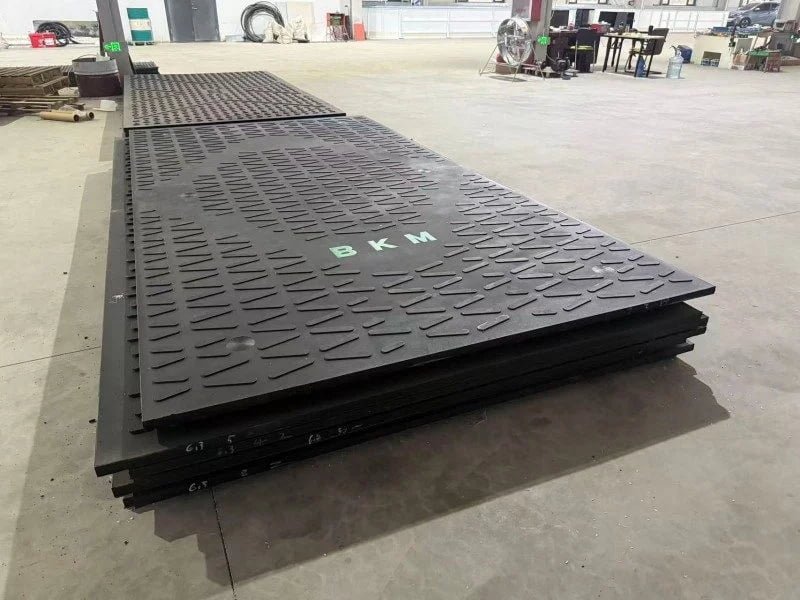
Use a solid wear-resistant panel. Our UHMWPE body provides a durable polymer surface for suitable equipment access. It resists moisture and does not rot, supporting recovery and repeated use while the panel remains serviceable.
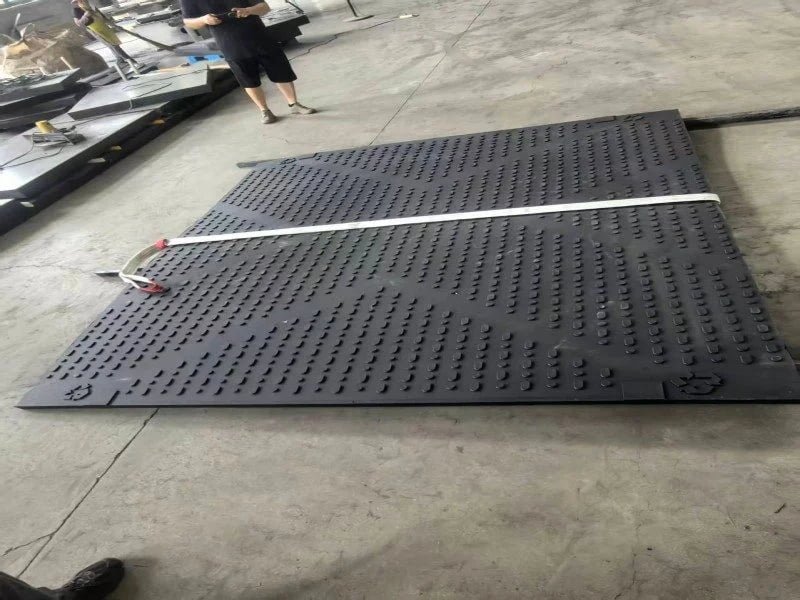
Join panels where the entrance widens. Matching two-way and four-way arrangements can serve the specified layout. Include wider approach areas so their junctions are considered in the component order.
Review the interface with existing surfaces. A panel route may meet soil, gravel or finished pavement. We review those transitions with the actual traffic and selected face so the entry is part of the system proposal.
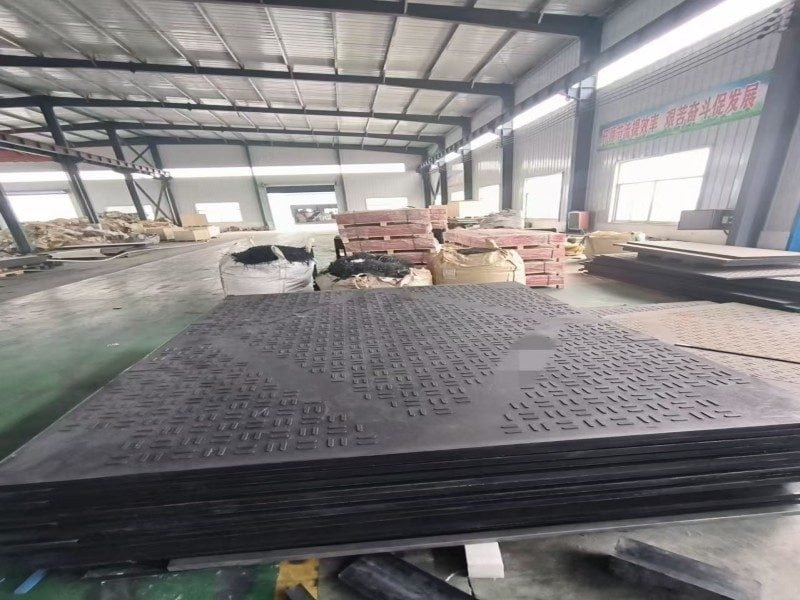
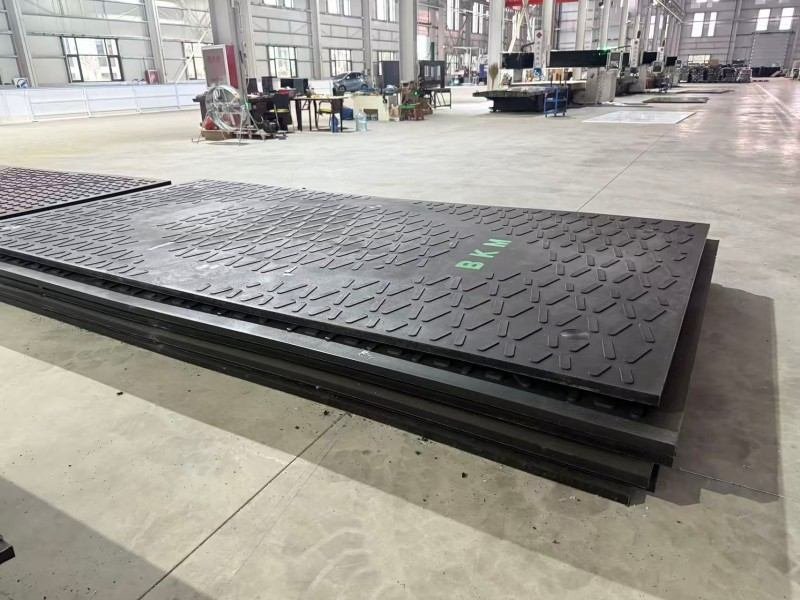
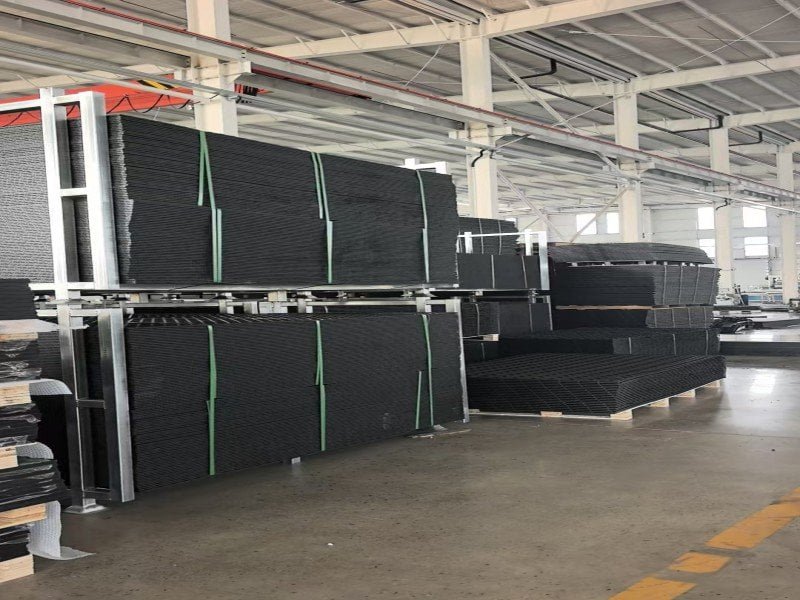
Compare panel mass with the handling plan. The reference formats weigh 293 kg and 312 kg. Mechanical placement and available unloading space are purchasing considerations from the first order.
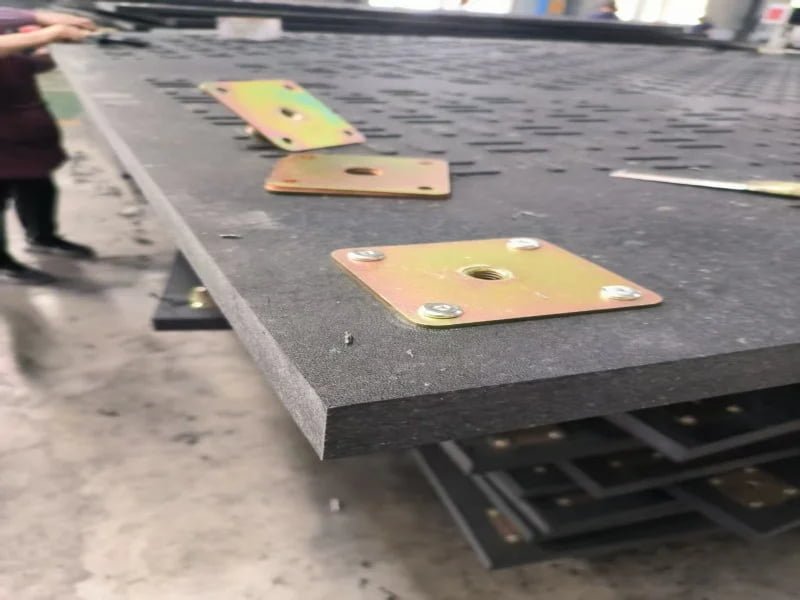
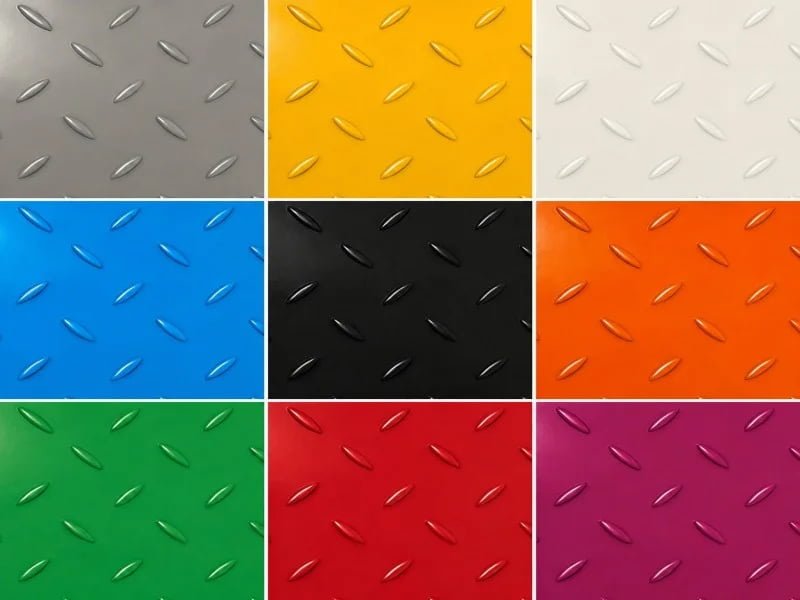
Keep the access set consistent. Agreed identification, dimensions and hole details help buyers replenish compatible stock. That supports repeated use of a documented set across changing project entrances.
Applications
Constrained construction entrances. Arrange an assessed solid-panel approach within the available gate and turning area. Confirm that the equipment’s full movement remains on the supported route.
Equipment receiving points. Extend the entrance layout toward a defined receiving area for the specified vehicles. Review unloading operations and stationary supports separately.
Industrial maintenance approaches. Supply a removable access set for equipment entering a maintenance work zone. Identify interfaces with existing pavement in the route information.
Contractor-owned entry systems. Build a traceable inventory for repeated projects, checking each new entrance and traffic duty before using the previous layout.
Solid composite access-panel references for footprint and handling comparison. These are not the 102 mm cellular roadway panels.
| Specification |
Wide solid reference |
Long solid reference |
| Material |
UHMWPE |
UHMWPE |
| Length × width |
3000 × 2500 mm |
4000 × 2000 mm |
| Body thickness |
38 mm |
38 mm |
| Overall textured thickness |
48 mm |
48 mm |
| Reference panel weight |
293 kg |
312 kg |
| Nominal panel area |
7.50 m² |
8.00 m² |
| Surface arrangement |
Texture on both faces |
Texture on both faces |
| Connections |
Agree holes and matching links |
Agree holes and matching links |
Confirm layout, holes, hardware and supporting surfaces for the approach. A shared material description does not make different systems interchangeable.