Key Features & Advantages
Keep machinery off the exposed finish. Our plastic panels form a removable contact layer over supported concrete, asphalt or paving. They help limit direct tire and track contact with the driveway while keeping site traffic within the area selected for protection.
Spread contact loads over supported ground. The panel footprint helps distribute traffic loads across a larger supporting area. We match the mat specification to the equipment and ground conditions, with the driveway structure remaining part of the access assessment.
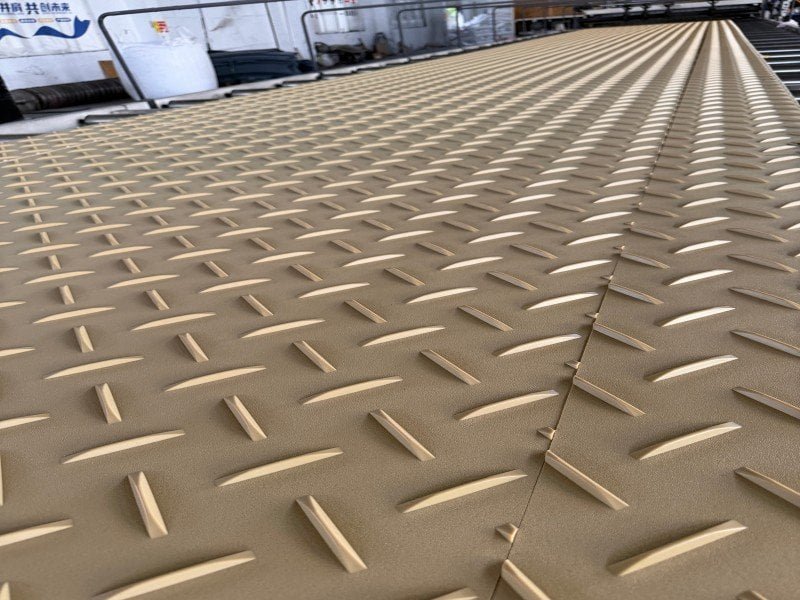
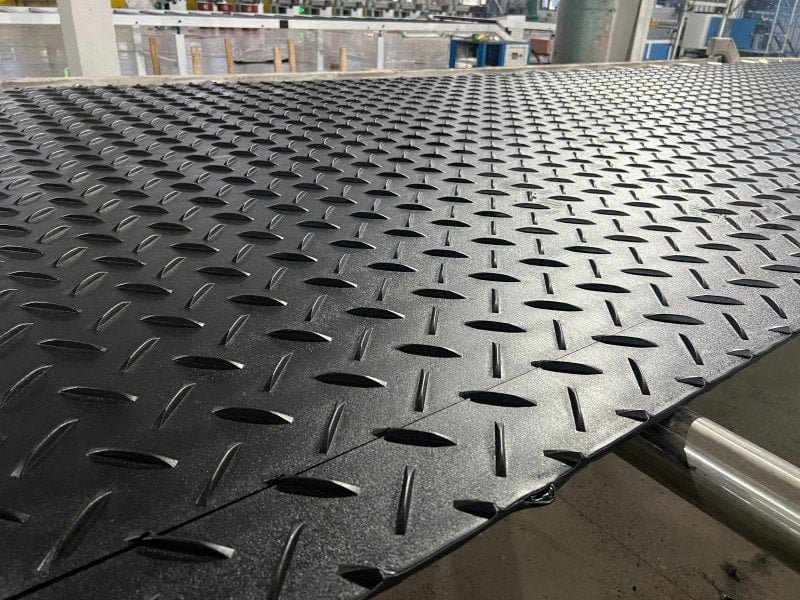
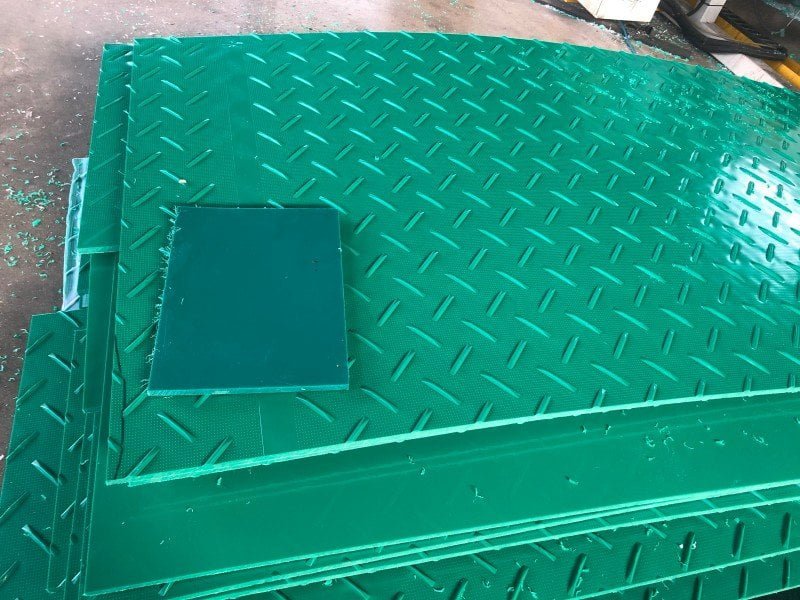
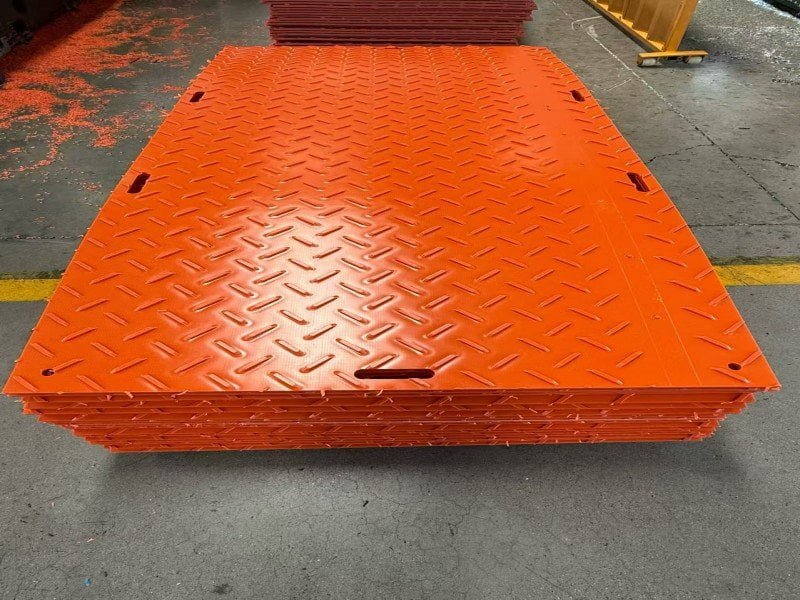
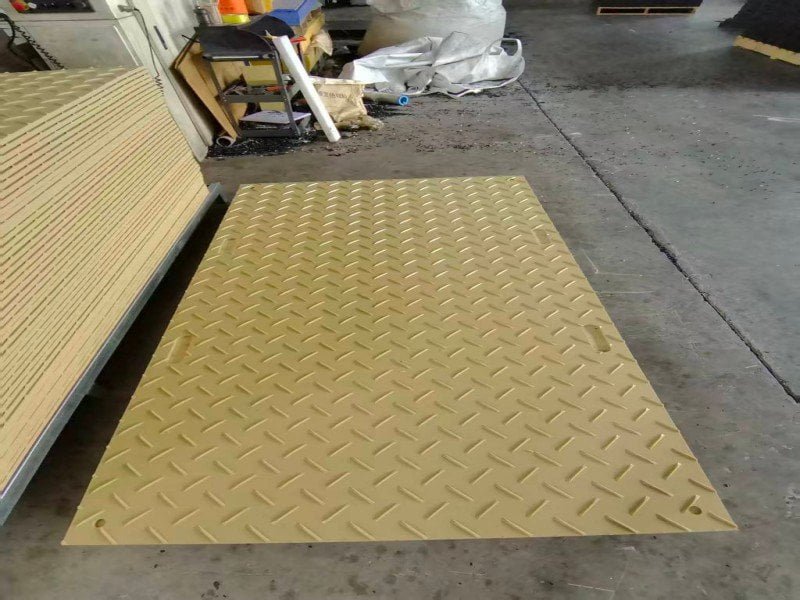
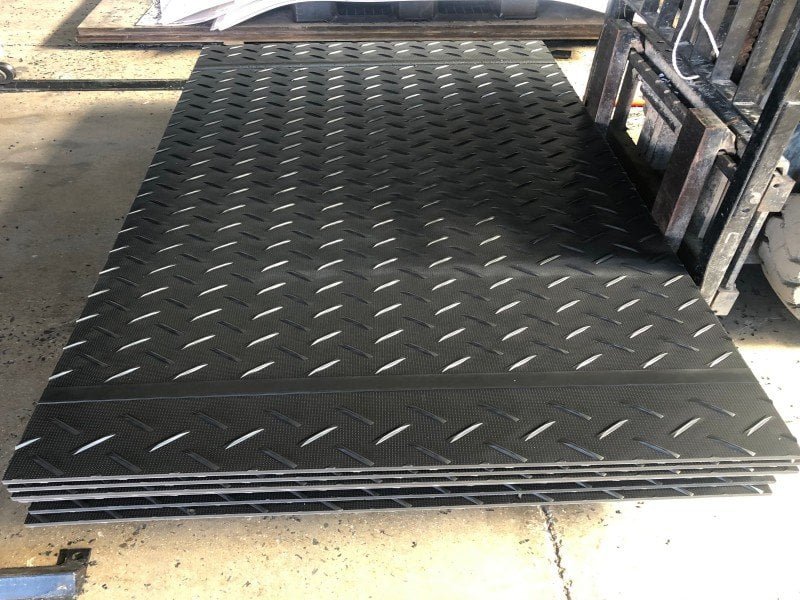
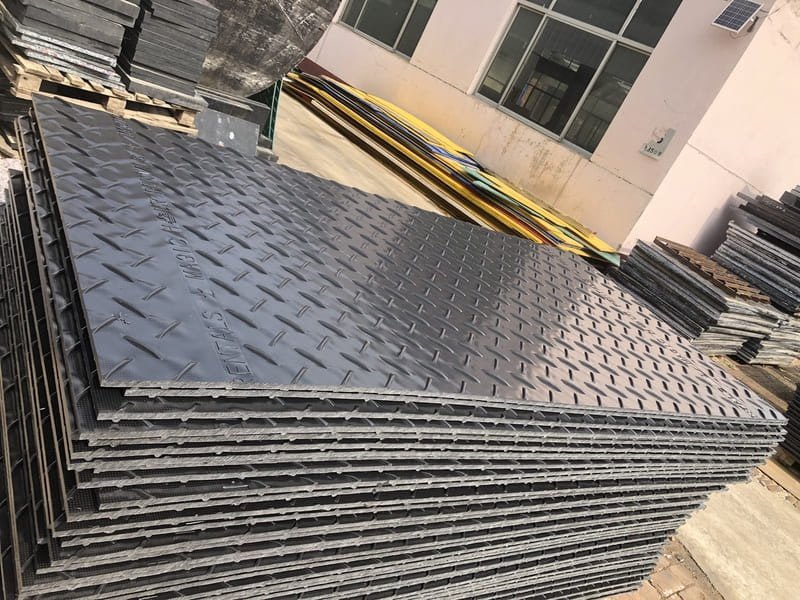
Choose the face that contacts the driveway. Single-sided and double-sided formats give buyers different surface arrangements. For a finished driveway, discuss the reverse face as carefully as the running tread so the selected profile suits the pavement and its condition.
Reuse the same set across successive properties. HDPE resists moisture and does not rot like timber. Panels can be recovered, cleaned and checked after a job, offering contractors a reusable alternative to repeatedly replacing worn wooden protection boards.
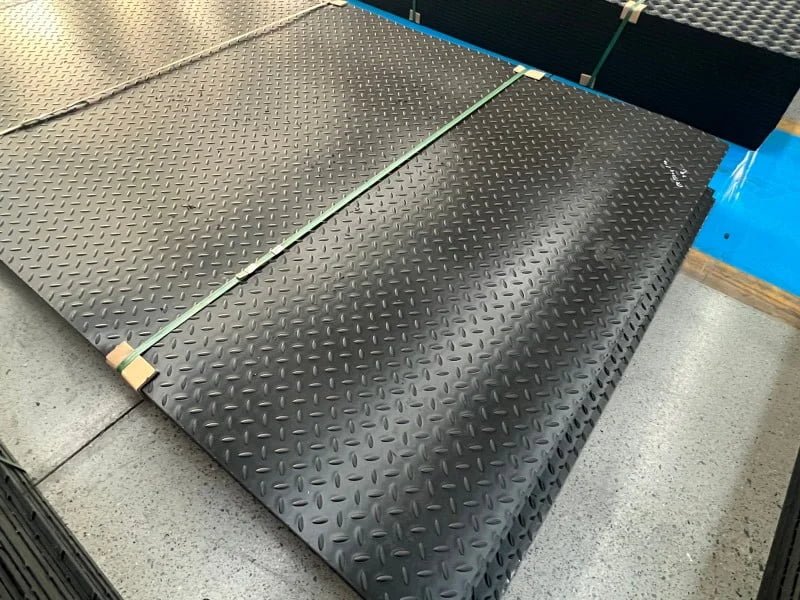
Plan coverage around the available entrance. Our reference formats include 1200 × 2400 mm and 1220 × 2440 mm panels. Specify the usable driveway width and the machine route so panel orientation and the number of connected sections reflect the actual access space.
Supply connections with the panel order. We can agree hole positions and compatible connectors together with the mats. This helps crews assemble a consistent route and order replacement panels to the same specification for later projects.
Applications
Home extensions and renovation access. Lay temporary driveway mats along an agreed approach for suitable compact equipment and material movements between the entrance and work area. Keep the protected lane in place while repeated journeys are needed, then recover it for the next property.
Backyard landscaping through an existing driveway. Provide an access strip for selected mini excavators, compact loaders and landscaping equipment crossing paved areas to reach the garden. Review the transition from the driveway to lawn or soil as part of the route.
Construction deliveries to occupied properties. Use connected panels at approved driveway approaches and unloading access points where the pavement supports the delivery vehicle. Include the loaded vehicle and its maneuvering space when requesting the mat specification.
Driveway crossings during utility improvements. Protect supported paved surfaces along the equipment approach to drainage, service or external improvement works. Where the route reaches an excavation, specify a separate engineered crossing rather than using the plastic mats as a bridge.
Reference HDPE formats for driveway access planning. Confirm the selected face arrangement, handling requirements and pavement suitability with the order.
| Specification |
Single-sided reference |
Double-sided reference |
| Material |
HDPE |
HDPE |
| Length × width |
1200 × 2400 mm |
1220 × 2440 mm |
| Body thickness |
12.7 mm |
12.7 mm |
| Overall textured thickness |
17.7 mm |
22.7 mm |
| Reference panel weight |
37 kg |
41 kg |
| Nominal panel area |
2.88 m² |
2.98 m² |
| Surface arrangement |
Texture on one face |
Texture on both faces |
| Connections |
Confirm hole and link layout |
Confirm hole and link layout |
These are separate reference configurations. Final suitability depends on the pavement condition, supporting base, loaded equipment and installation arrangement; panel thickness alone does not establish a driveway load rating.