Key Features & Advantages
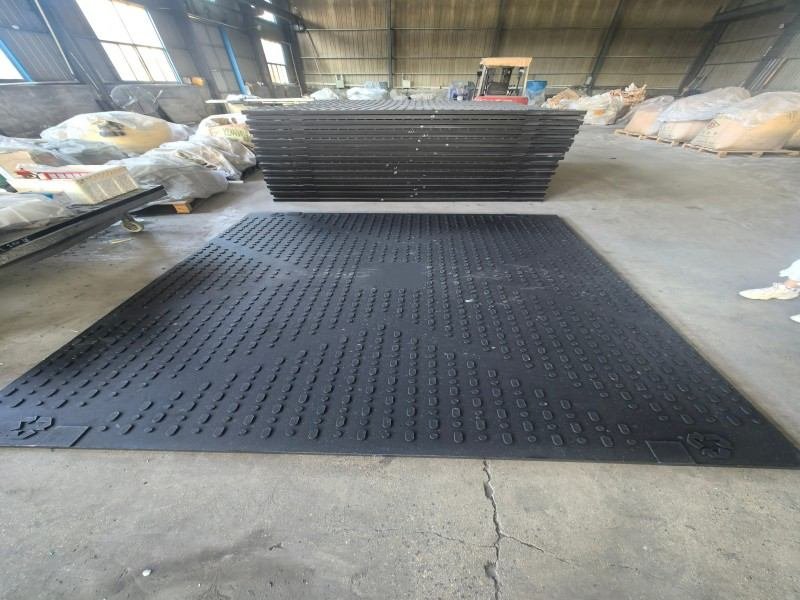
Define the crane approach. Connected panels create a planned travel surface between the access point and the designated work area. Their footprint spreads traffic loads over the supporting ground along the assessed route.
Review the travelling configuration. Mobile-crane axle details or crawler-track information guide the access enquiry. Include the actual configuration expected on arrival so the panel proposal follows the travel duty.
Account for the approach geometry. Panel dimensions and orientation can be considered around the available width and changes in direction. A simple route drawing helps identify where additional connected coverage is needed.
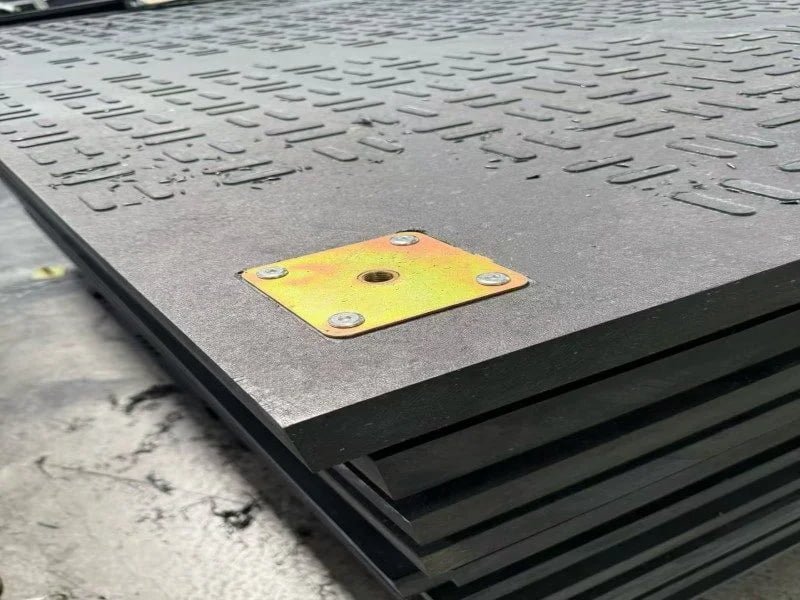
Keep adjoining route sections aligned. Two-way and four-way connection options allow the specified layout to continue or widen. The selected links and panel holes are confirmed together for the supplied system.
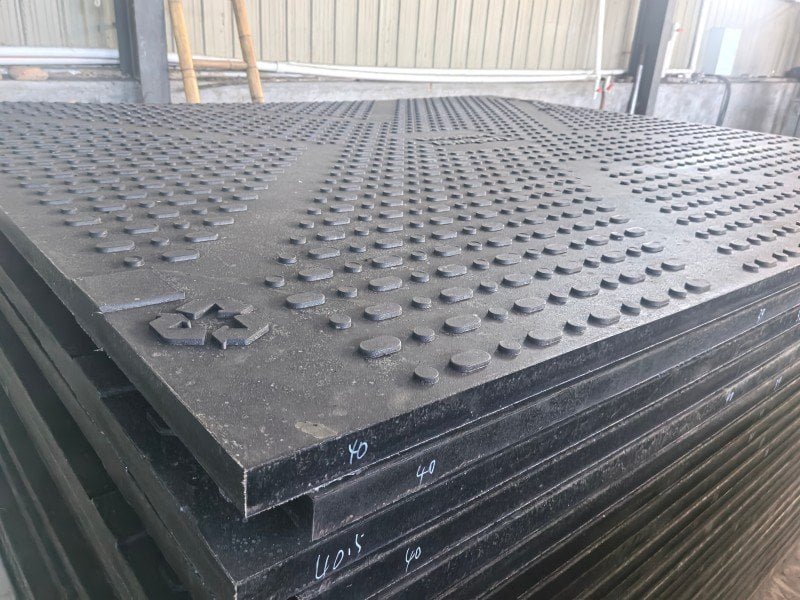
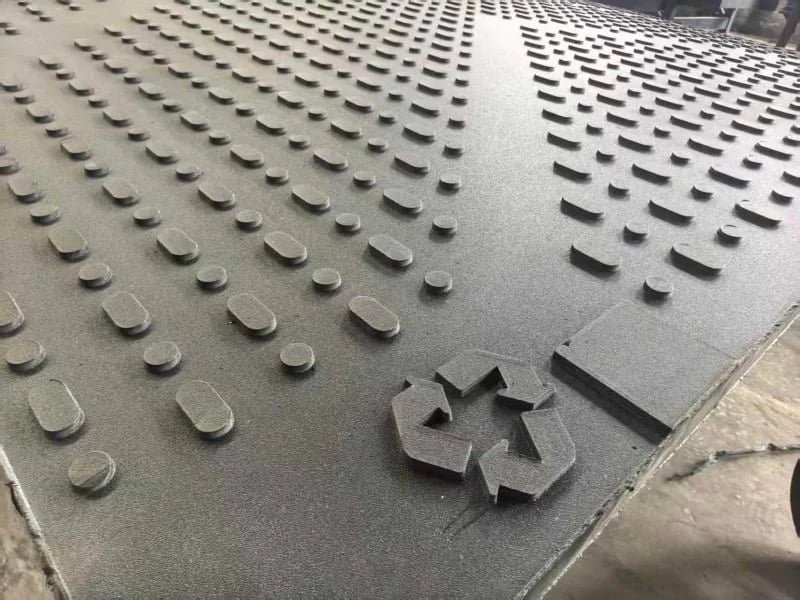
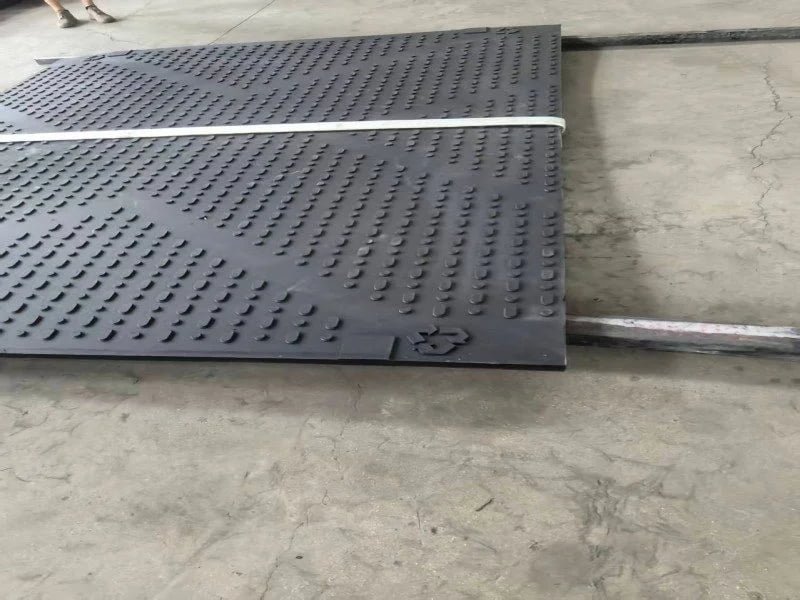
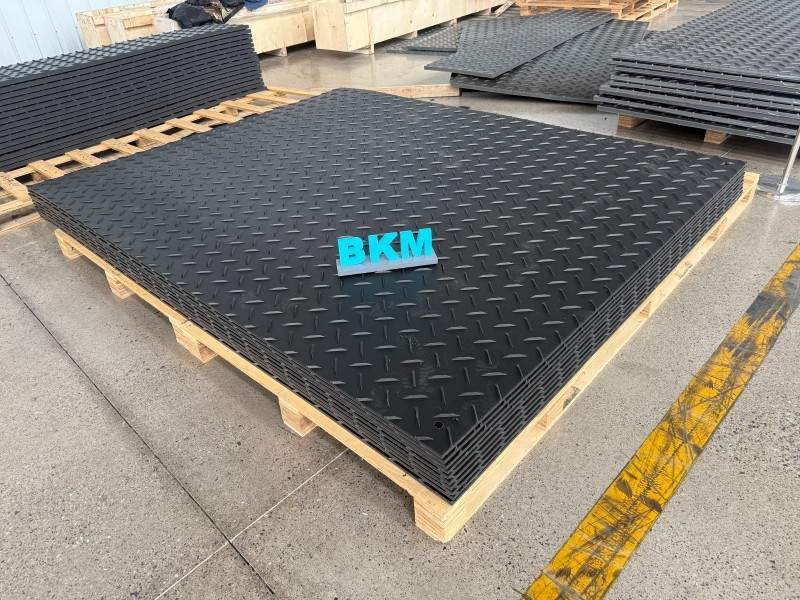
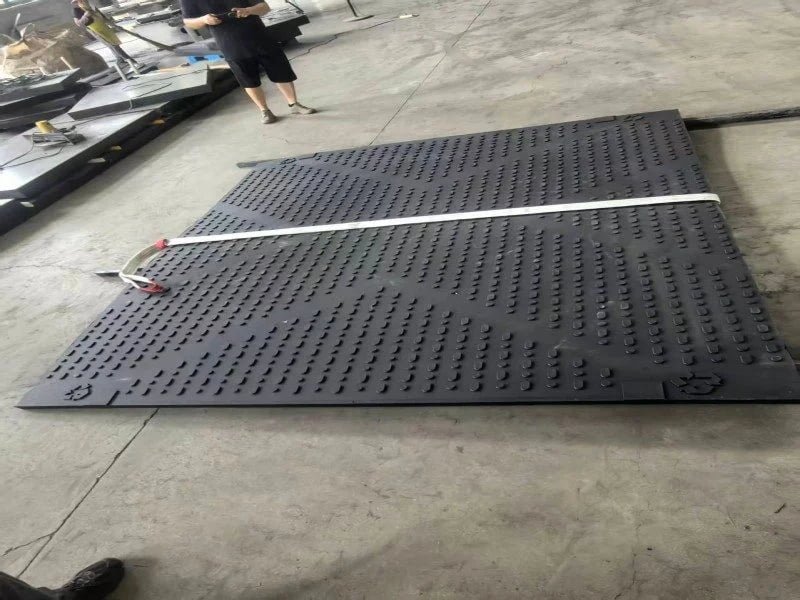
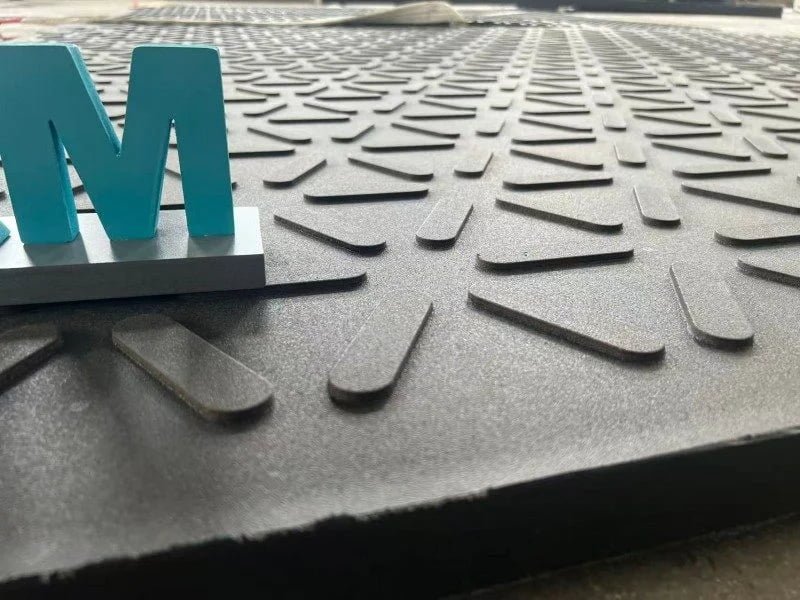
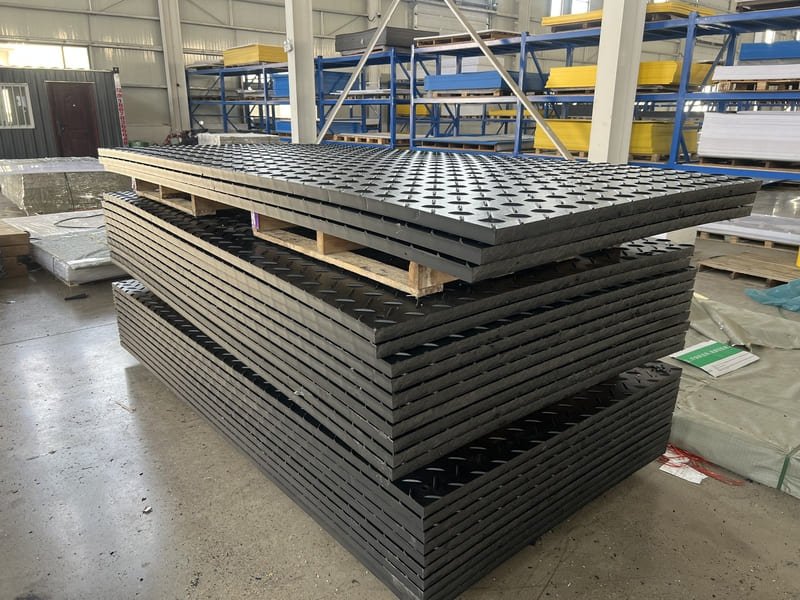
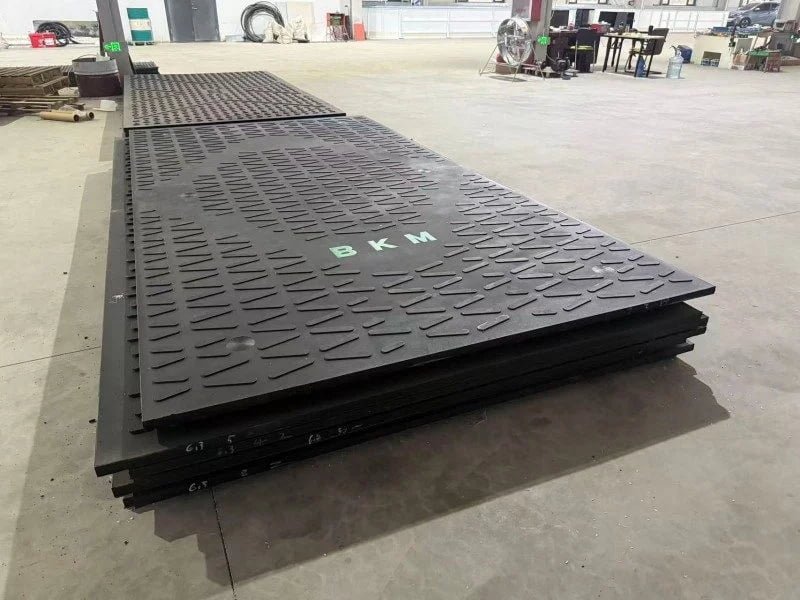
Use a recoverable polymer route. Solid UHMWPE resists wear and water and can be cleaned after access work. A reusable panel inventory gives crane-access contractors material to inspect and redeploy for later projects.
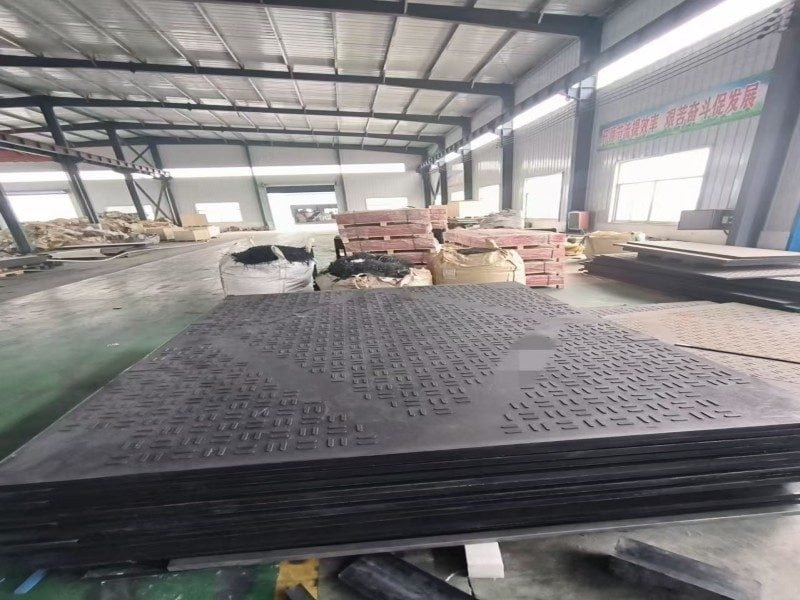
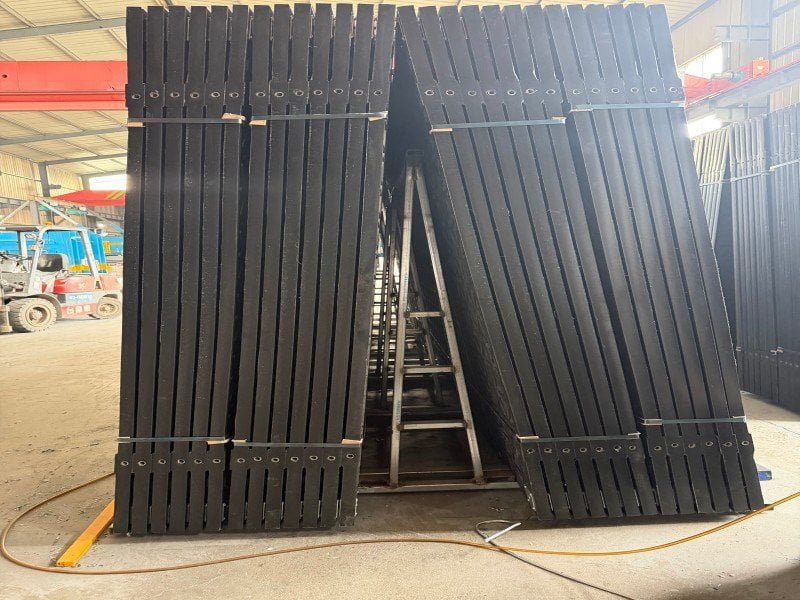
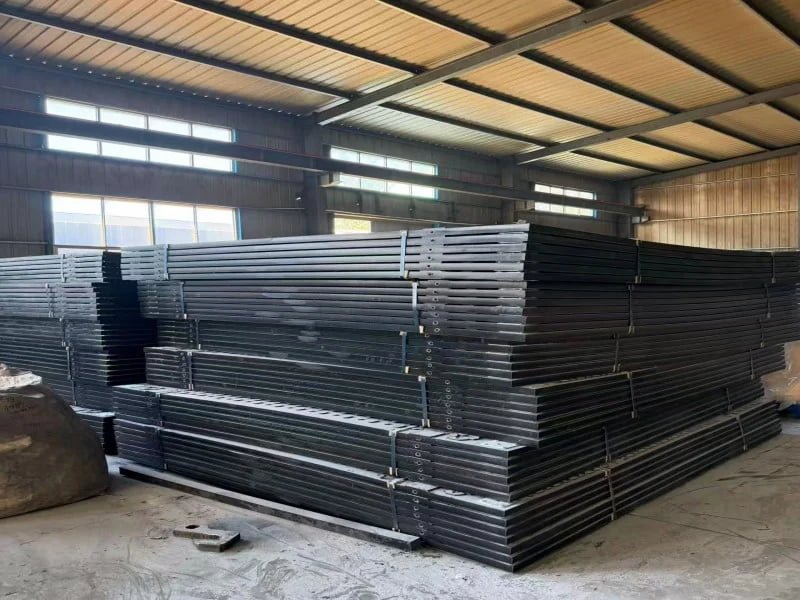
Coordinate supply with installation equipment. Large panels require planned mechanical handling. Agree pack dimensions, unloading access and the approved handling arrangement before the crane-access window begins.
Applications
Mobile-crane approaches to construction projects. Provide an assessed route from the site entrance toward the lifting area. Include loaded travel axles and steering requirements in the access brief.
Crane delivery to energy construction sites. Form temporary access over supported unfinished ground for the agreed crane configuration. Plan the route and the final lifting position as separate requirements.
Crawler-crane relocation corridors. Consider solid panels for a specific crawler transit movement after reviewing tracks, ground support and direction changes. Do not infer travel-with-load capability from a panel size.
Repeat access for industrial maintenance. Supply a recoverable route where a crane must return during maintenance shutdowns. Retain the approved configuration and inspect the panels before subsequent deployments.
Reference solid formats for crane-access proposals. Both are mechanically handled panels; final route suitability depends on the travelling machine and supporting ground.
| Specification |
Wide solid panel |
Long solid panel |
| Material |
UHMWPE |
UHMWPE |
| Length × width |
3000 × 2500 mm |
4000 × 2000 mm |
| Body thickness |
38 mm |
38 mm |
| Overall textured thickness |
48 mm |
48 mm |
| Reference panel weight |
293 kg |
312 kg |
| Nominal panel area |
7.50 m² |
8.00 m² |
| Surface arrangement |
Texture on both faces |
Texture on both faces |
| Connections |
Agree holes and matching links |
Agree holes and matching links |
These dimensions describe access panels. They do not specify outrigger-pad capacity, a lifting platform or approval for pick-and-carry operations.