Key Features & Advantages
Specify by duty instead of project size. A large contract does not make every access section identical. We review the vehicles, ground and traffic on each route before proposing portable or heavy solid panels.
Build a measurable supply schedule. Confirmed panel dimensions, nominal area and weight support the bill of materials. Identify the areas needed concurrently so the procurement quantity reflects the working project.
Reuse panels across completed phases. Recoverable polymer mats can transfer from released sections to later work after cleaning and inspection. This allows the purchasing team to plan around reusable stock rather than automatically buying for every phase at once.
Keep panel and accessory records aligned. Agree each format’s hole layout and matching hardware. Clear specifications help receiving teams distinguish packages intended for different route duties.
Prepare for changes in site traffic. Retain the selected configuration and vehicle information in the order record. When a heavier fleet or a different movement is introduced, the affected access section can be reviewed.
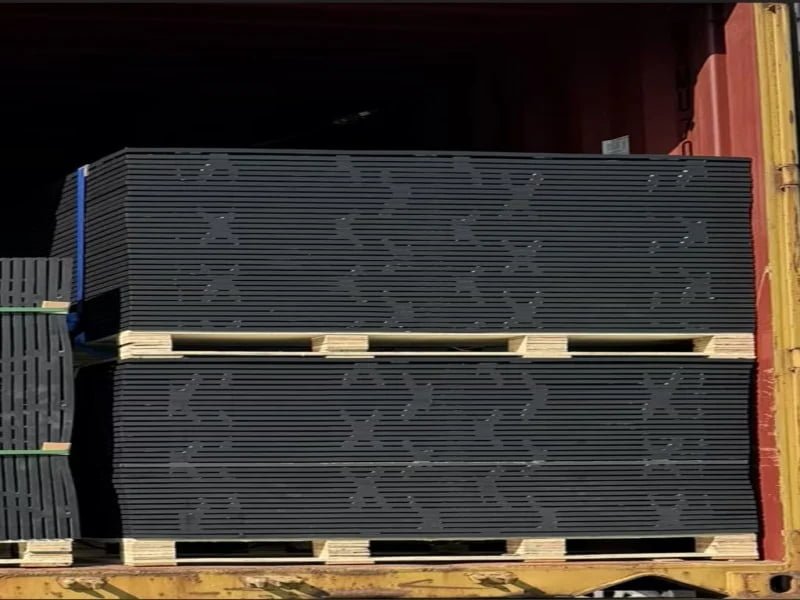
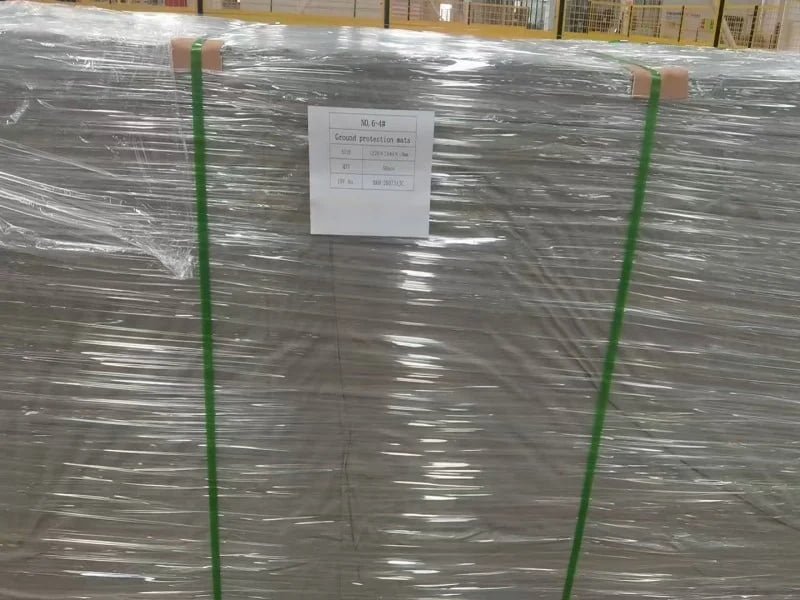
Coordinate supply with project receiving. Pack identification, unloading equipment and receiving locations are part of the order discussion. These details matter when access materials arrive at several fronts rather than one central yard.
Applications
Earthwork and riverbank projects. Specify heavy solid panels for assessed repeated haul traffic and separately select lighter service access where suitable. Include the supporting-ground conditions for each section.
Transport infrastructure construction. Provide recoverable routes into approved work areas during phased construction. Identify interfaces with existing roads and any engineered crossings separately.
Water and utility infrastructure projects. Allocate suitable mat sets between construction access and maintenance movements. Update the route requirements as the work sequence changes.
Multi-front civil contracts. Supply identified panel packages for areas that operate concurrently. Plan reallocation around the actual release of completed sections.
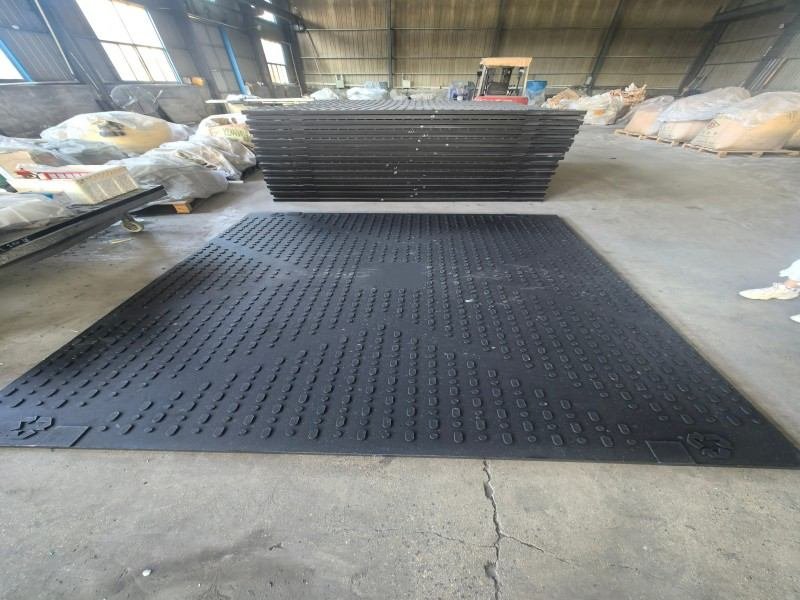
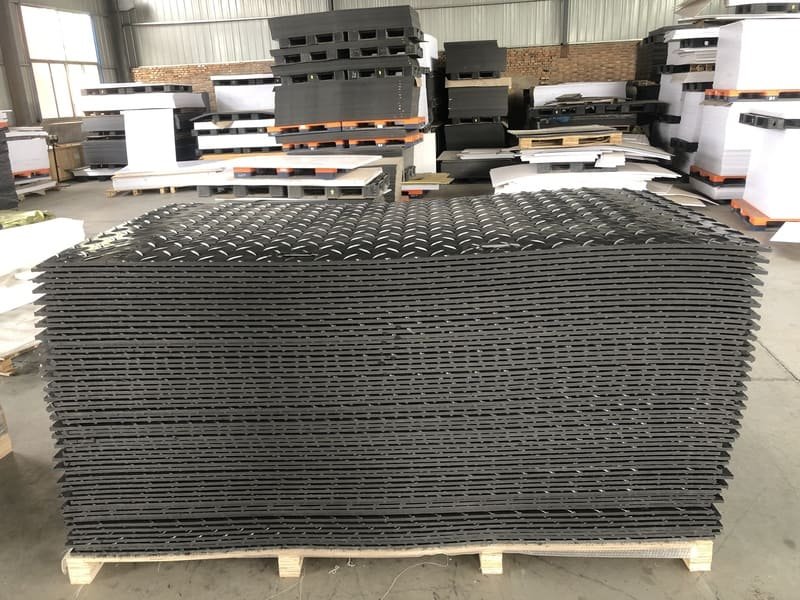
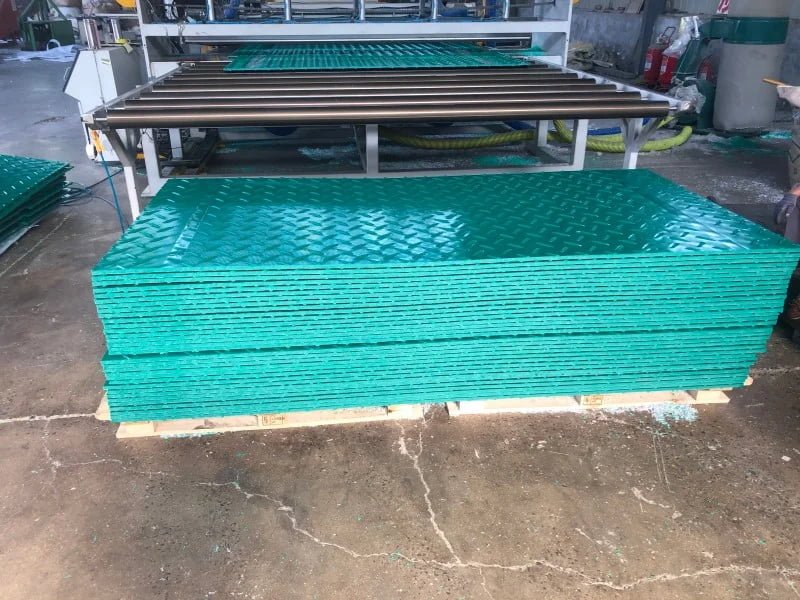
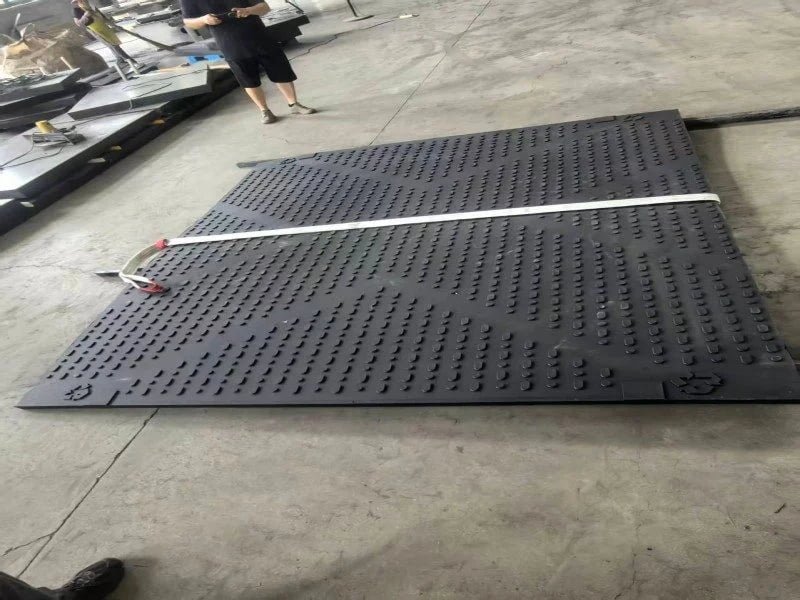
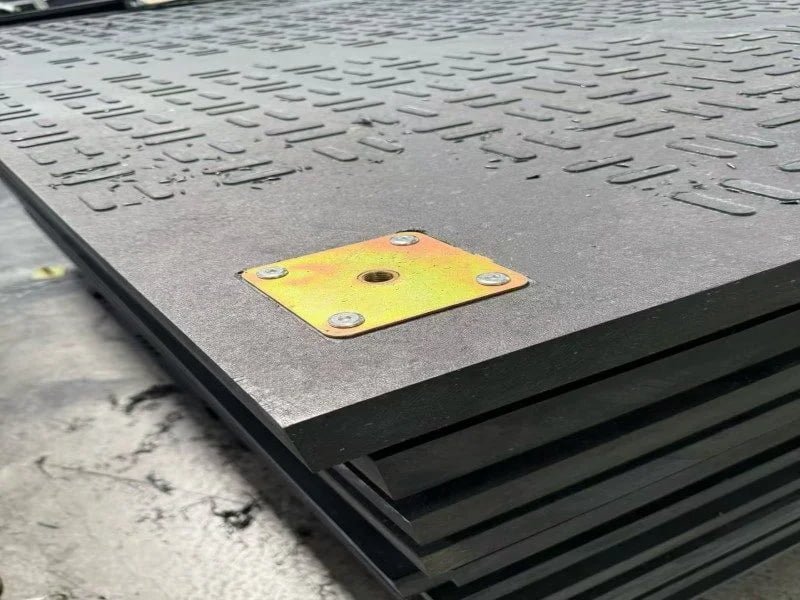
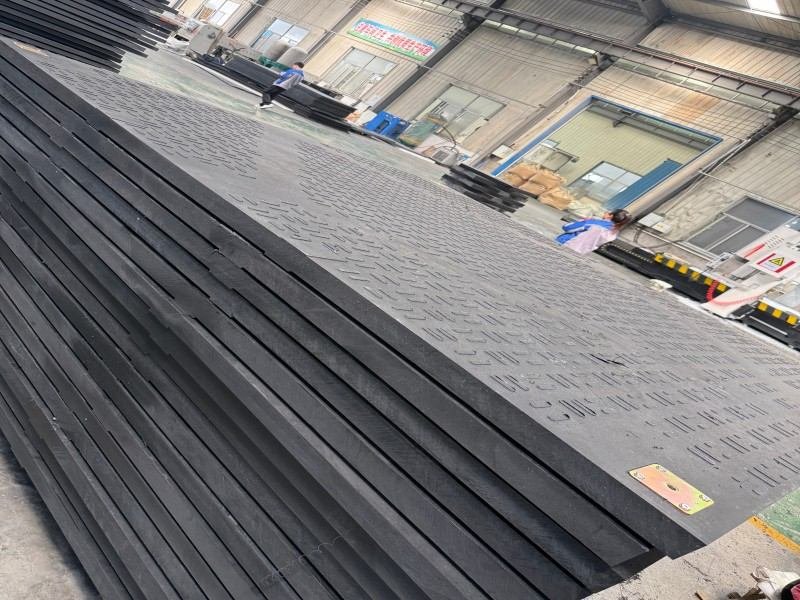
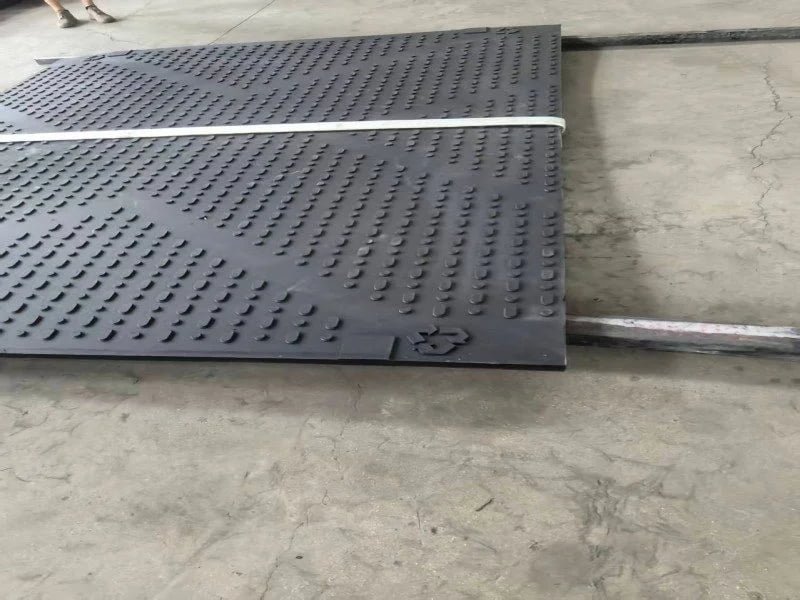
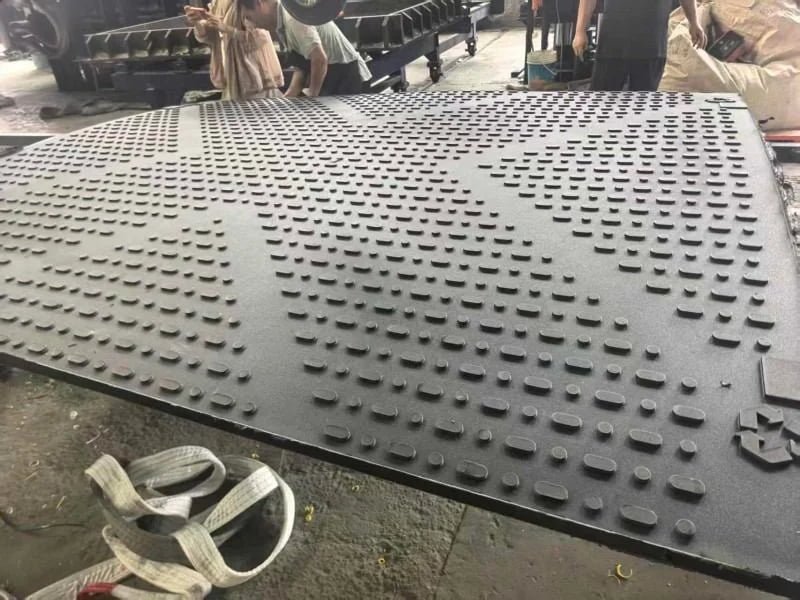
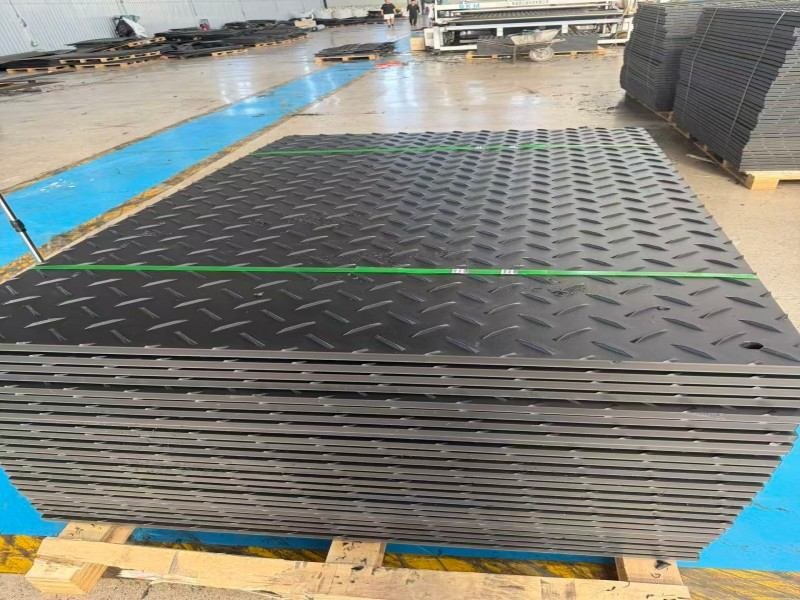
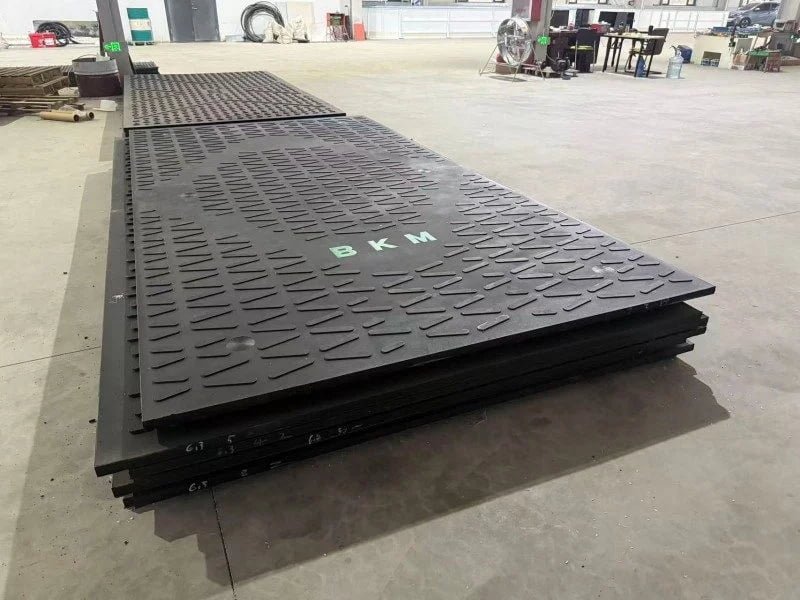
Two reference formats for separately assessed project duties. The comparison supports procurement and handling planning rather than a common load rating.
| Specification |
Service-route reference |
Heavy-route reference |
| Material |
HDPE |
UHMWPE |
| Length × width |
1220 × 2440 mm |
4000 × 2000 mm |
| Body thickness |
12.7 mm |
38 mm |
| Overall textured thickness |
22.7 mm |
48 mm |
| Reference panel weight |
41 kg |
312 kg |
| Nominal panel area |
2.98 m² |
8.00 m² |
| Surface arrangement |
Texture on both faces |
Texture on both faces |
| Connections |
Agree holes and matching links |
Agree holes and matching links |
Assign each configuration to an agreed route duty. Confirm any transition between different thicknesses and connection systems on the project drawings.