Key Features & Advantages
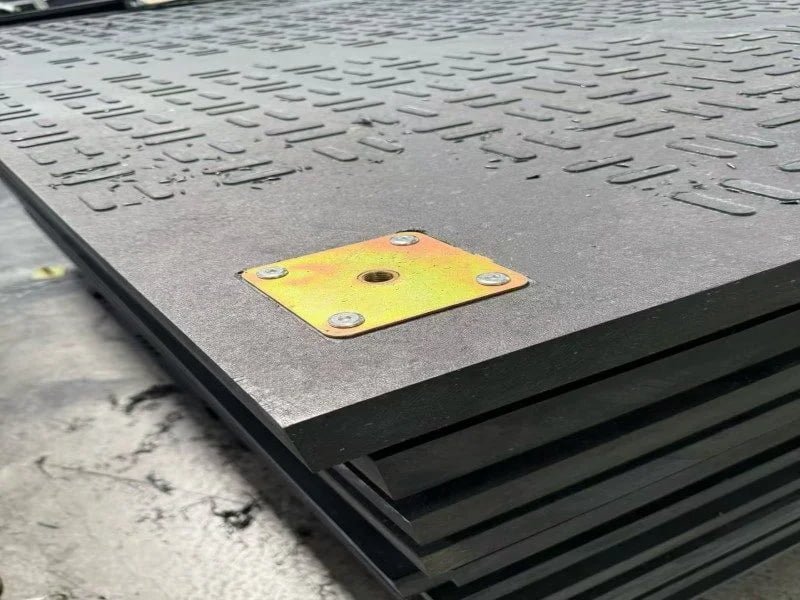
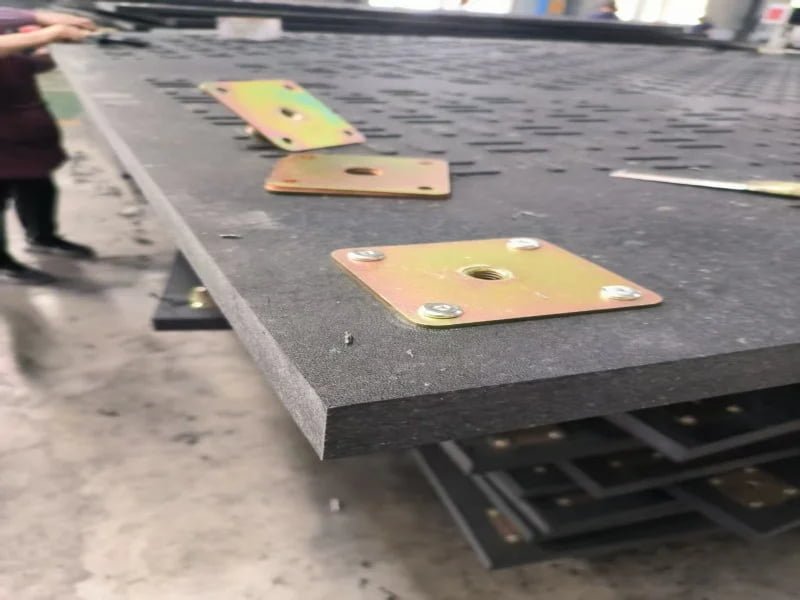
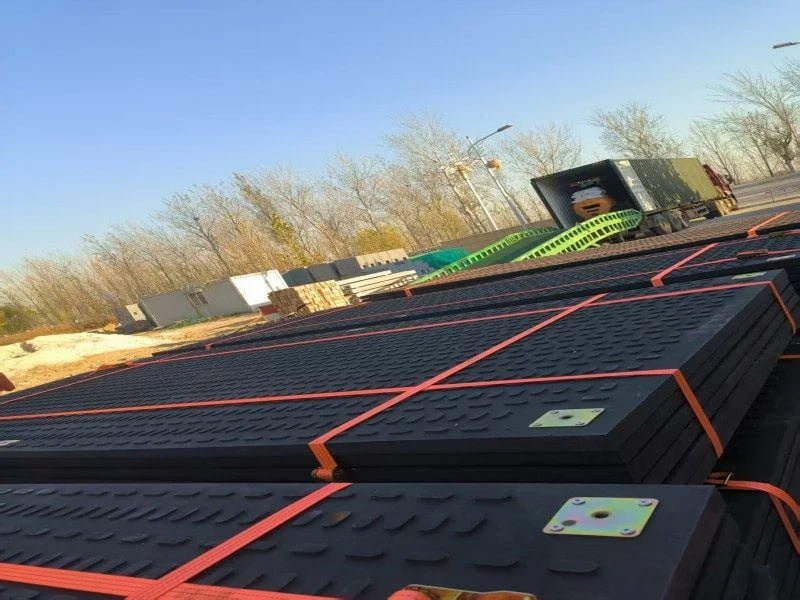
Match the connector to the panel. We review connection holes and compatible links together. That gives the purchasing team an agreed system specification instead of a set of mats that requires improvised joins on arrival.
Plan straight sections and wider junctions. Two-way and four-way arrangements serve different panel junctions. Include the route width and grid layout with the enquiry so the supplied connection mix reflects the areas being assembled.
Keep a continuous protected route. Connected panels help maintain alignment between adjoining sections during the specified traffic. The system still needs suitable support beneath it; links are part of the route design rather than a substitute for the ground.
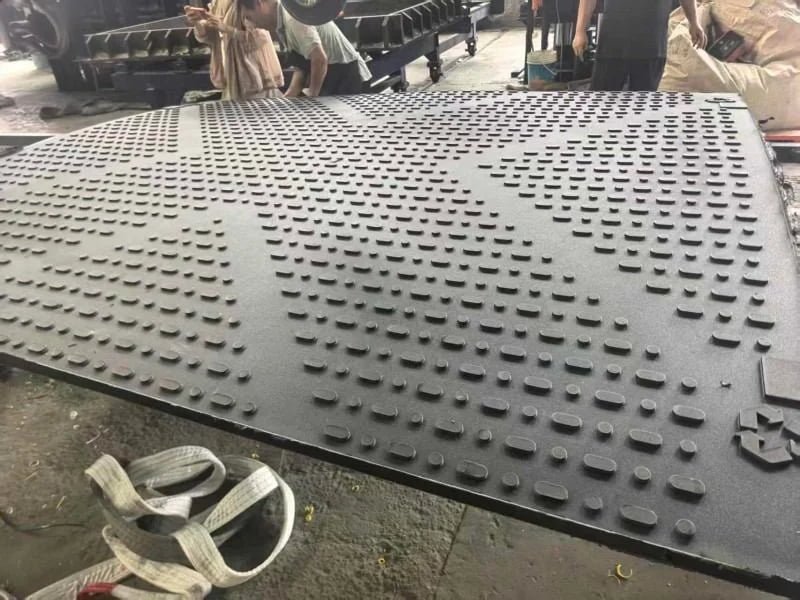
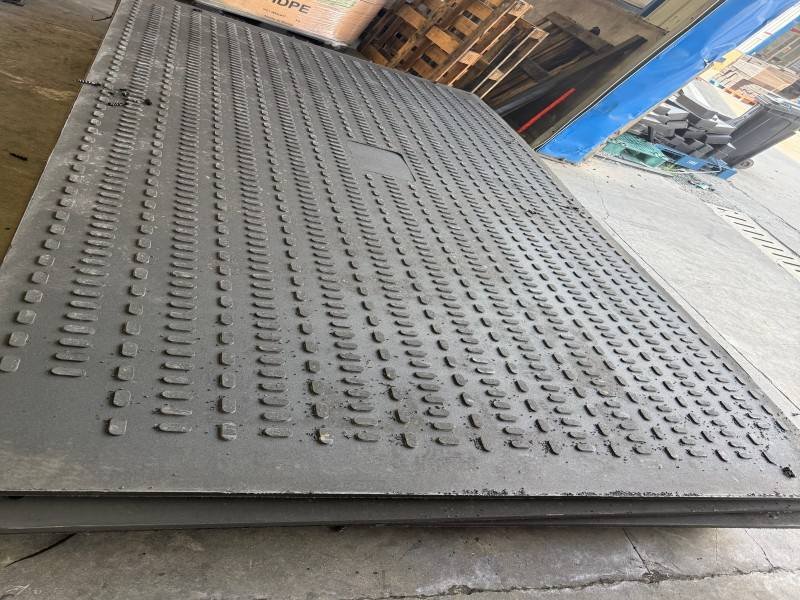
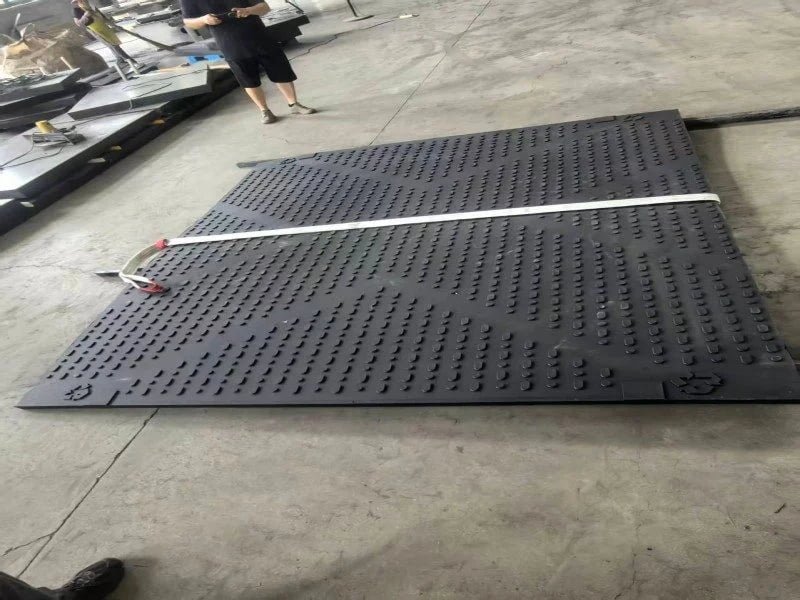
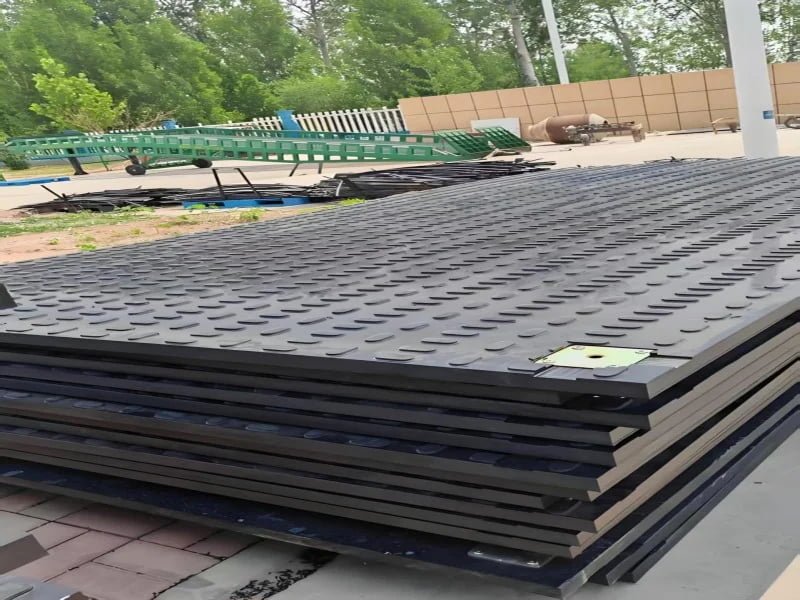
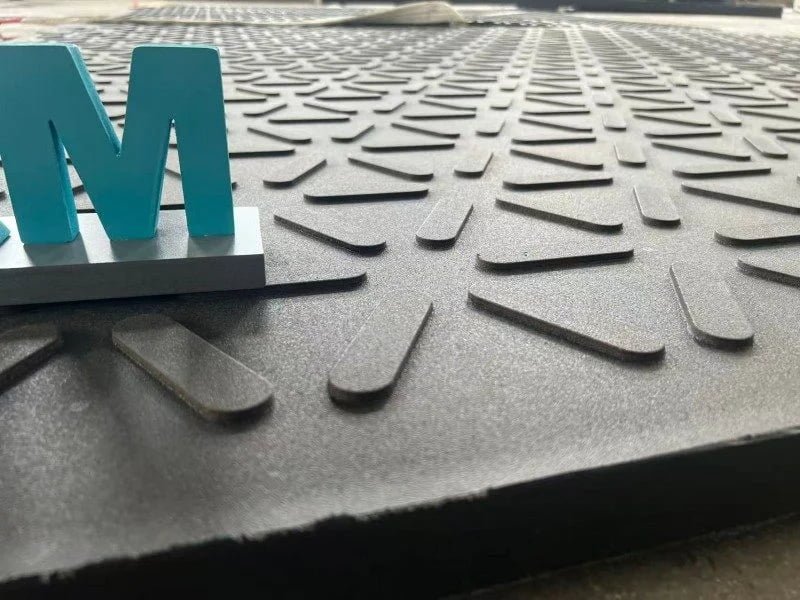
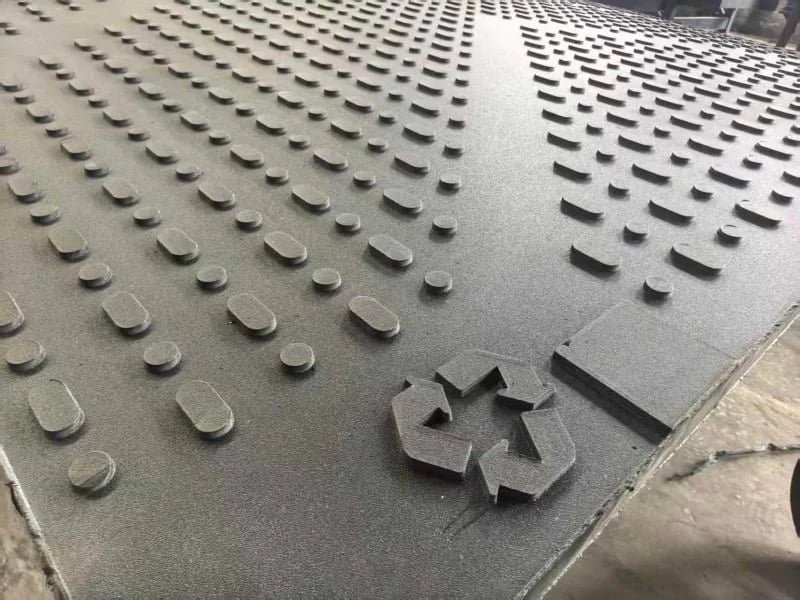
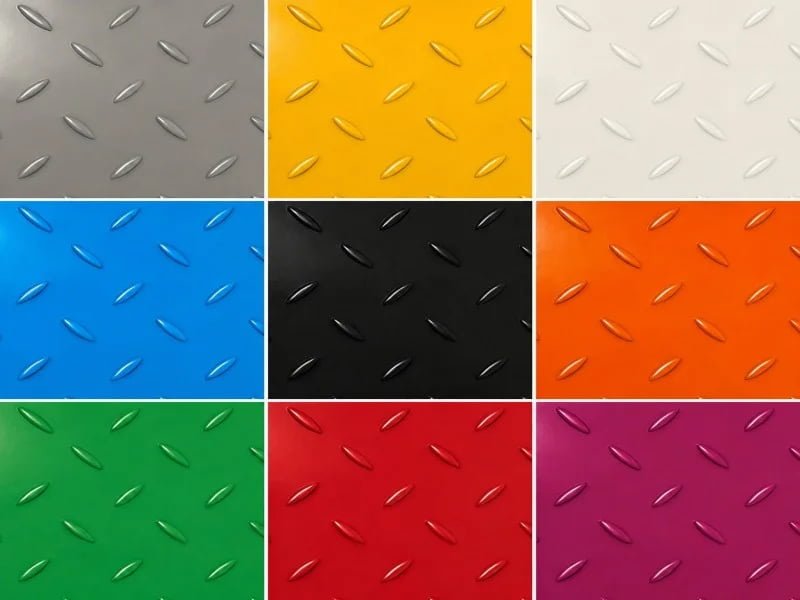
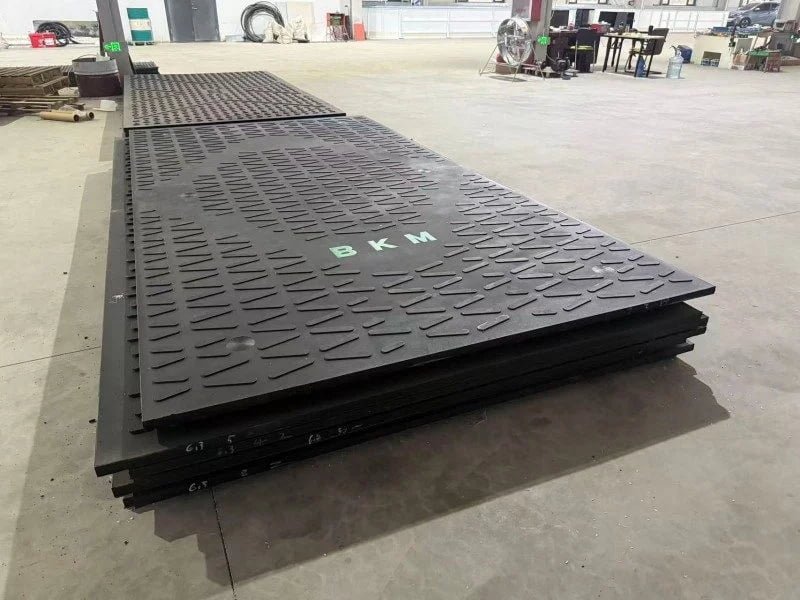
Choose the panel body for the duty. Portable HDPE and thick UHMWPE panels offer different footprints and handling requirements. We specify the body, texture and connection arrangement together so a buyer can compare complete configurations.
Recover parts for the next layout. Reusable plastic panels and separately specified connectors support dismantling and reconfiguration. Clean and inspect the components during recovery so the next installation starts with usable panels and a complete hardware set.
Make replacement purchases traceable. Retain the approved panel drawing, hole layout and connector specification with your order records. These details help us review replacement requests, even when a later project needs a different quantity or layout.
Applications
Contractors extending temporary access roads. Add specified panels as a route progresses toward the work front. Review the new length, width and traffic before ordering the additional mats and connection hardware.
Equipment staging and wider access areas. Assemble a connected grid where panels meet at multiple junctions. Plan turning space and ground preparation with the layout instead of relying on stronger links to compensate for an unsuitable route.
Rental stock with repeat assembly. Standardize the panel and connector combination for repeated deployment. Keep matching components identified so returned equipment can be checked and replenished before the next hire.
Projects with multiple mat sizes. Specify each format and its joining detail before supply. Where different panels meet, confirm a supported transition rather than assuming all corner holes will align.
Two reference panel formats available for system selection. A shared product category does not mean these panels share an interchangeable connection detail.
| Specification |
Portable HDPE reference |
Heavy solid reference |
| Material |
HDPE |
UHMWPE |
| Length × width |
1220 × 2440 mm |
2000 × 4000 mm |
| Body thickness |
12.7 mm |
38 mm |
| Overall textured thickness |
22.7 mm |
48 mm |
| Reference panel weight |
41 kg |
312 kg |
| Nominal panel area |
2.98 m² |
8.00 m² |
| Surface arrangement |
Texture on both faces |
Texture on both faces |
| Connections |
Agree holes and matching links |
Agree holes and matching links |
Connector type, hole layout and quantity are confirmed for the selected panels and route. We do not assign a universal load capacity or a universal connector count to these reference sizes.