
BKM Logo
HDPE Ground Protection Mats for Heavy Civil Construction

HDPE Ground Protection Mats for Heavy Civil Construction

Track Mats
Mats for Construction Equipment
Turf Mats
Turf Mats
HDPE Ground Protection Mats for Heavy Civil Construction
excavator floor mat application
Track Mats
Mats for Construction Equipment
Turf Mats
Turf Mats
HDPE Ground Protection Mats for Heavy Civil Construction
excavator floor mat application

Portable HDPE protection for service routes within heavy civil projects

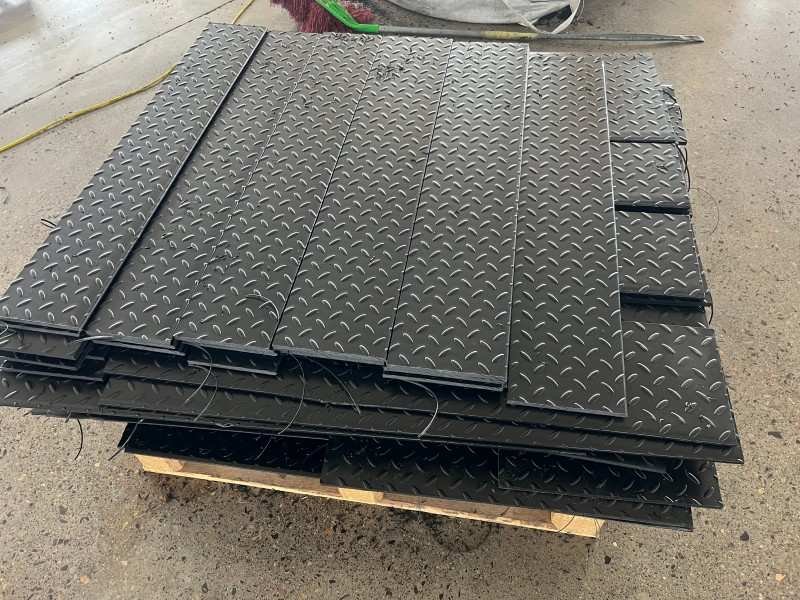
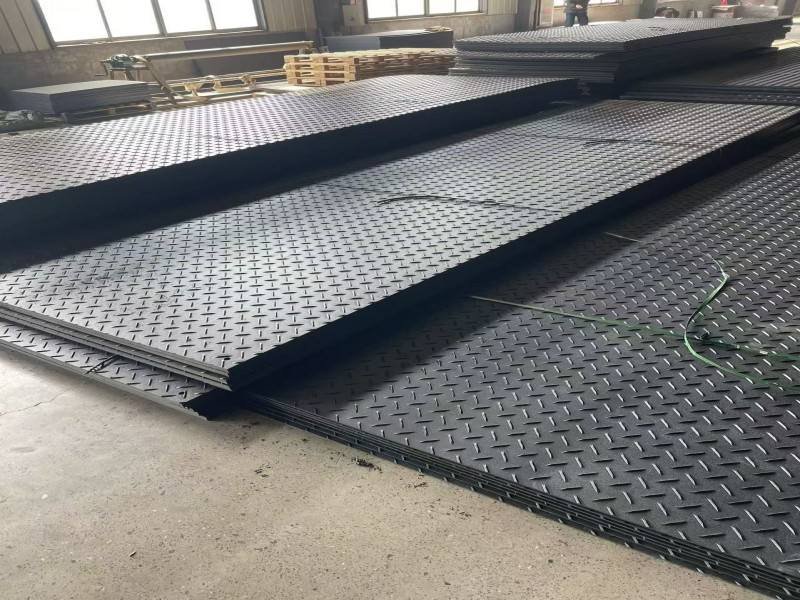
A heavy civil project does not require the same mat on every route. BKM supplies portable HDPE ground protection mats for suitable service-vehicle access, utility work and finishing operations within the larger project. The reference here is a 1220 × 2440 mm panel with a 12.7 mm body, not a large solid UHMWPE haul-road panel. We help you define the traffic assigned to the portable set and identify movements that need a different system.

Reference Price Light $37-80 | Heavy $343-730 | Cellular Core $1500-2100 Price Varies by Specs
Min. Order Qty Black 50 pcs | Colors 300 pcs | In-stock: 1 pc
WhatsApp Us
Quality Certified
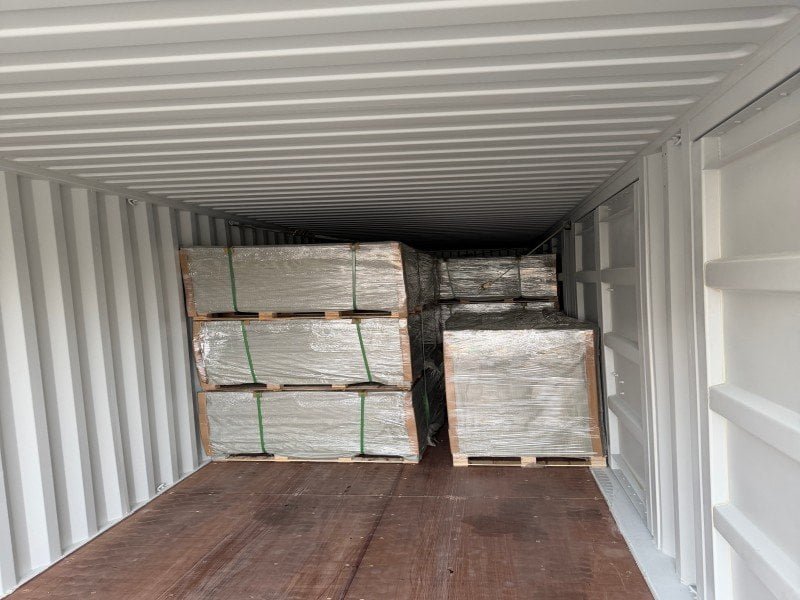
Global Shipping
Custom OEM/ODM

Product Specifications

Detailed technical specifications

Key Features & Advantages

  • Assign HDPE panels to a specific route duty. List the service vehicles and compact equipment intended to use each section, including occasional deliveries. We review those movements rather than treating the words heavy civil as a load specification. Main earthmoving routes and concentrated support areas must be considered separately from your portable service-access order.
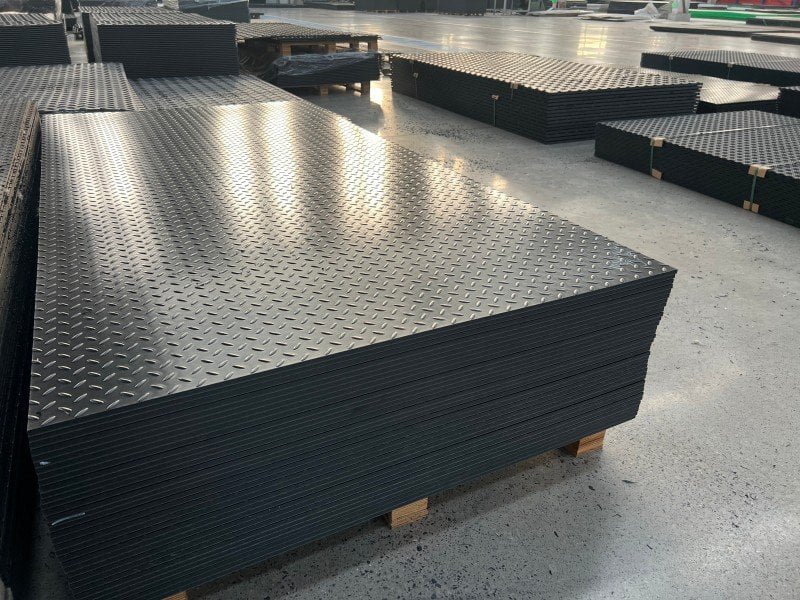
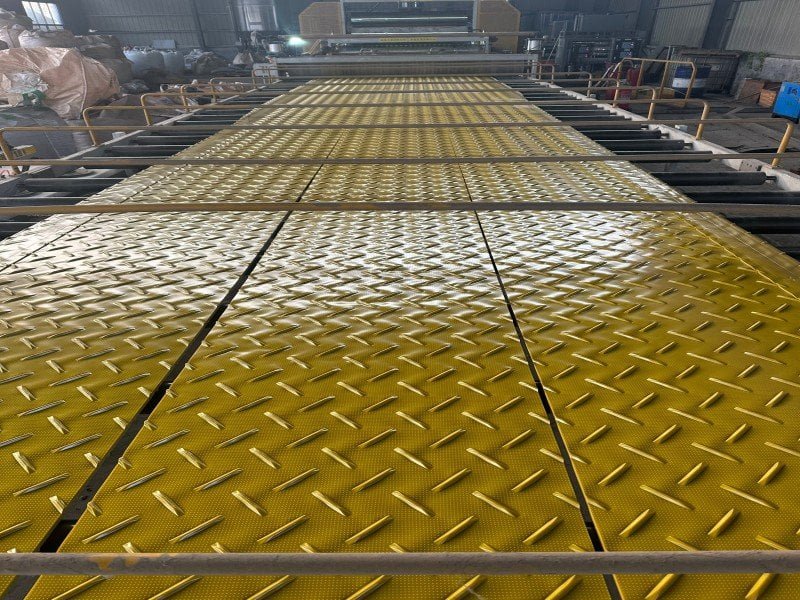
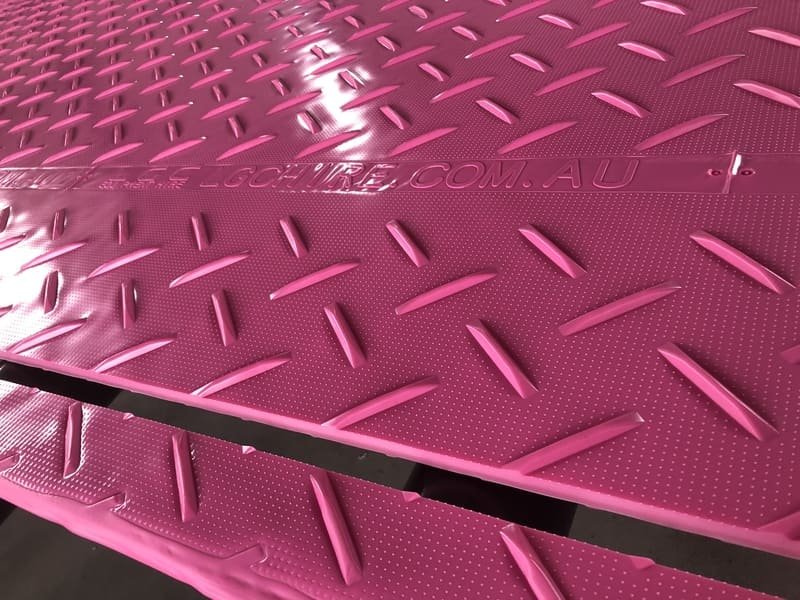
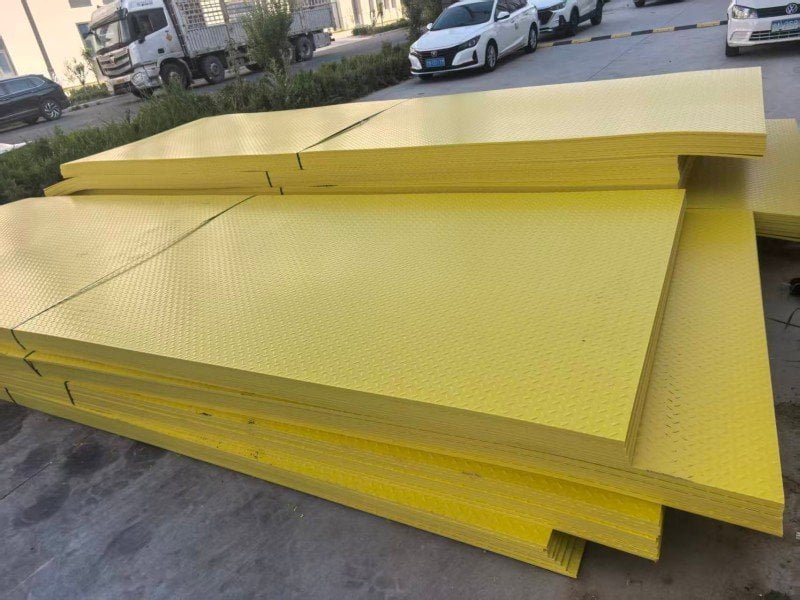
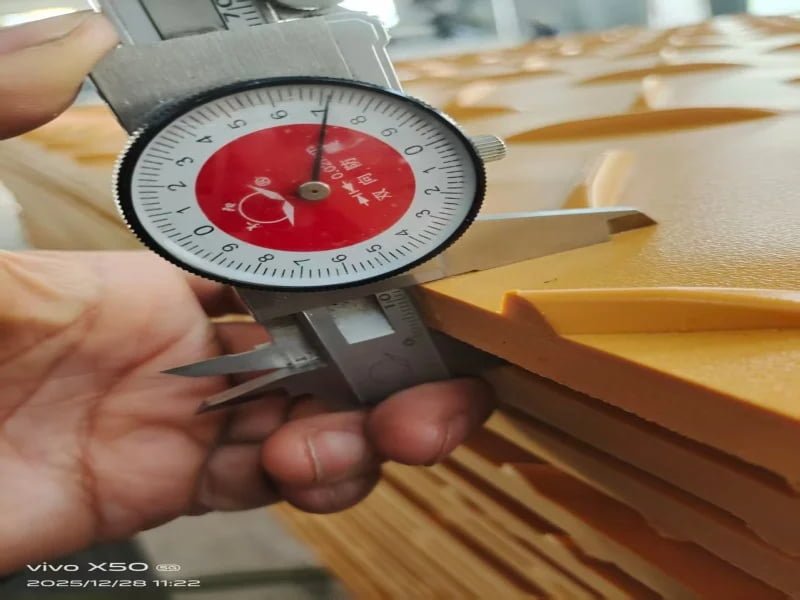
  • Use a clearly identified portable configuration. Our two-sided reference is 1220 × 2440 mm with a 12.7 mm body, approximately 22.7 mm overall profile and a weight of about 41 kg. Keep that specification on the order and site allocation record. It is not interchangeable by description with a heavy solid or cellular roadway system.
  • Keep local ground support in the selection. Review wet patches, backfill, buried-service restrictions and changes in level along the entire short route. Portable panels can protect a supported contact surface, but their presence does not verify a weak section beneath them. Resolve unsupported areas or unsuitable ground before the route is put into use.
  • Separate mixed traffic at junctions. Show where service access meets a haul road, delivery lane or work compound. Include the entrance transition and turning envelope in the layout. A heavier vehicle crossing onto the portable set needs review even for a short distance; proximity to an approved heavy route does not extend that approval.
  • Match the handling plan to repeated moves. Tell us how far panels must be carried or transported between work sections and what unloading equipment is available. We review openings and packing with that routine. Plan space for recovered stock and keep the exit accessible until the final panels have been removed.
  • Keep the surface usable through the work sequence. Clear mud and loose debris from the running face, check connections and inspect sensitive surfaces underneath where relevant. Review the route after weather changes or equipment substitution. Traction texture is not a substitute for a suitable movement plan or an independently required slip-resistance test.
  • Retain the approved scope when panels transfer. Store the selected drawing, connector details and condition record with the panel set. Before the next work section, confirm its ground and vehicles rather than carrying forward a previous route approval. We can review replenishment against your existing interfaces while keeping new operating requirements separate.

Applications

  • Civil-site compound service lanes. Use the portable set for approved service vehicles and compact equipment between established hardstanding and local work areas. Define where the lane ends and the main haul route begins. Check any heavier vehicle entering the service lane separately.
  • Drainage and utility finishing sections. Provide removable access for suitable equipment approaching work beside completed areas. Respect excavation boundaries and underground-service restrictions, and inspect support where the route crosses backfill. Relocate the panels only after the next section has been assessed.
  • Final landscaping and reinstatement access. Protect a planned route for approved compact plant moving into the finishing area of an infrastructure project. Review grass-cover duration, paved-surface contact and turns. These panels support access planning; they do not replace a tree-root protection design or authorize digging and lifting on a travel route.

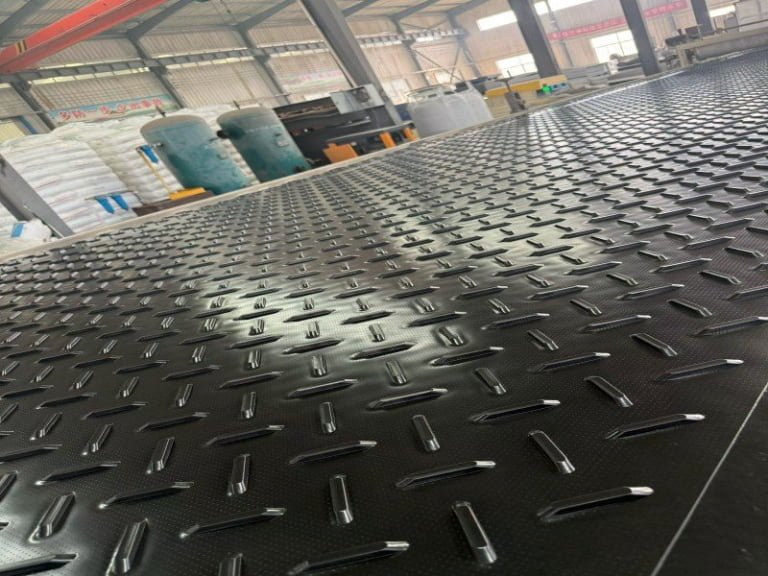
Portable HDPE service-route reference. The civil-project setting does not convert this configuration into a heavy haul-road or operating-platform specification.

Parameter Reference configuration Selection point
Material HDPE Formulation confirmed in quotation
Panel size 1220 × 2440 mm Nominal 4 × 8 ft format
Body thickness 12.7 mm Excludes raised texture
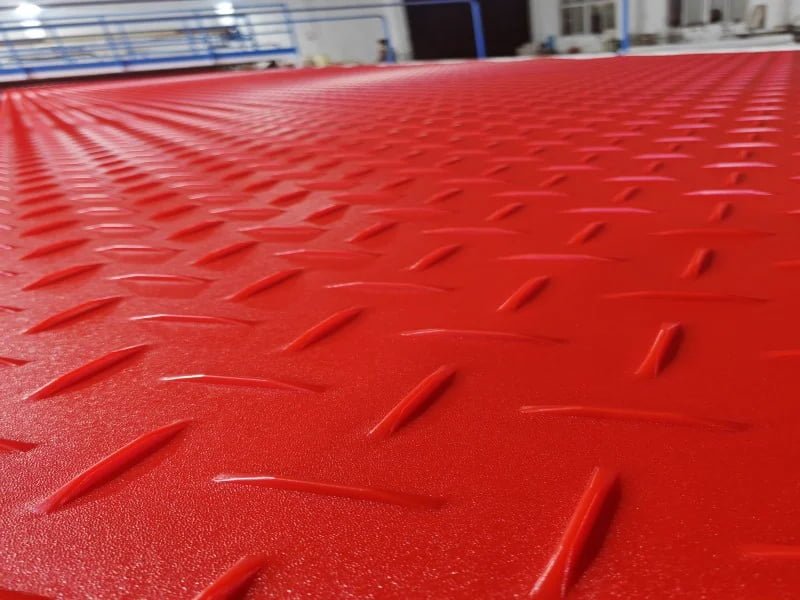
Overall thickness 22.7 mm with two textured faces Confirm face arrangement
Panel weight 41 kg Plan site handling
Connections Matched two-way or four-way options Confirm holes and hardware
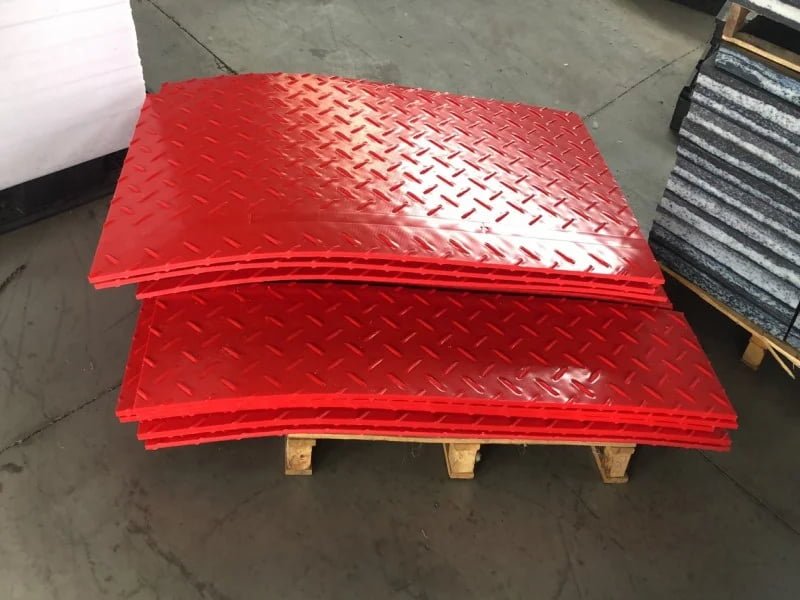
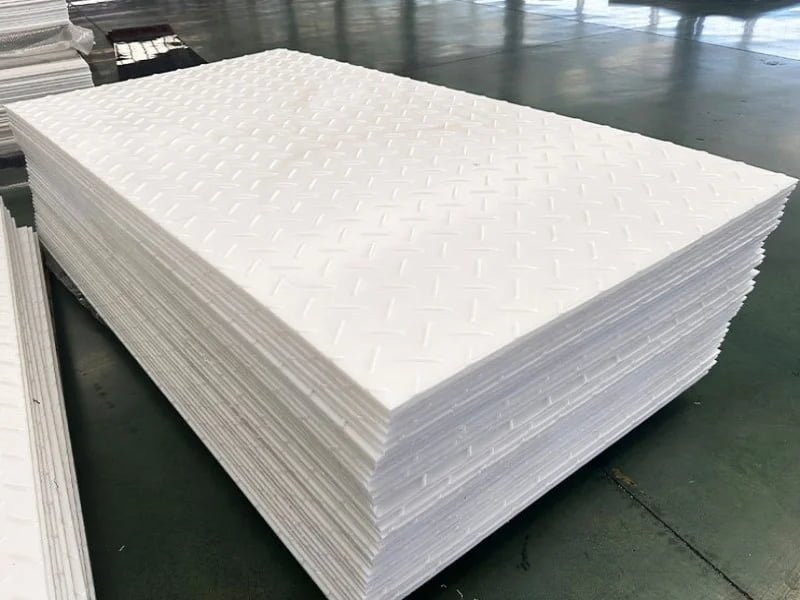
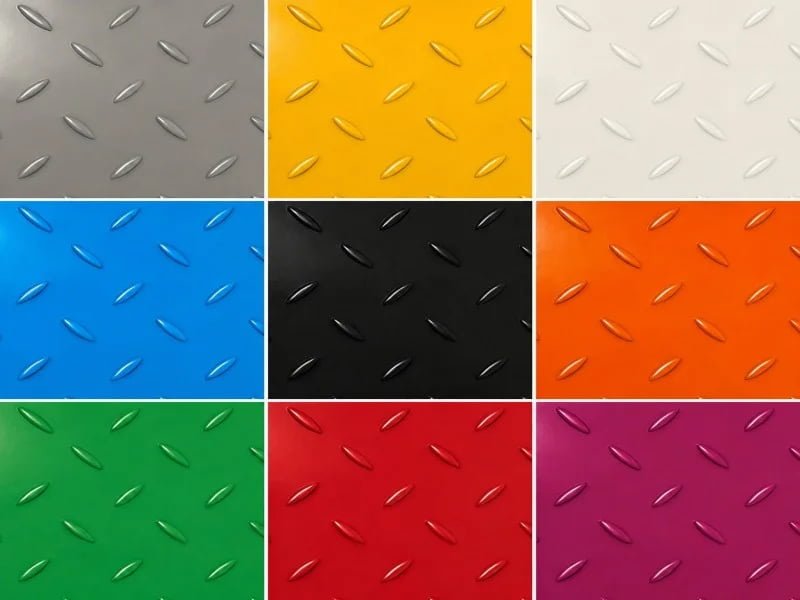
Customization Size, color, logo and hole layout Approve drawing and sample

Match the panel to the assigned route, supporting ground and actual vehicles. Digging, lifting, outriggers and unsupported spans require separate solutions. The linked utility case illustrates mobile access planning and uses its own project-specific panel thickness.

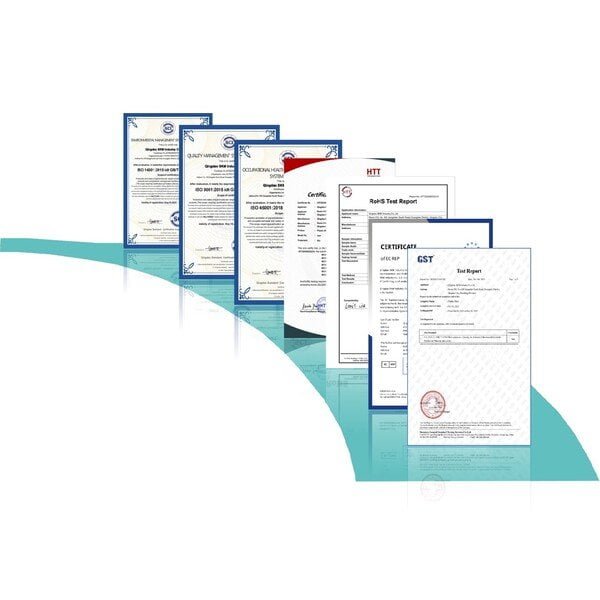
Company Certifications
Quality Assurance

Certified for Global Standards

Each batch undergoes thorough inspection on the shop floor. Raw material is tested upon arrival, as well as finished parts upon completion. Anything failing to conform to specifications is not shipped out.

ISO 9001 Quality Management

ISO 9001:2015 certification requires written processes, production control measures, and traceability of the process from initial raw material to finished part. More critically, ISO helps us maintain tolerances across multiple batches, rather than just in theory.

Food-Grade FDA Compliance

In cases of applications involving food production, only selected types of HDPE and UHMWPE materials which conform to FDA food-grade standards are used. These grades are usually utilized in cutting surfaces, guides, and wear parts.

RoHS Compliant Manufacturing

Materials comply with RoHS environmental regulations in terms of substance content restrictions. This is ensured by monitoring the components of the material, rather than the finished part.

Traceable Material Test Reports (MTR)

Material test reports available upon request include mechanical properties such as tensile strength and impact value, as well as wear information and dimensional checks.

Industry Solutions

Application Areas

Our ground protection and engineering plastic solutions are trusted across a wide range of demanding industries and environments.

Frequently Asked Questions

Different routes serve different traffic. Portable HDPE panels may suit an assessed service or finishing route even where the main project uses heavy equipment elsewhere. We define that local duty rather than assuming every mat must serve the haul fleet or every heavy-civil movement.

No. This page references 1220 × 2440 mm HDPE panels with a 12.7 mm body, approximately 22.7 mm overall profile and a weight of about 41 kg. The heavy solid UHMWPE range uses different formats, weights and handling arrangements and requires its own selection.

Assess that movement before it occurs, including loaded axle weights, tire contact, turns and the ground at the crossing. Do not assume that a brief crossing is acceptable because the route suits service vehicles. A different panel system or route arrangement may be required.

Travel and stationary operation are different duties. Digging, slewing or lifting can introduce loading not covered by a travel assessment. Provide the operating details for a separate support review; the portable access specification does not automatically approve an excavator working platform.

Only after the supporting ground and proposed traffic have been assessed. Backfill condition, settlement and buried-service restrictions remain relevant. A panel over the surface is not proof that the underlying trench has adequate support, and it must not bridge an open excavation.

Record each panel specification, compatible connectors, assigned route and operating limits. Use the approved drawings and identification when moving stock between work sections. Similar appearance or the same project name is not evidence that the two systems can share hardware or loading assumptions.

Send the local route drawing, assigned vehicles, loaded axle or track details, ground information and work sequence. Show junctions with heavy traffic and any finished surfaces. Add panel quantity, destination and handling equipment so we can review a practical portable set and its connection package.

Send Us a Quick Inquiry

Get a response from our team within one business day.

By submitting, you agree to be contacted regarding your inquiry.

Submitting...

Related Products

Customer Feedback

C
5/5

Good for our utility crews.

C
5/5

We use them for temporary access around residential construction sites.

C
5/5

We first tried them with our smaller machines and then started using them with service trucks too.

Ready to Order or Need a Custom Quote?

Our team is ready to help you with product selection, specifications, and custom manufacturing solutions.

Browse All Products
Chat on WhatsApp