Key Features & Advantages
Limit access to the planned footprint. Connected panels form a defined route for the specified vehicles. This helps the project team confine traffic to the area selected for temporary access.
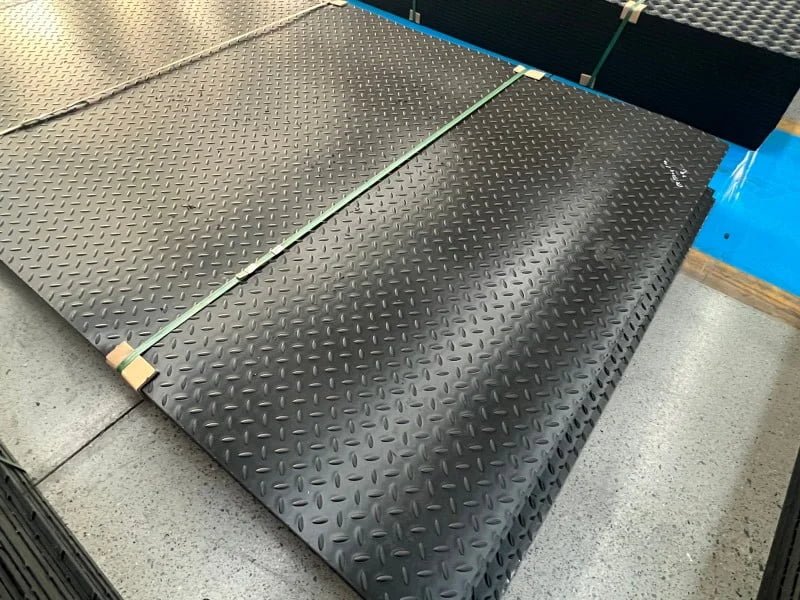
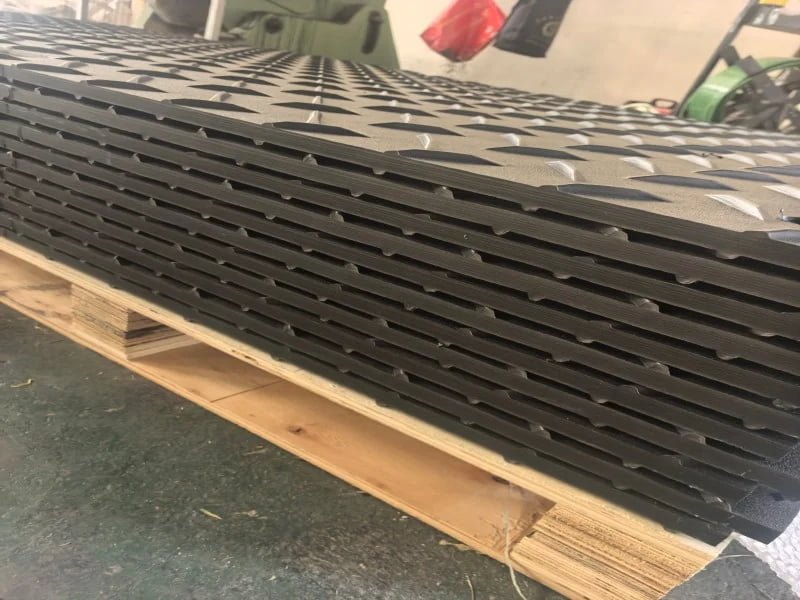
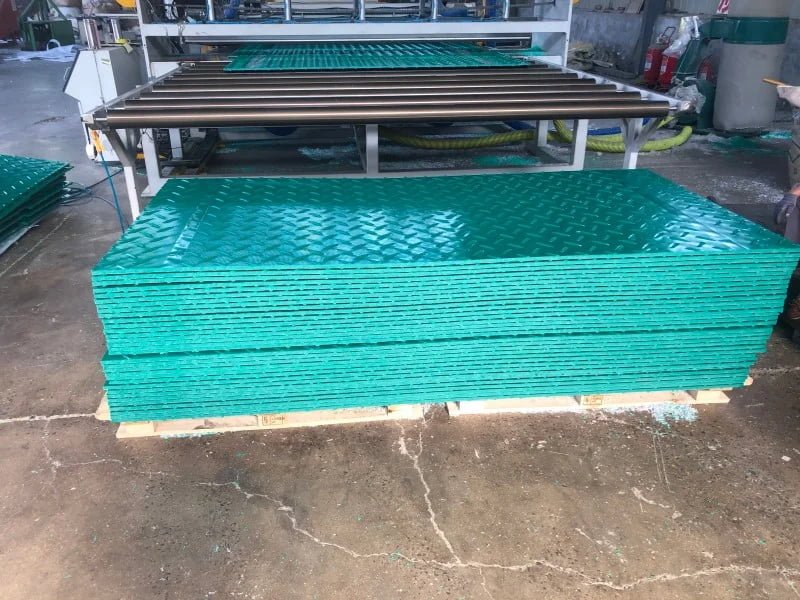
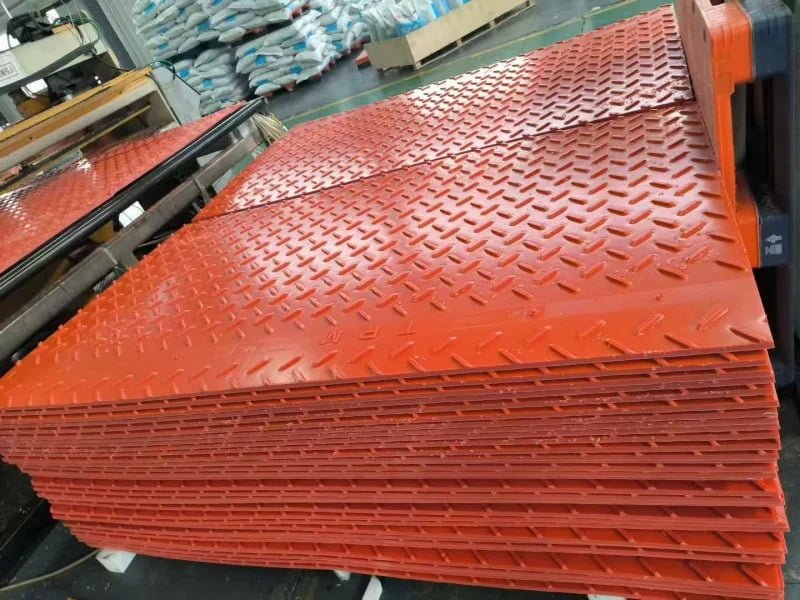
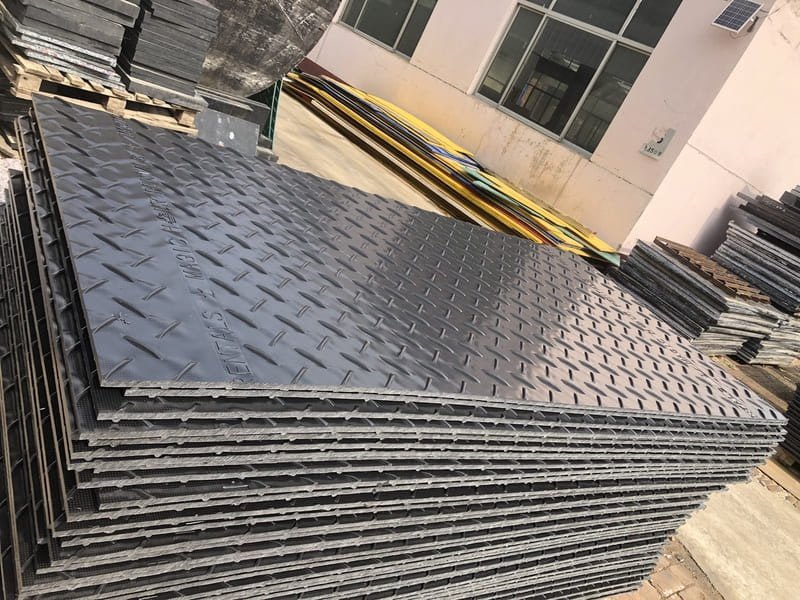
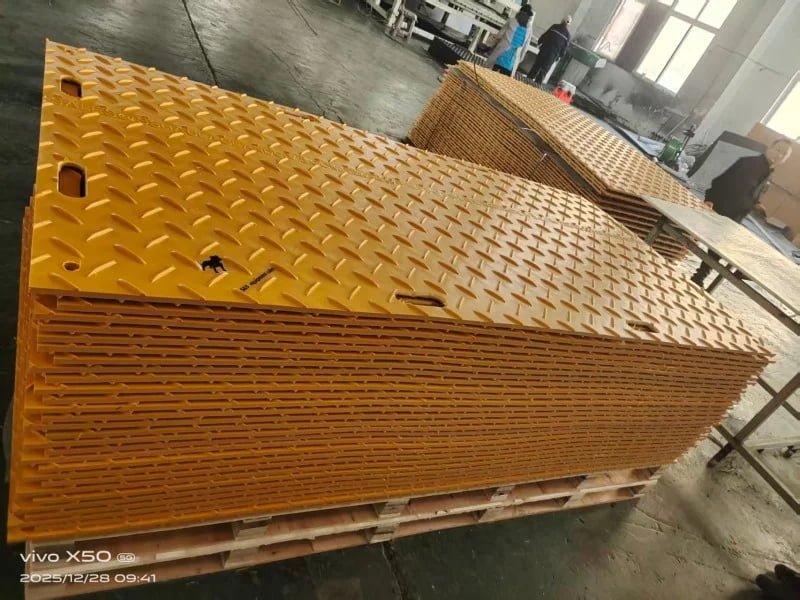
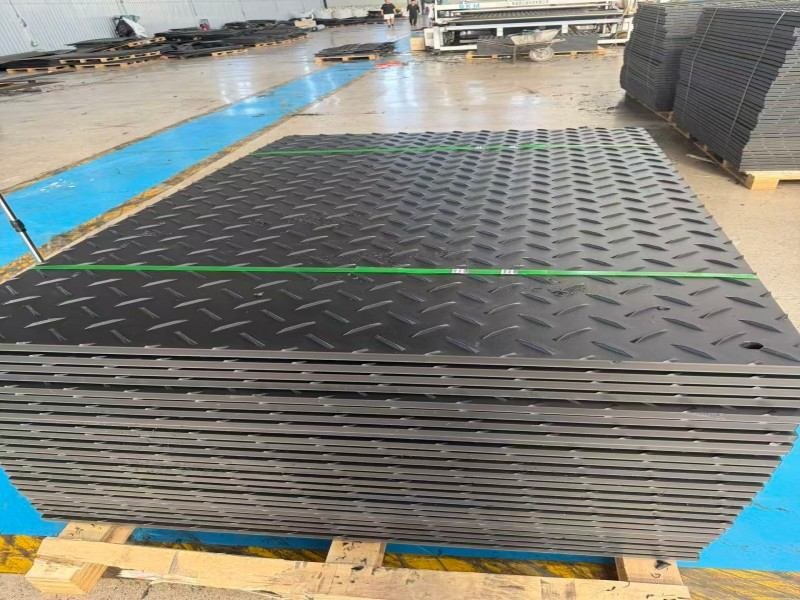
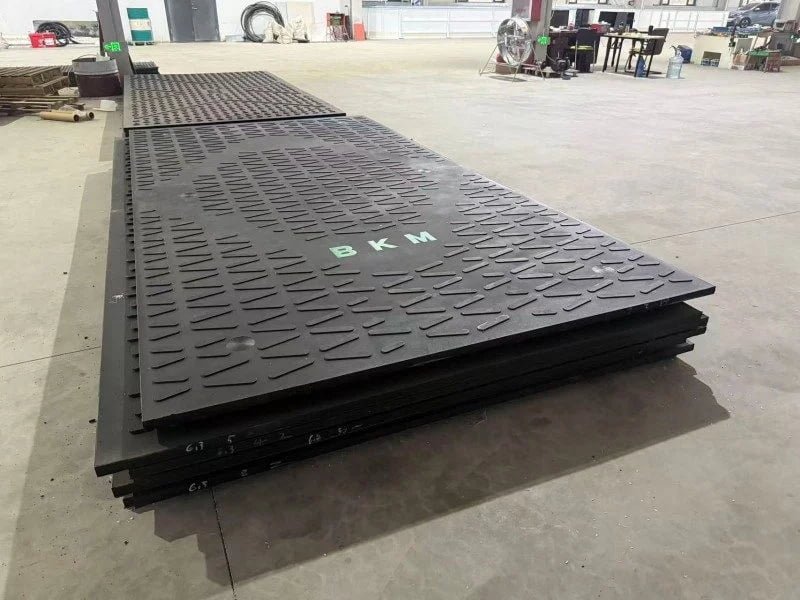
Choose portable stock for the assessed duty. Compact and 4×8 HDPE formats provide different panel weights and coverage. We review the actual vehicle and ground before selecting a set for a maintenance visit or temporary project.
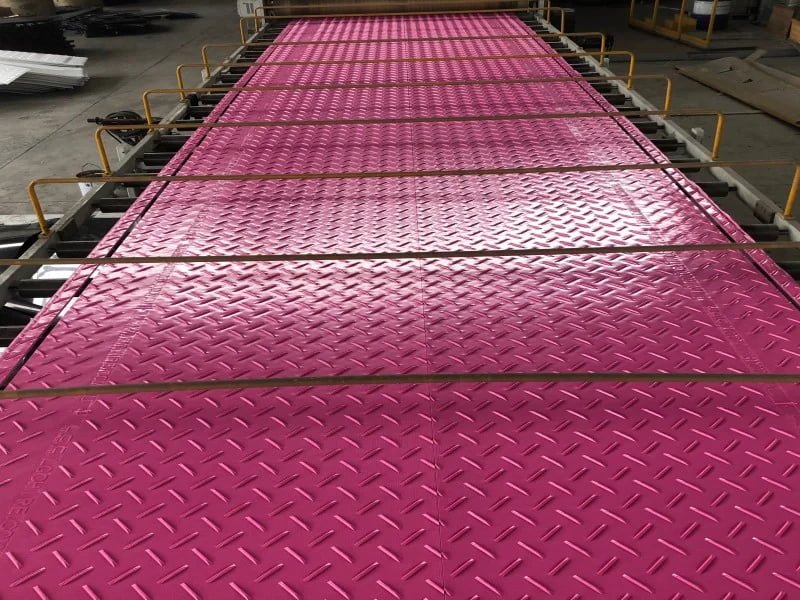
Use water-resistant material. The HDPE body resists moisture and avoids timber rot during wet-site use. The panels remain recoverable components that can be cleaned and checked before another deployment.
Plan joins for repeated visits. Agree matching connectors with the selected panel holes. Maintaining a compatible set helps crews rebuild the specified layout when access is required again.
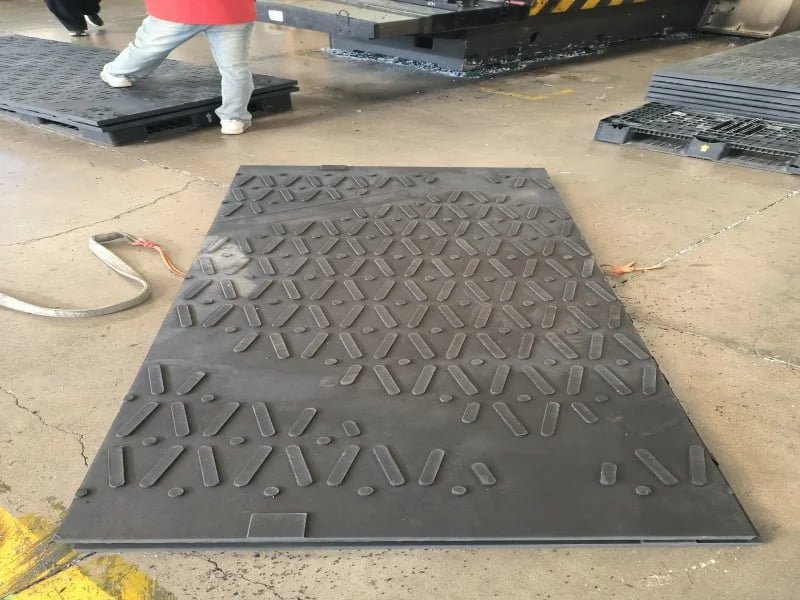
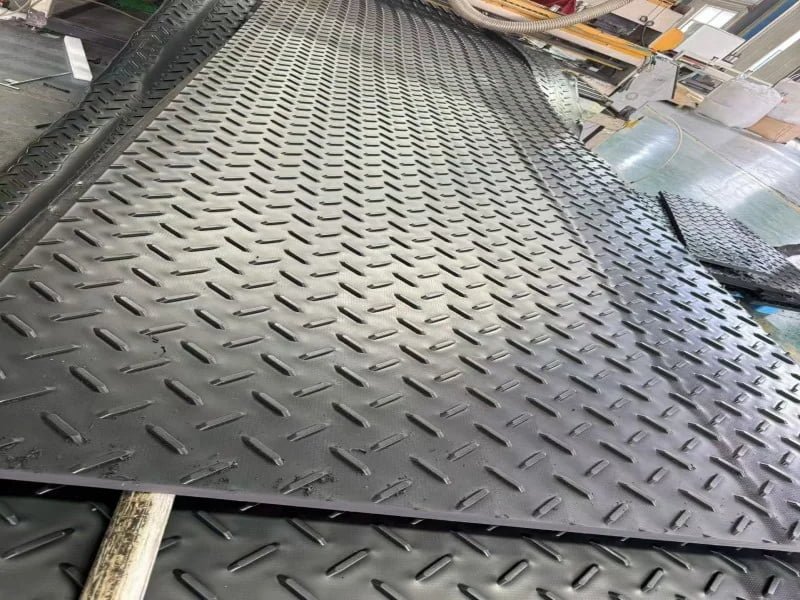
Make cleaning part of recovery. A reusable solid panel can be inspected on both faces, along its edges and around its holes. Plan a cleaning and receiving process for returned mats before allocating them to another site.
Separate surface protection from ground capacity. The mat footprint helps spread contact loads, while the supporting soil remains part of the access assessment. We request the ground condition rather than selling a blanket no-sinking promise.
Applications
Scheduled utility inspections. Provide a temporary route for assessed service vehicles approaching utility assets on sensitive ground. Match the set to the visit rather than defaulting to a heavy construction road.
Short maintenance access sections. Cover the selected approach while the maintenance activity requires it, then recover the panels when the route is released. Include removal access in the original layout.
Access along supported wet margins. Use an agreed panel arrangement where the ground assessment supports the intended traffic. Identify standing water, drainage features and abrupt ground changes separately.
Repeated visits to managed sites. Maintain a documented HDPE set for projects with recurring access needs. Reassess the route after changes in ground condition and inspect returned stock between visits.
Portable HDPE options for a site-specific access review. These are not the heavy solid or hollow-core systems used for separately assessed heavy plant routes.
| Specification |
Compact access reference |
Larger access reference |
| Material |
HDPE |
HDPE |
| Length × width |
1000 × 2000 mm |
1220 × 2440 mm |
| Body thickness |
10 mm |
12.7 mm |
| Overall textured thickness |
20 mm |
22.7 mm |
| Reference panel weight |
22 kg |
41 kg |
| Nominal panel area |
2.00 m² |
2.98 m² |
| Surface arrangement |
Texture on both faces |
Texture on both faces |
| Connections |
Agree holes and matching links |
Agree holes and matching links |
Provide vehicle details, ground support information, water conditions and the intended access duration. Panel material alone cannot determine wetland suitability.